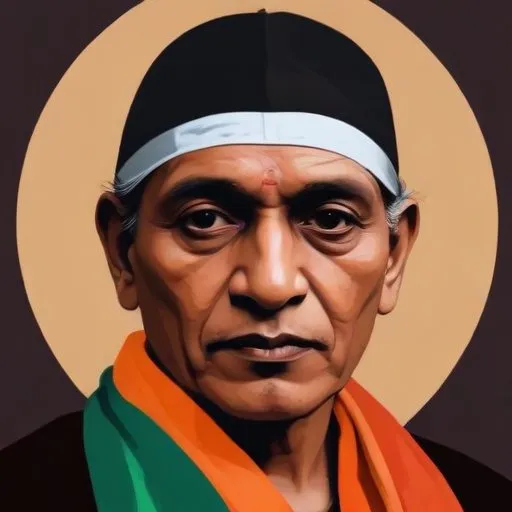
Pandurang Shastri Athavale

Pandurang Shastri Athavale

Pandurang Shastri Athavale was born on October 19th, 1920

Full Name: Pandurang Shastri Athavale
Profession: Activist, Philosopher, Spiritual Leader
Nationality: Indian
Philosophy: Swadhyaya
Notable Works: Bhakti and Mukti
Awards: Ramon Magsaysay Award
Honors: Padma Bhushan
Spiritual Movement: Swadhyaya Movement

A spiritual leader and philosopher who founded the Swadhyaya movement, a grassroots initiative focused on self-study and community development, inspiring millions of Indians to work towards social and economic change.

Timeline
1920
Born in Maharashtra
Pandurang Shastri Athavale was born on October 19, 1920, in Maharashtra, India. He was an Indian activist, philosopher, and spiritual leader.
1940
Founded Swadhyaya Movement
Athavale founded the Swadhyaya Movement, a grassroots movement aimed at promoting social and economic development.
1950
Developed spiritual philosophy
He developed a spiritual philosophy that emphasized individual transformation and social service.
1960
Published writings
Athavale published numerous writings on spirituality, philosophy, and social development.
2003
Passed away
Pandurang Shastri Athavale passed away on October 25, 2003, leaving behind a legacy as a prominent Indian spiritual leader.
Pandurang Shastri Athavale

Pandurang Shastri Athavale Quiz

Pandurang Shastri Athavale is best known for founding which movement?

Score: 0/5
FAQ
What were Pandurang Shastri Athavales philosophical contributions?
Pandurang Shastri Athavale was an Indian activist, philosopher, and spiritual leader who developed the philosophy of Swadhyaya, emphasizing the importance of self-study, spiritual growth, and social service.
How did Pandurang Shastri Athavales work impact Indian society?
Athavales work had a profound impact on Indian society, inspiring a movement of social reform and community development based on the principles of Swadhyaya.
What was Pandurang Shastri Athavales role in the development of Indian philosophy?
Athavales philosophy of Swadhyaya contributed to the development of Indian philosophy, offering a unique synthesis of traditional Indian thought and modern social concerns.
What awards did Pandurang Shastri Athavale receive for his work?
Athavale received numerous awards for his contributions to Indian philosophy and social service, including the Ramon Magsaysay Award and the Padma Bhushan.
How is Pandurang Shastri Athavales legacy in Indian philosophy?
Pandurang Shastri Athavales legacy in Indian philosophy is profound, with his work continuing to inspire and influence Indian thought and social action.

Related People:

Vinoba Bhave

Born in 1895

An Indian philosopher and Gandhian who advocated for non-violent revolution and land reform, known for his Bhoodan Movement, which aimed to redistribute land from wealthy landowners to poor farmers.

Mahatma Gandhi

Born in 1869

Indian freedom fighter, activist, and philosopher who led India to independence from British rule through non-violent civil disobedience, inspiring civil rights movements worldwide.

Jawaharlal Nehru

Born in 1889

India's first Prime Minister, a key figure in the country's struggle for independence from British rule, and a champion of democracy and secularism. He played a crucial role in shaping modern India's government and economy.

Sarvepalli Radhakrishnan

Born in 1888

An Indian philosopher and politician who served as the 2nd President of India, known for his influential writings on Indian philosophy and his role in shaping India's education system.

Morarji Desai

Born in 1896

Fourth Prime Minister of India, known for his efforts to decentralize power and promote economic development, and for being the first Indian Prime Minister to resign from office.

Jayaprakash Narayan

Born in 1902

A key figure in India's freedom movement and a champion of social justice, known for leading mass movements against corruption and advocating for democratic reforms.

Eknath Easwaran

Born in 1910

A spiritual teacher and author who developed a method of meditation and wrote extensively on spirituality, introducing Eastern wisdom to Western audiences.