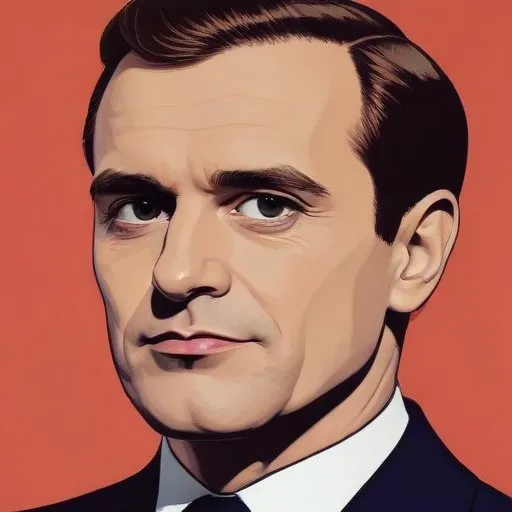
Paul Deschanel

Paul Deschanel

Paul Deschanel was born on February 13th, 1855

Full Name: Paul Eugène Louis Deschanel
Place of Birth: Brugge, Belgium
Zodiac Sign: Libra
Profession: Politician
Office: President of France, 1920
Party: Radical Party
Education: University of Paris
Notable Works: La Décentralisation

The 11th President of France, a politician who served briefly in 1920, is most known for his eccentric behavior and sudden departure from office after falling out of a train. He's a footnote in French history.

Timeline
1855
Birth in Brussels, Belgium
Paul Deschanel was born in Brussels, Belgium, to a French-Belgian family.
1876
Graduated from University of Paris
Deschanel graduated from the University of Paris, where he studied law and politics.
1885
Elected to French National Assembly
Deschanel was elected to the French National Assembly, where he served for over 30 years.
1920
Elected as President of France
Deschanel was elected as the 11th President of France, serving from 1920 to 1920.
1922
Died in Paris, France
Deschanel died on April 28, 1922, in Paris, France, leaving behind a legacy as a prominent politician.
Paul Deschanel

Paul Deschanel Quiz

What was Paul Deschanel known for during his presidency?

Score: 0/5
FAQ
What was Paul Deschanels role in French politics?
Paul Deschanel was a prominent French politician and President of France from 1920 to 1921, playing a key role in shaping the countrys post-World War I reconstruction effort.
What were Paul Deschanels notable achievements as President of France?
Paul Deschanel achieved several notable successes as President of France, including the stabilization of the French currency and the implementation of important constitutional reforms.
What was Paul Deschanels relationship with Georges Clemenceau?
Paul Deschanel was a close friend and ally of Georges Clemenceau, working together to rebuild France after World War I and promote European cooperation.
What was Paul Deschanels stance on the League of Nations?
Paul Deschanel was a strong supporter of the League of Nations, advocating for international cooperation and collective security to prevent future wars.
How did Paul Deschanels presidency shape French history?
Paul Deschanels presidency had a lasting impact on French history, marking a turning point in the countrys transition from war to peace and setting the stage for Frances role in European politics.

Related People:

Raymond Poincaré

Born in 1860

A French statesman who served as President of France during a tumultuous period, playing a crucial role in shaping the country's response to World War I. He's also known for his efforts to reform the French economy and stabilize the franc.

Georges Clemenceau

Born in 1841

A French journalist, physician, and politician who served as Prime Minister of France during World War I, leading the country to victory and playing a key role in shaping the Treaty of Versailles. He's also known for his strong leadership and witty humor.

Aristide Briand

Born in 1862

A French statesman who served as Prime Minister of France and was awarded the Nobel Peace Prize for his efforts to establish the European unity and collective security. He played a key role in shaping the League of Nations and promoting international cooperation.

Léon Blum

Born in 1872

A French lawyer and politician who served as Prime Minister of France, known for his leadership during the Popular Front government and his role in shaping the country's social and economic policies.

Born in 1872

A French lawyer and politician who served as Prime Minister of France, known for his efforts to rebuild the country after World War I and his advocacy for European unity.

Gaston Doumergue

Born in 1858

The 13th President of France, a lawyer-turned-politician who played a significant role in shaping the country's government and economy during the early 20th century. He's most known for his efforts to reform the French constitution and strengthen the office of the presidency.

Alexandre Millerand

Born in 1859

A French lawyer and politician who served as the 12th President of France, known for his role in shaping the country's early 20th-century politics and labor laws. He was a key figure in the country's transition from a monarchy to a republic.