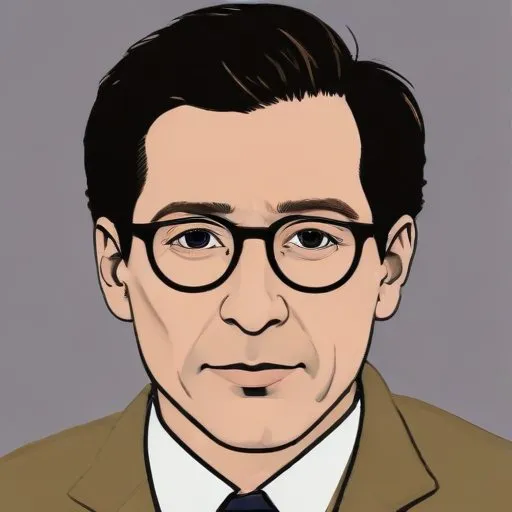
Paul Kuusberg: The Pioneering Estonian Writer and Journalist
A Champion of Estonian Literature and Identity
Paul Kuusberg, a renowned Estonian writer and journalist, is best known for his thought-provoking novellas, which often delved into the complexities of Soviet society and the human experience. His literary contributions, including the award-winning "Roostetanud kastekann" (1971) and "Vras vi ige mees" (1978), have left an indelible mark on Estonian literature.
Early Life and Career
Born on April 30, 1916, in Reval, Estonia, Kuusberg's life was shaped by the tumultuous events of the 20th century. During Estonia's period of independence, he worked as a construction worker, but his life took a dramatic turn with the 1940 Soviet occupation of Estonia. Kuusberg joined the Communist Party and participated in the German-Soviet War, serving in a Soviet Destruction battalion and later in the Red Army's 8th Estonian Rifle Corps.
Literary Career and Ideology
After the war, Kuusberg's writing career flourished, with his early works, such as "The Walls" (1957), adhering to the principles of socialist realism. However, he soon adopted a more multifaceted approach, exploring themes that challenged the dogmatic ideology of the Soviet regime. His novellas often critiqued careerism in Soviet society, as seen in "The Case of Andres Lapateus," and the fate of Estonian soldiers mobilized to the Red Army, as depicted in "Enn Kalmu kaks mina" (1960-1961).
Protecting Estonian Literature and Identity
As a literary functionary, Kuusberg walked a delicate tightrope, balancing his communist ideology with his desire to protect Estonian literature and literati from ideological suppression. He played a crucial role in promoting Estonian literature, serving as the editor-in-chief of the esteemed literary magazine "Looming" and later as the secretary of the board of the Writers Union of the Estonian SSR (1976-1983).
Legacy and Impact
Kuusberg's literary contributions have had a profound impact on Estonian culture and identity. His works have been adapted into films, ensuring his messages and themes continue to resonate with contemporary audiences. As a champion of Estonian literature, Kuusberg's legacy serves as a testament to the power of art in promoting national identity and preserving cultural heritage.
Personal Milestones and Key Life Events
- Graduated from the Higher Party School in Moscow
- Served as a politruk and journalist during World War II
- Worked as the editor-in-chief of "Looming" and secretary of the board of the Writers Union of the Estonian SSR
Quotes and Memorable Sayings
"The writer's duty is to reveal the truth, not to conceal it."
Historical Context and Legacy
Paul Kuusberg's life and work serve as a testament to the complexities of the Soviet era and the enduring power of literature to challenge and inspire. His contributions to Estonian literature have ensured his place as one of the most significant figures in the country's cultural heritage.
FAQ
What was Paul Kuusbergs contribution to Estonian journalism?
Paul Kuusberg was a prominent Estonian journalist and author, known for his work as a correspondent for various Estonian newspapers and his coverage of significant events in Estonian history.
How did Paul Kuusbergs writing reflect Estonian culture?
Paul Kuusbergs writing often explored themes related to Estonian culture, history, and identity, providing insight into the countrys experiences during World War II and the Soviet occupation.
What awards did Paul Kuusberg receive for his writing?
Paul Kuusberg received several awards for his writing, including the Estonian National Prize for Literature.
What was Paul Kuusbergs role in promoting Estonian literature?
Paul Kuusberg played a significant role in promoting Estonian literature, not only through his own writing but also through his work as a translator and editor.
How did Paul Kuusbergs writing style evolve over his career?
Paul Kuusbergs writing style evolved significantly over his career, from his early work as a journalist to his later literary endeavors, which explored more nuanced and complex themes