


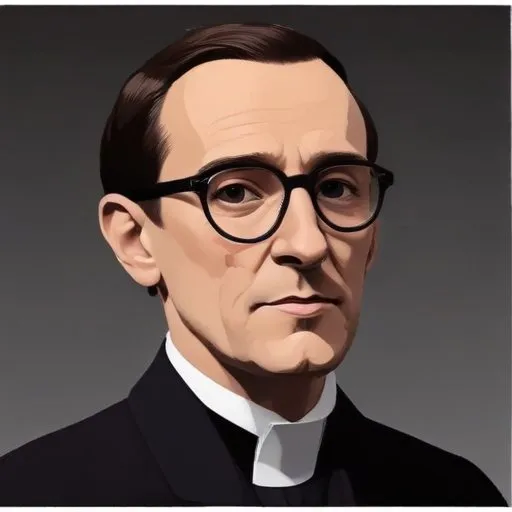
A renowned French lexicographer and publisher, he compiled and published numerous dictionaries, including the iconic "Le Petit Robert" dictionary, which remains a staple in French language reference.
Renowned for his magnum opus, the Dictionnaire alphabétique et analogique de la langue française, Paul Robert is the architect of the most authoritative French language dictionary, affectionately known as "Le Robert." This monumental work, published in 1953, has been the benchmark for linguistic excellence, earning Robert a place among the most esteemed lexicographers of the 20th century.
Born on October 19, 1910, in Orléansville, French Algeria, Robert's fascination with language and linguistics began at an early age. His passion for words and meanings led him to pursue a career in lexicography, eventually founding the dictionary company, Dictionnaires Le Robert.
Robert's life's work, Le Robert, is a testament to his dedication and perseverance. This comprehensive dictionary is the culmination of years of research, meticulous editing, and an unwavering commitment to accuracy. The dictionary's innovative approach, which explores the nuances of the French language through analogical and alphabetical listings, has made it an indispensable resource for linguists, scholars, and language enthusiasts alike.
Paul Robert's contributions to the field of lexicography have been recognized with numerous accolades. His work on Le Robert earned him the prestigious Prix Voltaire in 1954, and he was later awarded the Médaille de l'Académie française in 1967.
In 1967, Robert published an abridged version of Le Robert, aptly titled the Petit Robert. This condensed edition not only made the dictionary more accessible to a broader audience but also solidified Robert's position as a pioneer in French language reference works.
Robert's work was guided by a profound respect for the French language and a deep understanding of its complexities. He believed that language was the cornerstone of culture and that a dictionary should be more than just a collection of words – it should be a reflection of the human experience.
Throughout his life, Robert remained committed to his craft, leaving an indelible mark on the world of lexicography. He passed away on August 11, 1980, in Mougins, Alpes-Maritimes, France, but his legacy continues to inspire generations of linguists, language learners, and word enthusiasts.
Le Robert has had a profound impact on modern society, shaping the way we understand and interact with the French language. The dictionary has become an integral part of French cultural heritage, influencing literature, education, and communication.
Paul Robert's groundbreaking work has left an enduring legacy in the world of lexicography. His dictionary has become a symbol of excellence, inspiring future generations of linguists and language enthusiasts. As a testament to his influence, Le Robert remains an indispensable resource, continuing to shape our understanding of the French language and culture.
Born in 1801
A French lexicographer and philosopher who compiled a monumental dictionary of the French language, setting a new standard for linguistic scholarship. He's also known for his philosophical writings on positivism.
Born in 1905
Existentialist philosopher and playwright who argued that humans have complete freedom to choose their actions and create their own meaning in life, influencing modern thought on morality and individual responsibility.
Born in 1908
A pioneering feminist philosopher who wrote extensively on ethics, politics, and gender, famously arguing that "one is not born, but rather becomes, a woman."
Born in 1913
A French novelist, philosopher, and journalist who wrote influential works like "The Stranger" and "The Plague", exploring absurdism and the human condition.
97 Years Old
A prominent leader in the civil rights movement, advocating for racial equality and social justice through nonviolent means, leaving a lasting impact on American history.
Born in 1918
A South African lawyer and politician who fought against apartheid, becoming the country's first black president and a symbol of racial reconciliation, earning a Nobel Peace Prize. He's a beacon of hope and freedom.
29 Years Old
A courageous advocate for girls' education, particularly in her native Swat Valley, who survived a Taliban assassination attempt and continues to inspire global change through her activism and writing.
82 Years Old
A prominent civil rights activist, academic, and author who has been a vocal advocate for racial and gender equality, and an icon of black feminism. Known for her work on prison reform and her involvement in the Black Panther Party.
