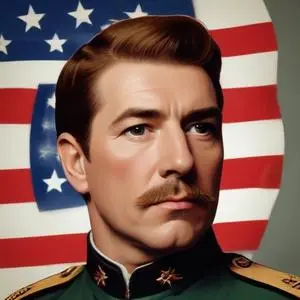
Philip Sheridan: The Unyielding Cavalryman
A Union General and Champion of the American West
Philip Sheridan is remembered as one of the most tenacious and victorious Union generals of the American Civil War, earning a reputation for his daring cavalry tactics and instrumental role in shaping the post-war American West.
Born on March 6, 1831, in Albany, New York, Sheridan would go on to leave an indelible mark on American history, from the battlefields of the Civil War to the open ranges of the Great Plains.
Rise to Prominence and the Shenandoah Valley Campaign
Sheridan's military career took off during the Civil War, where he quickly rose through the ranks, earning the respect of his superiors and the fear of his enemies. His most notable achievement came in 1864, when he was transferred to lead the Cavalry Corps of the Army of the Potomac, tasked with defeating Confederate forces under General
Jubal Early in the Shenandoah Valley. His campaign, dubbed "The Burning," was a masterclass in scorched-earth tactics, leaving the Confederate forces in tatters.
This innovative approach to warfare not only secured a crucial victory for the Union but also showcased Sheridan's unyielding commitment to achieving his objectives, no matter the cost.
The Pursuit of Robert E. Lee and the Fall of the Confederacy
In 1865, Sheridan's cavalry played a pivotal role in pursuing General
Robert E. Lee's Army of Northern Virginia, ultimately forcing Lee's surrender at Appomattox Courthouse. This decisive victory marked the beginning of the end of the Confederacy, cementing Sheridan's status as a national hero.
Conquering the American West
Following the Civil War, Sheridan turned his attention to the American West, where he played a crucial role in the Indian Wars and the development of Yellowstone National Park. His unwavering dedication to the region's exploration and protection earned him the respect of Native American tribes and settlers alike.
Awards and Honors
Sheridan's illustrious career was recognized with numerous awards and honors, including:
- Promotion to General of the Army in 1888
- Appointment as General-in-Chief of the U.S. Army in 1883
- Veterans' Campaign Medal
Personal Life and Legacy
Despite his small stature, Sheridan left a giant footprint on American history. His personal life was marked by humility and kindness, earning him the nickname "Little Phil." His legacy extends far beyond his military accomplishments, inspiring generations of Americans to explore, settle, and protect the vast wilderness of the American West.
Sheridan's story serves as a testament to the power of unwavering determination, innovative thinking, and a deep commitment to the greater good.
Quotes and Memorable Sayings
- "The truth is, I am an awful sucker to take the worst of it in a fight."
- "If I were an Englishman, I should esteem the man who gave the national enemy a deadly blow."
Historical Context and Legacy
Philip Sheridan's remarkable life and career serve as a microcosm of the tumultuous era in which he lived. His unwavering commitment to the Union, his innovative military tactics, and his dedication to the American West have left an indelible mark on American history, inspiring generations of leaders, soldiers, and explorers.
Sheridan's legacy extends far beyond his own lifetime, as he continues to inspire Americans to push beyond the boundaries of what is thought possible.
FAQ
What are Philip Sheridans most notable military achievements?
Philip Sheridan is known for his decisive victories in the Shenandoah Valley during the American Civil War, including the Battle of Cedar Creek and the Appomattox Campaign. He also played a key role in the Indian Wars, defeating the Cheyenne and Sioux tribes in the Great Plains.
How did Philip Sheridan rise to prominence in the Union Army?
Sheridans rise to prominence began with his leadership during the Siege of Vicksburg, where he demonstrated bravery and tactical skill. He was later appointed as a major general and went on to lead the Cavalry Corps of the Army of the Potomac, earning recognition for his victory at the Battle of Yellow Tavern.
What was Philip Sheridans role in the Indian Wars?
Sheridan was a prominent figure in the Indian Wars, leading military campaigns against the Cheyenne and Sioux tribes in the Great Plains. His victories, although often brutal, helped to expand American territory and secure land for white settlers.
How did Philip Sheridans military career impact the American West?
Sheridans military campaigns in the West led to the forced relocation of Native American tribes and the expansion of American territory. His actions also contributed to the development of the railroad and the growth of the cattle industry in the region.
What is Philip Sheridans legacy in American history?
Philip Sheridan is remembered as a skilled and ruthless military leader who played a significant role in shaping the American West. His legacy is complex, with both praise for his military achievements and criticism for his treatment of Native Americans.