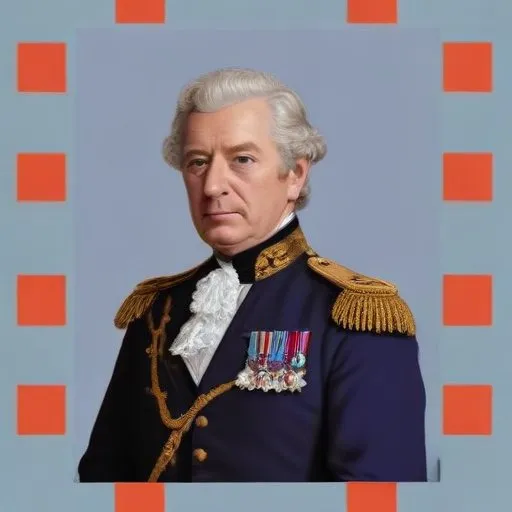
Philip Stanhope, 4th Earl of Chesterfield: The Epitome of Wit and Diplomacy
A Man of Letters and Statesman
Philip Stanhope, 4th Earl of Chesterfield, was a British statesman, diplomat, and man of letters renowned for his exceptional wit, eloquence, and diplomatic prowess. He is remembered for his influential writings, particularly his letters to his son, which Offered guidance on etiquette, morality, and politics, thereby earning him the reputation as one of the most prominent figures of his time.
Early Life and Education
Born on 22 September 1694 in London, Stanhope was the son of Philip Stanhope, 3rd Earl of Chesterfield, and Lady Elizabeth Savile. Following the death of his mother in 1708, he was largely raised by his grandmother, the Marchioness of Halifax. Stanhope's educational pursuits took him to Trinity Hall, Cambridge, where he developed a strong foundation in languages and oration. However, he left Cambridge after just over a year, opting instead to embark on the Grand Tour, a traditional rite of passage for young noblemen of his stature.
The Grand Tour and Early Political Career
The Grand Tour, which spanned several years, afforded Stanhope the opportunity to immerse himself in the cultural legacies of Classical antiquity and the Renaissance. He traveled extensively throughout Continental Europe, becoming acquainted with his aristocratic counterparts and the polite society of the time. The death of Queen Anne and the accession of King George I in 1714 opened up new avenues for Stanhope's political career. Through the mentorship of his relative, James Stanhope, later 1st Earl Stanhope, the King's favorite minister, Stanhope was appointed Lord of the Bedchamber to the Prince of Wales.
Political Career and Notable Achievements
In 1715, Stanhope entered the House of Commons as Lord Stanhope of Shelford and as member for St Germans. His maiden speech, delivered on 5 August 1715, was a testament to his exceptional rhetorical skills, although it was cut short due to his being underage at the time. Throughout his political career, Stanhope held various positions, including that of Ambassador to Spain and Secretary of State. He played a significant role in shaping British foreign policy, particularly during the War of the Austrian Succession.
Literary Contributions and Legacy
Stanhope's literary contributions are a testament to his wit, wisdom, and erudition. His letters to his son, written between 1737 and 1768, offer valuable insights into the social, political, and cultural landscape of 18th-century Britain. These letters, which were widely circulated and admired during his lifetime, have been recognized as a masterpiece of epistolary writing. Stanhope's other notable works include his translation of theSpanish playwright,
Pedro Calderón de la Barca's,
La Vida es Sueño, and his own plays, such as
The Petite Maison.
Personal Life and Relationships
Stanhope's personal life was marked by several significant relationships, including his marriage to Melusina von der Schulenburg, a German countess. The couple had one son, Philip Stanhope, who would go on to become the 5th Earl of Chesterfield. Stanhope was also known for his numerous literary and intellectual friendships, including those with Alexander Pope and Voltaire.
Philosophical Contributions and Beliefs
Stanhope's philosophical outlook was shaped by his exposure to the ideas of the Enlightenment. He was an advocate for reason, tolerance, and the promotion of education and culture. His writings reflect his commitment to the values of the Whig party, which he supported throughout his political career.
Legacy and Historical Context
Philip Stanhope, 4th Earl of Chesterfield, left an indelible mark on British history and literature. His writings, diplomatic career, and commitment to the values of the Enlightenment have ensured his place among the pantheon of great British statesmen and men of letters. As a testament to his enduring legacy, his name continues to be associated with excellence in literature, diplomacy, and etiquette.
Quotes and Memorable Sayings
- "Whatever is worth doing at all, is worth doing well."
- "The mode of the world is, to endeavour to reconcile vanity to virtue."
- "The only thing that makes life endurable in this world is human love."
Timeline of Major Works and Events
- 1694: Born on 22 September in London
- 1708: Mother's death and subsequent upbringing by grandmother
- 1714: Grand Tour of Continental Europe
- 1715: Enters House of Commons as Lord Stanhope of Shelford and member for St Germans
- 1737-1768: Writes letters to his son
- 1745: Appointed Ambassador to Spain
- 1746: Becomes Secretary of State
- 1773: Dies on 24 March
Philip Stanhope, 4th Earl of Chesterfield, remains one of the most fascinating figures of 18th-century Britain, celebrated for his many accomplishments and remembered for his wit, wisdom, and literary prowess.