


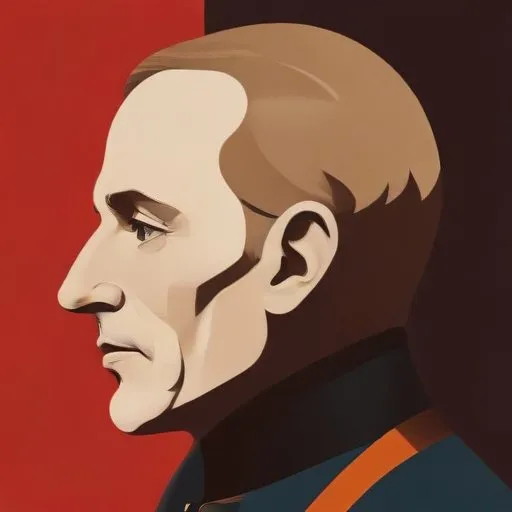
Philipp Moritz, Count of Hanau-Münzenberg, is best known for his tumultuous reign and struggles with his mother, Princess Catharina Belgica, over the regency of Hanau-Münzenberg. Born on August 25, 1605, Philipp Moritz succeeded his father as Count of Hanau-Münzenberg in 1612, at the tender age of seven, and went on to navigate a complex web of family dynamics and power struggles.
Philipp Moritz was the son of Count Philipp Ludwig II of Hanau-Münzenberg and Princess Catharina Belgica, a daughter of William the Silent. Following his father's death, Philipp Moritz's mother, Princess Catharina Belgica, was appointed as the sole regent and guardian, a decision confirmed by the Imperial Supreme Court.
At the age of eight, Philipp Moritz was sent to the school established in the former monastery at Schlüchtern, where he received a solid education. He continued his studies at the University of Basel, Geneva, and Sedan, following in the footsteps of his grandfather.
Philipp Moritz's rule began with a bitter altercation with his mother over the termination of the regency and the size of her widow seat. Despite an agreement in 1628 and an opinion from the Law Faculty of the University of Marburg, Princess Catharina Belgica sought to act as coregent, even after Philipp Moritz's 25th birthday, the age of consent under common law.
The dispute between Philipp Moritz and his mother eventually reached the Imperial Supreme Court, with both parties treating each other rudely. Philipp Moritz even went so far as to remove his mother from the countly palace in Hanau. However, in 1629, he compensated her for this action, and while they never managed to properly wind up the regency, Philipp Moritz did settle a long-standing dispute with his cousin Johann Ernst over primogeniture and apanage.
The tumultuous nature of Philipp Moritz's reign was further complicated by the outbreak of the Thirty Years War. During this time, Philipp Moritz was forced into exile, a period marked by great hardship and struggle.
Philipp Moritz's reign was marked by conflict and struggle, both within his family and on the larger stage of European politics. Despite these challenges, he managed to navigate the complexities of his position and leave a lasting legacy in the region of Hanau-Münzenberg.
Born in 1504
A German nobleman who ruled Hesse from 1509 to 1567, known for being a champion of the Protestant Reformation and a key figure in the Schmalkaldic League.
Born in 1602
A 16th-century German nobleman who ruled Hesse-Kassel and played a significant role in the Protestant Reformation, known for his military campaigns and territorial expansions.
Born in 1602
A 16th-century German nobleman who ruled Hesse-Kassel and played a significant role in the Protestant Reformation, known for his military campaigns and territorial expansions.
Born in 1547
Ruler of Hesse-Darmstadt from 1567 to 1596, he played a key role in the Protestant Reformation and was a prominent figure in the German Renaissance.
