


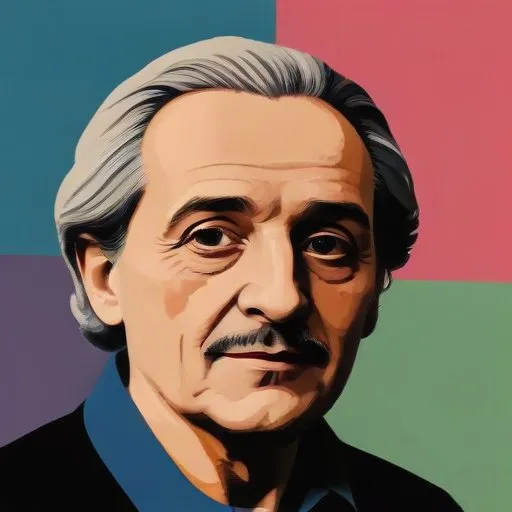
A prolific writer of librettos and poetry, he collaborated with famous composers like Bach, creating iconic works that showcased his lyrical mastery. His words brought harmony to music.
Christian Friedrich Henrici, better known by his pen name Picander, was a German poet and librettist who collaborated with the legendary composer Johann Sebastian Bach to create some of the most iconic cantatas of the Baroque era. His poetic genius and mastery of language gave voice to Bach's sublime music, resulting in works that continue to inspire and awe audiences to this day.
Born on January 14, 1700, in Stolpen, Germany, Henrici studied law at the University of Wittenberg and later at the University of Leipzig. Despite his formal education, he developed a passion for writing and poetry, which he pursued alongside his tutoring and civil service career.
In 1723, Johann Sebastian Bach arrived in Leipzig, and it is believed that Henrici and Bach began working together around 1725. Although the authors of Bach's early cantatas in Leipzig remain anonymous, it is clear that Henrici's poetry caught Bach's attention, and their collaboration resulted in some of the most celebrated works of the era.
Henrici's poetry was instrumental in shaping the narrative and emotional depth of Bach's cantatas. Some of their most notable collaborations include:
Henrici's poetry was not limited to his collaborations with Bach. He published several volumes of poetry, including:
Picander's contributions to the world of music and literature are immeasurable. His poetry provided the emotional depth and narrative drive that elevated Bach's music to unparalleled heights. Together, they created works that continue to inspire composers, poets, and musicians to this day.
As a testament to his legacy, Picander's poetry remains an integral part of the classical music canon, and his collaboration with Bach continues to influence generations of artists and musicians.
Although Picander's personal quotes and sayings are scarce, his poetry speaks volumes about his artistic vision and dedication to his craft.
Through his work, Picander reminds us that the intersection of music and poetry can result in something truly transcendent – a testament to the power of collaboration and creative expression.
Born in 1685
A master of Baroque music, he composed over 1,000 works, including orchestral suites, cantatas, and passions, that still inspire and influence musicians today. His innovative use of counterpoint and harmony raised the bar for classical music.
Born in 1685
A renowned Baroque composer and organist, famous for creating majestic orchestral suites, operas, and oratorios, including the iconic "Messiah" masterpiece.
Born in 1660
A renowned Baroque-era organist and composer, known for his innovative and expressive works that bridged the gap between the Renaissance and Baroque styles. His compositions showcased exceptional mastery of counterpoint and harmony.
Born in 1759
A renowned poet and playwright who crafted influential works that explored the human condition, morality, and the struggle for freedom, leaving a lasting impact on German literature.
Born in 1749
A German literary giant who penned iconic works like "Faust" and "The Sorrows of Young Werther", shaping the Romantic movement and influencing countless writers.
Born in 1729
A prominent Enlightenment thinker, he's known for his influential writings on philosophy, literature, and theology, which helped shape modern German culture. He's also credited with developing the concept of dramatic irony in literature.
