


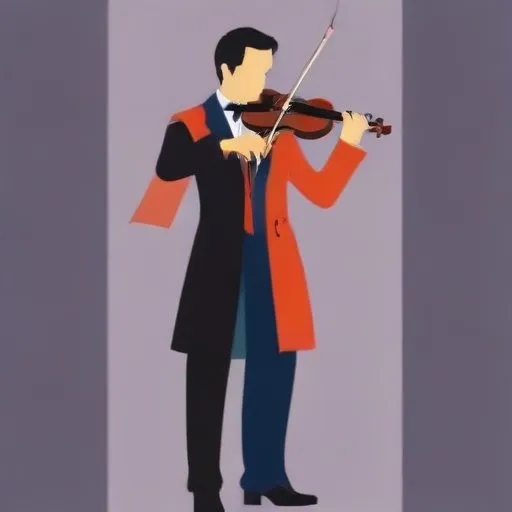
A virtuosic violinist and composer, he was a prominent figure in the development of the French violin school, leaving a lasting impact on the classical music scene.
Pierre Baillot, a renowned French violinist and composer, is celebrated for his profound influence on the technical and musical development of the violin in the early 19th century. His esteemed teaching methods, as outlined in his instructional book L'Art du violon, continue to inspire generations of musicians.
Baillot was born on October 1, 1771, in Passy, near Paris. At the tender age of nine, he began his musical journey under the guidance of Italian instructor Polidori. His talent was soon recognized, and he was placed under the tutelage of French teacher Sainte-Marie, who instilled in him the severe style and methodical qualities that would later distinguish his playing.
At the age of ten, Baillot was deeply inspired by a performance of Giovanni Battista Viotti, who would later become his mentor. After his father's passing, Baillot was sent to Rome, where he continued his studies with Pollani, a pupil of Nardini. It was during this period that he made rapid progress and began performing in public.
Upon his return to Paris in 1791, Baillot's music career began to flourish. He collaborated with Pierre Rode and Rodolphe Kreutzer, both pupils of Viotti, to compile the celebrated Méthode du Violon. This work, published in the early 19th century, would become the official violin method of the Conservatoire de Paris.
Baillot's most notable work, L'Art du violon, was published in 1834. This comprehensive instructional book remains an essential resource for violinists, offering valuable insights into technique, phrasing, and expression.
Baillot's teaching methods and compositions had a profound impact on the development of violin music in the 19th century. His emphasis on technical precision, tone production, and expressive playing raised the standards of violin performance, inspiring a new generation of virtuosos.
As a performer, Baillot was known for his mastery of chamber music and his leadership of the Paris Opéra. His solo recitals and concerts showcased his exceptional skill and artistry, earning him a reputation as one of the finest violinists of his time.
Baillot's contributions to the world of music are immeasurable. His instructional works, performances, and teaching legacy have shaped the course of violin music, influencing countless composers, performers, and educators.
Today, Baillot's music and methods continue to inspire and challenge musicians, ensuring his place as one of the most significant figures in the history of violin music.
Remembering Pierre Baillot's remarkable life and achievements, we are reminded of the transformative power of music and the importance of preserving our cultural heritage for future generations.
Born in 1782
A virtuosic violinist and composer who revolutionized the instrument's technical possibilities, leaving an indelible mark on classical music.
Born in 1770
A musical genius who expanded the possibilities of classical music, creating iconic symphonies and piano sonatas that continue to inspire and influence generations of artists.
Born in 1797
A renowned composer of symphonies, operas, and chamber music, particularly famous for his emotional and expressive lieder (art songs) that showcased his mastery of melody and harmony.
Born in 1810
A renowned Romantic-era composer and influential music critic, known for his expressive and emotionally charged works, including symphonies, piano music, and art songs.
Born in 1809
A renowned 19th-century musician who masterfully blended classical and romantic styles, creating iconic works like the "Wedding March" and "Elijah" oratorio. His compositions continue to inspire and influence generations of artists.
Born in 1833
A renowned pianist and composer, he crafted complex, expressive works that blended traditional and innovative techniques, leaving an indelible mark on classical music.
Born in 1811
A virtuosic pianist and composer who revolutionized classical music with his technically demanding and emotionally expressive works, blending Hungarian folk influences with Romantic-era drama.
Born in 1813
A renowned composer of iconic operas like La Traviata and Aida, known for his masterful blending of drama and music. His works continue to captivate audiences worldwide.
