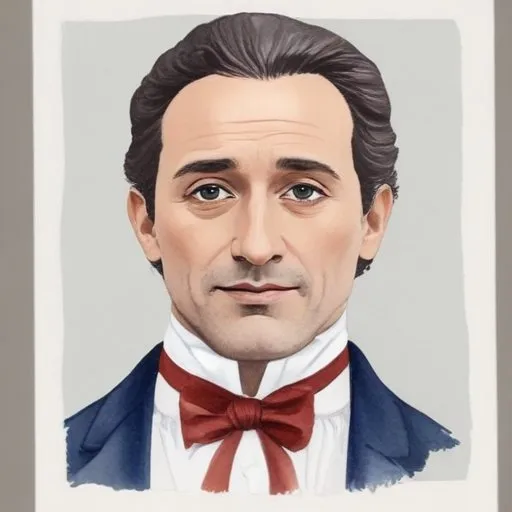
Pierre Jlyotte: The Revolutionary Tenor of 18th Century Opera
A Vocal Pioneer of His Time
Pierre Jlyotte, born Pierre Grichon, was a French operatic tenor renowned for his powerful and expressive voice, which captivated audiences in the 18th century. He is particularly celebrated for his iconic performances in operas by
Jean-Philippe Rameau,
François Colin de Blamont, and
André Cardinal Destouches, setting a new standard for singing in his era.
Rise to Fame
Jlyotte's journey to stardom began in 1733, when he made his debut as a singer at the Concert Spirituel in Paris. The same year, he took the stage at the Opéra de Paris, performing in Les fêtes grecques et romaines by François Colin de Blamont. This marked the start of a remarkable career, during which he created over 150 roles, including Hippolyte et Aricie, Les Indes galantes, Dardanus, and Zoroastre by Rameau.
Haute-Contre: A New Vocal Type
Jlyotte's voice, classified as haute-contre, was characterized by its remarkable power and range. His singing style, which precursor the modern tenor voice, opened doors to new vocal possibilities, influencing future generations of singers, such as Adolphe Nourrit and Gilbert Duprez.
Performances at Court and Opéra de Paris
Throughout his career, Jlyotte frequently performed at the French court in Fontainebleau, singing in operas by
Jean-Joseph de Mondonville, including Daphnis et Alcimadure, and Le devin du village by
Jean-Jacques Rousseau. He also appeared regularly at the Opéra de Paris, where he became a beloved fixture.
Post-Opera Ventures
In 1755, Jlyotte bid farewell to the Opéra de Paris, but continued to sing at court until 1765. He then joined the Orchestre du Roi as a violinist and guitarist, and later became a cellist in the private orchestra of
Madame de Pompadour. Jlyotte also ventured into composition, writing a few comédies-ballets, including Zeliska.
Legacy and Impact
Pierre Jlyotte's remarkable career, spanning over three decades, left an indelible mark on the opera world. He is revered as one of the greatest singers of his time, and his innovative vocal style paved the way for future generations of tenors.
Personal Life and Later Years
Jlyotte lived a long and fulfilling life, passing away in 1797 at the age of 84 in Oloron. His legacy as a pioneering tenor continues to inspire and influence opera enthusiasts to this day.
- Date of Birth: April 13, 1713
- Date of Death: September 11, 1797
- Place of Birth: Lasseube, France
- Place of Death: Oloron, France
FAQ
What was Pierre Jélyottes career as an opera singer?
Pierre Jélyotte was a French tenor who performed in numerous operas and concerts in Paris during the 18th century. He was known for his powerful voice and expressive performances.
What was Pierre Jélyottes relationship with Jean-Philippe Rameau?
Pierre Jélyotte was a favorite singer of Jean-Philippe Rameau, one of the most important French composers of the 18th century. Jélyotte premiered many of Rameaus operas and was a key interpreter of his music.
What was Pierre Jélyottes contribution to the development of French opera?
Pierre Jélyotte was one of the leading singers of his time, and his performances helped to establish the French opera tradition. He worked with many prominent composers and librettists, including Rameau and Voltaire.
What is Pierre Jélyottes legacy in the world of opera?
Pierre Jélyottes legacy lies in his contributions to the development of French opera, which he helped to establish as a major art form. His performances and recordings have inspired generations of opera singers and enthusiasts.
What are some of Pierre Jélyottes most famous roles?
Pierre Jélyotte was known for his performances in operas such as Rameaus Les Indes galantes and Castor et Pollux. These roles showcased his vocal range and dramatic abilities.