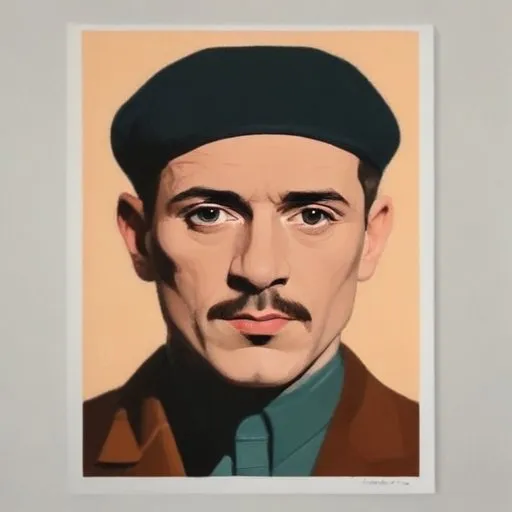
Pierre Molinier: The French Master of Fetishistic Eroticism
A Life of Subversion and Exploration
Pierre Molinier, a French painter, photographer, and object maker, is renowned for his provocative and fetishistic erotic art, which continues to shock and intrigue audiences to this day. Born on April 13, 1900, in Agen, France, Molinier's work is a testament to his bold and unapologetic exploration of the human psyche, delving deep into the realms of desire, pain, and pleasure.
Early Life and Career
Molinier's artistic journey began at a young age, with his early works focusing on landscapes. However, his career took a dramatic turn towards fetishistic eroticism after he discovered photography at the age of 18. This newfound medium allowed him to express his desires and fantasies in a more intimate and visceral manner.
After serving in the military from 1921 to 1922, Molinier moved to Paris to study the works of master artists. During this period, he also apprenticed with his father and Pierre Augustin de Fumadelles, a sculptor. This exposure to various art forms and techniques laid the foundation for Molinier's unique style, which blended the boundaries between painting, photography, and object making.
The Surrealist Connection
Molinier's work caught the attention of
André Breton, the founder of Surrealism, and he began a correspondence with him in the 1950s. This connection led to Molinier's integration into the Surrealist group, and he went on to participate in various exhibitions, including the International Surrealist Exhibition in 1959.
Exploring the Subconscious
Between 1965 and his death in 1976, Molinier created a series of graphic and provocative photographs, titled
Cent Photographies Erotiques, which showcased his exploration of transsexual desires and subconscious fantasies. These photographs featured Molinier himself, often dressed in fetishistic attire, assuming the roles of dominatrix and succuba. This work was a radical departure from the traditional norms of sexuality and gender, and it continues to be a subject of fascination and debate among art historians and critics.
Artistic Technique and Innovation
Molinier's photographic technique was innovative for its time, using a remote control switch to capture himself in various poses and scenarios. He also employed montage techniques to create intricate and surreal compositions, featuring multiple limbs and bodies intertwined in a dance of desire and pleasure.
Legacy and Impact
Pierre Molinier's work has had a profound impact on modern art, particularly in the realm of eroticism and fetishism. His bold and uncompromising approach to art has inspired generations of artists, photographers, and filmmakers, and his influence can be seen in the works of artists such as
Robert Mapplethorpe and Pierre et Gilles.
Controversy and Criticism
Molinier's work has not been without controversy, with some critics accusing him of objectifying women and perpetuating harmful stereotypes. However, others have defended his work as a bold and subversive exploration of human desire and sexuality.
In Conclusion
Pierre Molinier's life and art are a testament to the power of creative expression and the importance of pushing boundaries. His work continues to fascinate and provoke audiences, challenging our perceptions of sexuality, gender, and desire. As a true original and innovator, Molinier's legacy will endure, inspiring future generations of artists and thinkers to explore the uncharted territories of the human psyche.
FAQ
What is Pierre Moliniers artistic style?
Pierre Molinier was a French painter and photographer known for his surrealist and erotic works. His style often featured dreamlike scenes, fantastical creatures, and unconventional subjects.
What inspired Pierre Moliniers artwork?
Pierre Molinier drew inspiration from his own desires and fantasies, as well as from literature, mythology, and the natural world. He was fascinated by the relationship between the human body and the natural environment.
What is Pierre Moliniers most famous work?
Pierre Moliniers most famous work is his photography series, Cent Vingt-Quatre, which features surreal and often controversial images of women, animals, and landscapes. The series is considered a masterpiece of surrealist photography.
What was Pierre Moliniers relationship with André Breton?
Pierre Molinier was a close friend and collaborator of André Breton, the founder of the surrealist movement. Breton was a great admirer of Moliniers work and commissioned him to create several artworks for the movements publications.
What is Pierre Moliniers legacy in art?
Pierre Molinier is remembered as a pioneering surrealist artist who pushed the boundaries of photography and painting. His work continues to inspire artists, photographers, and collectors today.