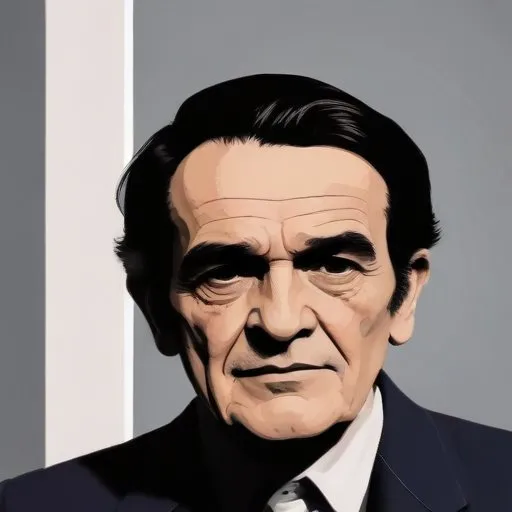
Pierre Schaeffer: The Pioneer of Musique Concrète
The Founding Father of Electronic Music
Pierre Schaeffer, a French composer, writer, and engineer, is best known for his groundbreaking work in electronic and experimental music, particularly in the development of
musique concrète, a genre that revolutionized the music industry. As the founder of the Groupe de Recherches de Musique Concrète (GRMC), Schaeffer's innovative work in the post-war era paved the way for modern electronic music.
Early Life and Education
Born on August 14, 1910, in Nancy, France, Schaeffer was raised in a musical family. His parents, both musicians, encouraged his interest in music, but surprisingly, discouraged him from pursuing a career in music. Instead, they directed him towards engineering, which would later become a crucial aspect of his musical endeavors.
The Birth of Musique Concrète
In the 1940s, Schaeffer began experimenting with radio broadcasting and music technology. He developed a unique approach to music composition, using recorded sounds as raw material. This innovative technique, known as
musique concrète, marked a significant departure from traditional music composition. By manipulating and rearranging sounds, Schaeffer created a new language of music that was both avant-garde and captivating.
Major Works and Collaborations
Schaeffer's notable works include
Symphonie pour un homme seul (1950) and
Orphée 53 (1953), which showcased his expertise in
musique concrète. He also collaborated with other prominent composers, such as
Pierre Henry and
Karlheinz Stockhausen, to push the boundaries of electronic music.
Influence on Modern Music
Schaeffer's work had a profound impact on the development of electronic music. His innovative techniques and ideas influenced a wide range of musicians, from Karlheinz Stockhausen to The Beatles. Today, his legacy can be seen in many genres, including ambient, industrial, and electronic music.
Awards and Honors
Schaeffer received numerous awards and honors for his contributions to music, including the Grand Prix National des Arts et des Lettres (1969) and the Prix de la Critique Musicale (1977).
Philosophical Contributions
Schaeffer's writings on music theory and philosophy are highly regarded. His book,
(1952), is a seminal work that explores the principles of musique concrète. His philosophical ideas on music and sound continue to inspire musicians and scholars alike.
Legacy
Pierre Schaeffer's innovative spirit and groundbreaking work have left an indelible mark on the music world. His pioneering efforts in musique concrète have paved the way for future generations of musicians and composers, cementing his place as one of the most influential figures in electronic music history.
Trivia and Fun Facts
- Schaeffer was an accomplished engineer and worked for the French national radio broadcasting company, Radiodiffusion Française.
- He was a strong advocate for anti-nuclear activism and cultural criticism.
- Schaeffer wrote several plays and novels, showcasing his versatility as a writer.
Conclusion
Pierre Schaeffer's remarkable journey, marked by innovation and creativity, has left a lasting impact on the world of electronic music. As a pioneer of musique concrète, Schaeffer's legacy continues to inspire and influence musicians, composers, and music enthusiasts around the world.
FAQ
What is Pierre Schaeffers contribution to electronic music?
Pierre Schaeffer is considered one of the pioneers of electronic music. He is credited with creating the first electronic music composition, Symphonie pour un homme seul, and developed the concept of musique concrète.
How did Pierre Schaeffers early life influence his career?
Pierre Schaeffer was born in Nancy, France, and grew up in a family of intellectuals. He pursued higher education in engineering and later became interested in music, eventually studying under composer Darius Milhaud.
What is Pierre Schaeffers role in the development of GRM?
Pierre Schaeffer founded the Groupe de Recherches Musicales (GRM), a French organization dedicated to the research and development of electronic music. Under his leadership, GRM became a hub for electronic music innovation.
What are some of Pierre Schaeffers notable compositions?
Some of Pierre Schaeffers notable compositions include Symphonie pour un homme seul, Orphée 53, and Bilude. His work showcases his innovative approach to electronic music and his use of new sounds and techniques.
How did Pierre Schaeffers work influence the development of electronic music?
Pierre Schaeffers pioneering work in electronic music paved the way for future generations of composers and musicians. His concepts and techniques continue to influence electronic music today, from ambient to industrial sounds.