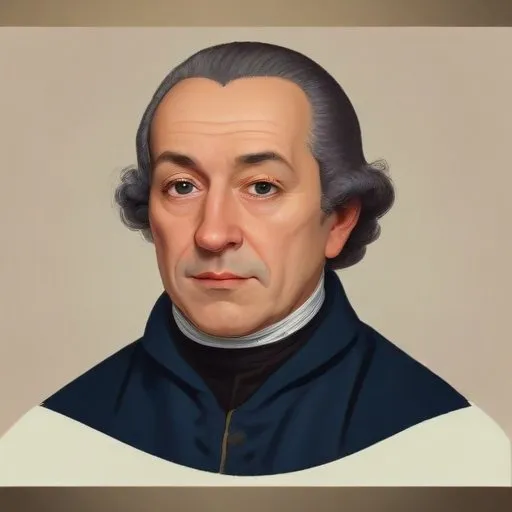
Pietro Longhi: The Venetian Master of Genre Painting
A Glimpse into Everyday Life in 18th Century Venice
Pietro Longhi, a renowned Venetian painter, is celebrated for his captivating genre scenes of contemporary life, offering a unique window into the daily existence of 18th century Venetians. His works, characterized by vivid depictions of ordinary people engaged in everyday activities, have earned him the reputation as the "Venetian William Hogarth."
Early Life and Training
Born on November 5, 1701, in Venice, Italy, Pietro Longhi was the first child of Alessandro Falca, a silversmith, and his wife, Antonia. Initially trained by the Veronese painter Antonio Balestra, Longhi later apprenticed with the esteemed Bolognese artist Giuseppe Maria Crespi, known for his religious and genre paintings influenced by Dutch masters.
The Emergence of a Unique Style
After returning to Venice before 1732, Longhi began to develop his signature genre style, focusing on the mundane aspects of life in Venice. His early works, including altarpieces and religious themes, hinted at his future direction. A pivotal piece, "The Death of the Giants" (1734), a fresco in the hall of Ca Sagredo, showcased his ability to depict everyday life with remarkable detail and humor.
Chronicles of Everyday Life
Longhi's subsequent works, characterized by their small scale and attention to detail, captured the essence of Venetian life. His "gallant interior scenes" reflected the 18th century's shift towards the private and the bourgeois, gaining him immense popularity. Paintings like "The Rhinoceros" (1751), now housed at the National Gallery in London, exemplify his mastery of conveying the subtleties of everyday life. This remarkable piece, depicting a crowd of Venetians gathered to marvel at a rare Indian rhinoceros, showcases Longhi's skill in capturing the intricate nuances of human interaction.
Family and Legacy
Longhi's personal life was marked by his marriage to Caterina Maria Rizzi in 1732, with whom he had eleven children, three of whom reached adulthood. His legacy as a painter and chronicler of Venetian life has endured for centuries, offering a unique glimpse into the daily existence of 18th century Venetians.
Influence and Impact
Pietro Longhi's works have had a lasting impact on the art world, influencing generations of artists and art lovers alike. His ability to capture the essence of everyday life, coupled with his unique style and attention to detail, has solidified his position as one of the most important Venetian painters of the 18th century.
Major Works and Exhibitions
- The Death of the Giants (1734) - Ca Sagredo
- The Rhinoceros (1751) - National Gallery, London
- Frescoes in the hall of Ca Sagredo (1734)
- Altarpieces and religious themes (early works)
Remembering Pietro Longhi
Through his works, Pietro Longhi has left an indelible mark on the art world, offering a fascinating glimpse into the daily lives of 18th century Venetians. His unique style, attention to detail, and ability to capture the essence of everyday life have cemented his position as one of the most celebrated painters of his time.
FAQ
What was Pietro Longhis contribution to Venetian art?
Pietro Longhi was a Venetian painter and educator who made significant contributions to Venetian art in the 18th century. He was particularly known for his genre scenes, portraits, and landscapes, which captured the spirit of Venetian daily life.
What was Pietro Longhis role in the Venetian Academy?
Longhi was a prominent figure in the Venetian Academy, where he taught and served as director. He was instrumental in shaping the Academys curriculum and was a vocal advocate for artistic innovation.
What were Pietro Longhis influences?
Longhi was influenced by a range of artistic styles, including Caravaggism, Mannerism, and Rococo. He was particularly drawn to the works of Pietro da Cortona and Carlo Maratta, whose use of light and color inspired his own work.
What was Pietro Longhis relationship with the Venetian patriciate?
Longhi was a favorite of the Venetian patriciate, who commissioned many of his works. He was particularly close to the Contarini family, who patronized his art and supported his career.
What is Pietro Longhis legacy in art history?
Longhis legacy in art history is that of a talented and innovative painter who helped shape the development of Venetian art in the 18th century. His contributions to art education and his influence on subsequent generations of artists have secured his place in the annals of art history.