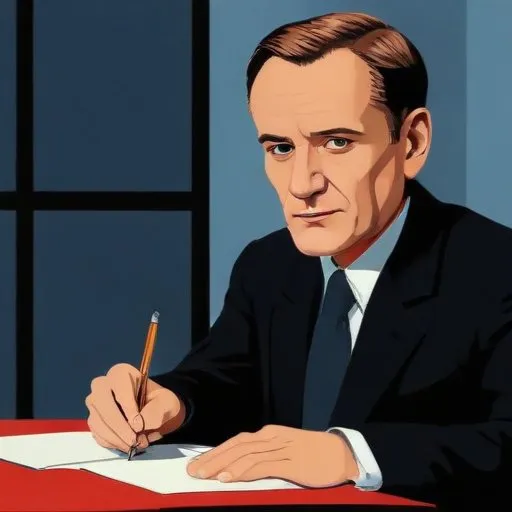
Piotr Skarga: The Polish Jesuit and Leading Figure of the Counter-Reformation
A Vigorous Advocate of Reforms and Critic of the Commonwealth
Piotr Skarga, a renowned Polish Jesuit, preacher, hagiographer, and polemicist, is remembered for his unwavering commitment to reforming the Polish-Lithuanian Commonwealth and promoting the Counter-Reformation. Dubbed the "Polish Bossuet" due to his exceptional oratory skills, Skarga was a powerful voice for change in the 16th and 17th centuries.
Early Life and Education
Born on February 2, 1536, in Powszczyzna, a small manor near Grójec, Skarga hailed from a family of lesser landless szlachta (gentry) or nobility. Tragedy struck early, with the loss of his mother at the tender age of eight and his father four years later. Supported by his brothers, Skarga pursued his education at a parochial school in Grójec before enrolling at the Kraków Academy (precursor to Jagiellonian University) in 1552.
Career Highlights and Major Works
Skarga's academic prowess earned him a professorship at the Kraków Academy, followed by his appointment as the first rector of the Wilno Academy in 1579. His literary talents flourished, resulting in the publication of
The Lives of the Saints (
Żywoty świętych, 1579), which became one of the most popular books in the Polish language for centuries. His seminal work,
Sejm Sermons (
Kazania Sejmowe, 1597), was a political treatise that advocated for strengthening the monarch's power and critiqued the Commonwealth's governing classes and religious tolerance policies.
Influence on Modern Society and Legacy
Skarga's advocacy for reforms and his blistering critiques of the nobility and clergy resonated with the Polish people. In the 19th century, his works experienced a resurgence in popularity, and he was hailed as a patriotic seer who had predicted the partitions of Poland. Today, Skarga is remembered as a champion of social justice and a vocal proponent of a stronger, more centralized government.
Quotes and Memorable Sayings
Skarga's oratory prowess is evident in his quotable phrases, which continue to inspire and educate:
- "The Commonwealth is like a sick man, and it needs a strong medicine to recover."
- "The nobility is the root of all evil, and the clergy is its branch."
Comparative Analysis with Contemporaries
Skarga's contemporaries included other prominent figures of the Counter-Reformation, such as
Robert Bellarmine and
Francis de Sales. While they shared similar goals, Skarga's unique blend of oratory skills, literary talent, and political acumen set him apart as a singular force in Polish history.
Personal Relationships and Anecdotes
Skarga's familial relationships played a significant role in shaping his life. His brother, Stanisław Skarga, a priest, supported him in his early years, while his other siblings provided financial assistance. These close ties instilled in Skarga a sense of responsibility and duty to his family and community, driving his efforts to reform the Commonwealth.
Impact on Education and the Jesuit Order
Skarga's work had a profound impact on education in Poland. As a professor and rector, he helped shape the curriculum and pedagogy of the Kraków and Wilno Academies. His commitment to the Jesuit Order's ideals of education, service, and devotion to God inspired generations of scholars and clergy.
Legacy and Historical Context
Piotr Skarga's life and works are a testament to the tumultuous era of the Counter-Reformation and the complexities of Polish history. His unwavering dedication to reform and his fearless critiques of the powerful have cemented his place as a champion of social justice and a beacon of light in the annals of Polish history.