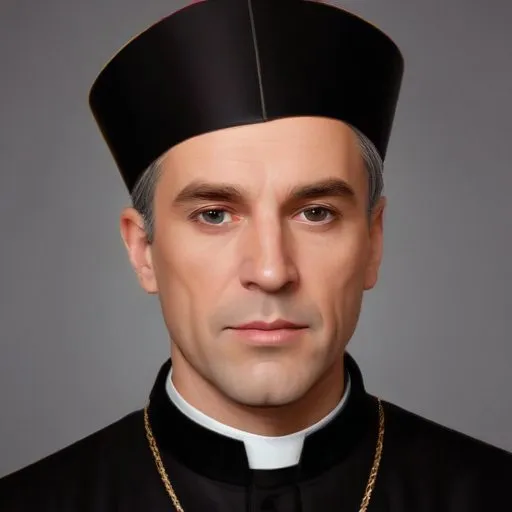
Marcin Kromer: The Cartographer, Diplomat, and Historian of the Polish-Lithuanian Commonwealth
A Man of Many Talents
Marcin Kromer, also known as Martinus Cromerus, was a Renaissance man of the 16th century, leaving an indelible mark on the Kingdom of Poland and the Polish-Lithuanian Commonwealth. As a cartographer, diplomat, and historian, Kromer's work had a profound impact on the region's politics, geography, and cultural heritage.
Early Life and Education
Born on November 11, 1512, in Biecz, Lesser Poland, Kromer came from a prominent burgher family of German descent. He received his early education at a local church-run school, followed by a transfer to Kraków in 1528. There, he graduated as a bachelor from the Cracow Academy in 1530.
Rise to Prominence
Kromer's career took off in 1533-37, when he worked at the Royal Chancellery in Kraków. This experience laid the foundation for his future roles as a diplomat and personal secretary to two Kings of Poland,
Sigismund I the Old and
Sigismund II Augustus. In 1540, he traveled to Italy, where he studied law for two years, further honing his skills as a diplomat and historian.
Diplomatic Career
Upon his return to Poland in 1540, Kromer became secretary to Archbishop Piotr Gamrat, a position that catapulted him to the role of personal advisor and representative to Rome. Over the next decade, he served as envoy to Rome, negotiating on behalf of the Polish crown. In 1552, King Sigismund I the Old recognized Kromer's exceptional services by ennobling him and granting him a coat of arms.
As a cartographer, Kromer's most notable work is his comprehensive map of Royal Prussia and Warmia, which was instrumental in resolving territorial disputes between the Polish-Lithuanian Commonwealth and neighboring regions. His meticulous attention to detail and geographic expertise earned him recognition as one of the leading cartographers of his time.
HISTORICAL CONTRIBUTIONS
Kromer's historical writings provide invaluable insights into the politics, culture, and society of the Polish-Lithuanian Commonwealth during the 16th century. His works include comprehensive histories of the region, as well as biographies of prominent figures, including King Sigismund II Augustus.
PERSONAL MILESTONES AND LEGACY
Throughout his life, Kromer demonstrated exceptional dedication to his craft, earning the respect and admiration of his contemporaries. As a testament to his enduring legacy, Kromer's works continue to influence Polish and European historiography to this day.
QUOTES AND MEMORABLE SAYINGS
" Geography is the foundation of all human knowledge, for it is the study of the very fabric of the world we live in." - Marcin Kromer
CONCLUSION
Marcin Kromer's remarkable life and achievements serve as a testament to the power of diligence, curiosity, and intellectual curiosity. As a cartographer, diplomat, and historian, he left an indelible mark on the Polish-Lithuanian Commonwealth, shaping our understanding of the region's history, politics, and culture. His legacy continues to inspire and educate generations to come.
FAQ
What was the role of Marcin Kromer as Prince-Bishop of Warmia?
Marcin Kromer served as Prince-Bishop of Warmia, playing a key role in the administration of the diocese and the promotion of Catholicism in the region.
What were the key accomplishments of Marcin Kromers reign as Prince-Bishop of Warmia?
Marcin Kromers reign as Prince-Bishop of Warmia was marked by significant achievements, including the promotion of education, the development of infrastructure, and the establishment of a strong centralized church administration.
How did Marcin Kromers reign impact the development of the Catholic Church in Poland?
Marcin Kromers reign played a crucial role in the development of the Catholic Church in Poland, as he promoted the spread of Catholicism, established new dioceses, and supported the construction of churches and monasteries.
What was Marcin Kromers relationship with the Polish monarchy?
Marcin Kromer maintained a close relationship with the Polish monarchy, cooperating on matters of church and state, and promoting the interests of the Catholic Church in the region.
What was the legacy of Marcin Kromer?
Marcin Kromers legacy was one of ecclesiastical leadership, administrative skill, and regional development, cementing his place as an important figure in the history of the Catholic Church in Poland.