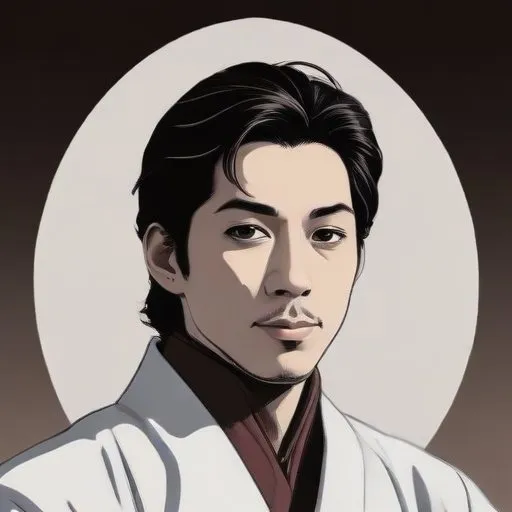
Prince Yasuhiko Asaka: A Pivotal Figure in Japanese History
Infamy and Controversy: The Commander of the Nanjing Massacre
Prince Yasuhiko Asaka is often remembered for his involvement as the commander of Japanese forces during the infamous Nanjing Massacre in 1937, which resulted in the brutal slaughter of hundreds of thousands of Chinese soldiers and civilians. This egregious event has become a stain on his legacy, overshadowing his impressive military career and contributions to the Japanese Imperial Family.
The Early Years: A Royal Upbringing
Born on October 20, 1887, in Kyoto, Japan, Prince Yasuhiko was the eighth son of Prince Kuni Asahiko and court lady Tsunoda Sugako. As a member of the Fushiminomiya branch of the imperial dynasty, Prince Yasuhiko was destined for greatness, with his family playing a significant role in shaping Japan's imperial history.
Rise to Prominence: Military Career and Imperial Status
Prince Yasuhiko's military career was marked by rapid progression through the ranks. He attended the Imperial Japanese Army Academy and later graduated from the Army War College. In 1906, he was granted the title Asakanomiya by
Emperor Meiji, authorizing him to establish a new branch of the imperial family. This honor was followed by his marriage to Nobuko, Princess Fumi, the eighth daughter of Emperor Meiji, in 1909.
The Nanjing Massacre: A Dark Chapter in History
As the commander of Japanese forces outside Nanjing in December 1937, Prince Yasuhiko presided over the brutal massacre that claimed the lives of countless Chinese soldiers and civilians. This horrific event has become synonymous with Japanese aggression during World War II, and Prince Yasuhiko's involvement has been the subject of much controversy and debate.
Immunity and Redemption
Following Japan's defeat in World War II, General
Douglas MacArthur granted immunity to the Imperial Family, sparing Prince Yasuhiko from prosecution for his role in the Nanjing Massacre. However, by 1947, he and his children were stripped of their imperial status. In the latter years of his life, Prince Yasuhiko converted to Catholicism and dedicated himself to philanthropic work.
Legacy and Impact
Prince Yasuhiko's legacy is a complex tapestry of military achievements, imperial status, and controversy. While his role in the Nanjing Massacre will forever be a stain on his reputation, it is also a testament to the brutal realities of war and the devastating consequences of military aggression.
Personal Milestones and Key Life Events
- Born on October 20, 1887, in Kyoto, Japan
- Granted the title Asakanomiya in 1906
- Married Nobuko, Princess Fumi, in 1909
- Commander of Japanese forces during the Nanjing Massacre in 1937
- Granted immunity by General Douglas MacArthur in 1945
- Stripped of imperial status in 1947
- Converted to Catholicism in the latter years of his life
- Died on April 12, 1981, at the age of 93
Influence on Modern Society
Prince Yasuhiko's legacy serves as a poignant reminder of the devastating consequences of war and the importance of accountability for military leaders. His story serves as a cautionary tale, encouraging future generations to prioritize human life and dignity above military ambition.
FAQ
What was Prince Yasuhiko Asakas role in World War II?
Prince Yasuhiko Asaka was a high-ranking officer in the Imperial Japanese Army during World War II. He was involved in several key battles, including the Nanking Massacre, and was later accused of war crimes.
Was Prince Yasuhiko Asaka related to the Japanese royal family?
Yes, Prince Yasuhiko Asaka was a member of the Japanese royal family. He was the son of Prince Asaka Yasuhiko and the grandson of Emperor Meiji.
What was Prince Yasuhiko Asakas education and training?
Prince Yasuhiko Asaka attended the Japanese Military Academy and later studied at the University of Tokyo. He also received military training in France and Germany.
What were Prince Yasuhiko Asakas accomplishments after World War II?
After World War II, Prince Yasuhiko Asaka was stripped of his military rank and titles, and was forced to live in exile. However, he later became a successful businessman and philanthropist, and was involved in several charitable organizations.
Is Prince Yasuhiko Asakas legacy still debated today?
Yes, Prince Yasuhiko Asakas legacy is still debated today. While some view him as a war hero, others criticize his role in the Nanking Massacre and other atrocities committed during World War II. Sub-question: What is the current status of Prince Yasuhiko Asakas war crimes trial?