


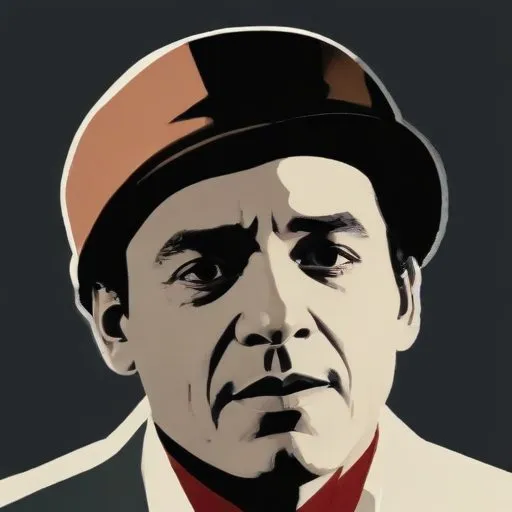
A talented musician who led a popular big band during the 1930s-1940s, known for his energetic drumming and smooth vocals. He recorded several hits, including "Beat Me, Daddy, Eight to the Bar."
Ray McKinley, the American jazz drummer, singer, and bandleader, is best known for his work with the legendary Glenn Miller Orchestra, as well as his own successful career leading various bands and orchestras. With a career spanning over four decades, McKinley left an indelible mark on the world of jazz and big band music.
Born on June 18, 1910, in Fort Worth, Texas, McKinley's love affair with music began at the tender age of nine, when his parents gifted him his first drum set. He soon began playing with local bands, including The Jolly Jazz Band in the Dallas-Fort Worth area. By the time he was 15, McKinley had left home to pursue a career in music, playing with various bands, including Milt Shaw's Detroiters and the Smith Ballew and Duncan-Marine bands.
In 1929, McKinley met Glenn Miller, with whom he would form a lifelong friendship and professional partnership. McKinley and Miller joined the Dorsey Brothers Orchestra in 1934, where McKinley remained until 1939, when he joined Will Bradley, becoming co-leader. It was during this period that McKinley's talents as a singer and drummer came to the forefront, earning him the nickname "Eight Beat Mack" in the lyrics of the song "Down the Road a Piece."
Ray McKinley's contributions to jazz and big band music are immeasurable. His work with Glenn Miller, as well as his own bands, helped shape the sound of the era. McKinley's infectious energy, drumming prowess, and smooth vocals made him a beloved figure in the music industry. He remains an inspiration to drummers and musicians everywhere, and his music continues to delight audiences to this day.
McKinley's legacy is preserved through numerous recordings and photographs from his time with the Glenn Miller Orchestra and his own bands. These visual and auditory artifacts provide a glimpse into the life and times of this jazz legend, offering a unique window into the world of big band music.
In his personal life, McKinley was married to Eleanore Sheehy, with whom he had two children. He passed away on May 7, 1995, leaving behind a rich legacy of music and memories that continue to inspire and delight audiences around the world.
Born in 1904
A legendary trombonist, composer, and bandleader who led one of the most popular big bands of the 1930s and 1940s, creating iconic hits like "In the Mood" and "Moonlight Serenade".
Born in 1910
A virtuosic clarinetist and innovative bandleader, he revolutionized the swing era with his unique sound and iconic hits like "Begin the Beguine" and "Stardust".
Born in 1909
A virtuosic clarinetist and bandleader, known as the "King of Swing," who revolutionized jazz music with his energetic and sophisticated style, leading a racially integrated orchestra in the 1930s.
Born in 1899
A legendary jazz pianist, composer, and bandleader who revolutionized the genre with his unique style and iconic compositions, such as "Take the A Train" and "Mood Indigo".
Born in 1904
A legendary jazz pianist and bandleader who led a iconic orchestra, blending swing and blues to create a unique sound that influenced generations of musicians. Known for his distinctive "less-is-more" style and hits like "April in Paris" and "One O'Clock Jump".
Born in 1913
A legendary jazz musician and bandleader, known for his virtuosic saxophone and clarinet playing, and leading his iconic orchestra through the swing and bebop eras.
Born in 1912
A renowned saxophonist, composer, and bandleader, known for his iconic big band sound and hits like "Sentimental Journey" and "My Heart Belongs to Daddy".
Born in 1916
A legendary trumpet virtuoso and charismatic bandleader, known for his technical brilliance and romantic ballads, as well as his film appearances alongside iconic stars like Betty Grable.
