


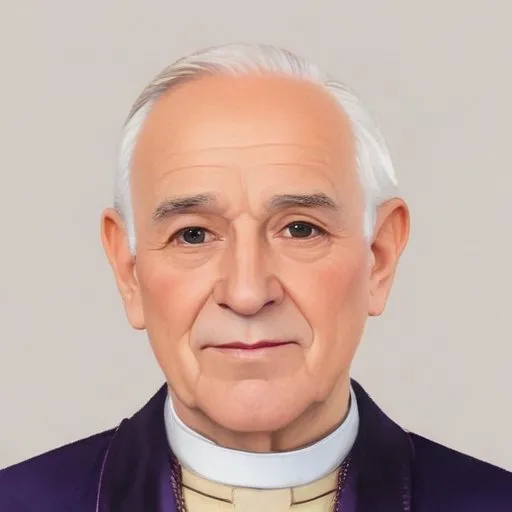
Raymond Dumais, a Canadian Catholic bishop, is known for his unorthodox path, which saw him transition from a life of priesthood to married life. Ordained in 1976, Dumais was consecrated as the bishop of the Roman Catholic Diocese of Gaspé, Quebec, Canada in 1991, a position he held until his resignation in 2001.
Dumais' priesthood was marked by dedication and service to his community. His commitment to his faith and flock led to his appointment as bishop, a role he undertook with zeal. During his tenure, he worked tirelessly to promote the interests of his diocese and the Catholic Church as a whole.
In 2001, Dumais made the unexpected decision to resign from his position as bishop, citing personal reasons. This move sent shockwaves through the Catholic community, as bishops are expected to maintain a lifetime commitment to their role. However, Dumais chose to pursue a new path, one that would see him marry in a civil ceremony, sparking controversy and debate among Catholic faithful.
While Dumais' resignation and subsequent marriage sparked controversy, it also brought attention to the issue of priestly celibacy. His actions raised questions about the relevance and practicality of this tradition in modern times. Dumais' decision to pursue a romantic relationship and start a family challenged the traditional norms of the Catholic Church, sparking debate about the role of clergy in the 21st century.
Dumais' unconventional path has left a lasting impact on the Catholic Church and its followers. His decision to resign and pursue a life outside the priesthood has inspired others to question the status quo and seek a more personal approach to their faith. Love him or critique him, Dumais' courage to challenge tradition has made him a figure of note in modern Catholic history.
Dumais' story serves as a testament to the power of personal conviction and the importance of following one's heart. Despite the controversy surrounding his decisions, Dumais remained true to himself, inspiring others to do the same. His courageous stance has inspired a new generation of Catholics to question tradition and seek a more personal approach to their faith.
89 Years Old
The leader of the Catholic Church, known for his progressive stance on social issues and efforts to reform the Church, inspiring millions worldwide.
Born in 1920
Leader of the Catholic Church from 1978 to 2005, known for helping to end communism in Poland and being a charismatic advocate for human rights and social justice.
99 Years Old
The first pope to resign in nearly 600 years, he's known for his conservative views and efforts to strengthen the Catholic Church's traditional teachings. He's also a prolific writer and theologian.
70 Years Old
The 105th Archbishop of Canterbury, spiritual leader of the global Anglican Communion, advocating for social justice and interfaith dialogue.
94 Years Old
A prominent religious leader and human rights advocate who fought against apartheid and racism, known for his tireless efforts to promote equality and forgiveness.
75 Years Old
A former Archbishop of Canterbury and prominent theologian, known for his progressive views on social issues and his efforts to promote interfaith dialogue.
90 Years Old
A prominent leader of the Church of England, serving as Archbishop of Canterbury from 1991 to 2002, known for his efforts to modernize the church and promote interfaith dialogue.
90 Years Old
A prominent Catholic Church leader, known for his progressive stance on social issues and his handling of the church's sex abuse scandal. He was a vocal advocate for immigration reform and workers' rights.
