


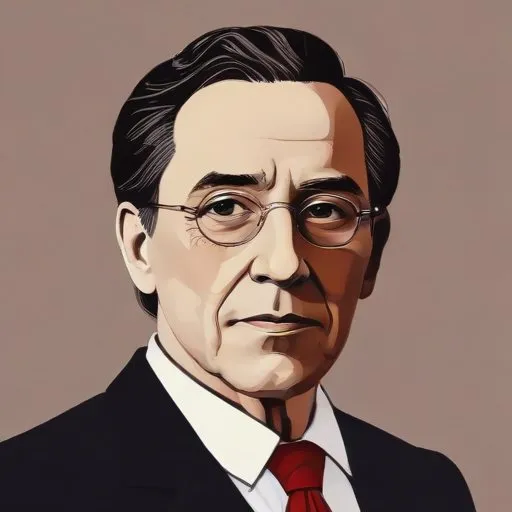
A poet and literary critic, known for his insightful reviews and essays that explored the intersection of poetry and politics. His work continues to influence literary circles.
Raymond P. Hammond is a renowned American poet, critic, and editor, best known for helming the prestigious New York Quarterly magazine since 2002. Under his guidance, the publication has become a beacon for innovative poetry and literary criticism, showcasing the best of contemporary American writing.
Hammond's own literary journey began with the publication of his seminal work, Poetic Amusement, which was originally written as his Master's thesis in 2000. This treatise on poetry has been hailed as a modern classic, offering a profound exploration of the essence of poetry and its place in our lives.
Through his work, Hammond prompts readers to question the very nature of poetry, encouraging them to seek answers for themselves. His writing is a testament to his passion for the art form, and his commitment to fostering a deeper understanding of poetry's role in modern society.
In addition to his own literary achievements, Hammond has made a significant impact on the literary world through his editorial work. As the editor of New York Quarterly, he has been instrumental in shaping the magazine's distinct voice and aesthetic, providing a platform for emerging and established writers to share their work.
Hammond's editorial approach is characterized by his unwavering commitment to excellence, his willingness to take risks, and his dedication to nurturing new talent. Under his leadership, the magazine has become a trusted authority on contemporary American poetry, with a reputation for showcasing innovative and thought-provoking work.
Hammond's contributions to the literary world have not gone unnoticed. He has been recognized for his outstanding work as an editor and poet, earning a reputation as one of the most respected figures in the literary community.
Hammond's writing and editorial work are informed by his deep fascination with the human experience. He believes that poetry has the power to capture the essence of our existence, to distill the complexities of life into moments of beauty and clarity.
Through his work, Hammond seeks to create a dialogue between readers, writers, and the world around them. He believes that poetry has the power to inspire, to provoke, and to challenge our perceptions, and he is dedicated to fostering a literary environment that is both inclusive and intellectually stimulating.
Born on August 31, 1964, in Roanoke, Virginia, Hammond's literary journey began at an early age. He was drawn to the world of poetry and literature, and his passion for writing has remained unwavering throughout his life.
In 2002, Hammond assumed control of New York Quarterly, following the passing of William Packard, who had entrusted him with the magazine's future. This pivotal moment marked the beginning of a new chapter in Hammond's life, as he embarked on a mission to preserve and promote the magazine's rich legacy.
Raymond P. Hammond's impact on modern literature cannot be overstated. Through his work as a poet, critic, and editor, he has created a lasting legacy that continues to inspire new generations of writers and readers.
His commitment to the art form has fostered a community of like-minded individuals who share his passion for poetry and literature. As a result, Hammond's influence extends far beyond the pages of New York Quarterly, resonating throughout the literary world and beyond.
Born in 1888
A renowned poet, playwright, and critic who reshaped modern poetry with works like "The Waste Land" and "Old Possum's Book of Practical Cats", influencing literature and art with their unique style.
Born in 1885
A pioneering modernist poet and critic who transformed 20th-century literature with innovative styles and provocative ideas, shaping the course of modern poetry.
Born in 1879
A modernist master of language and imagination, crafting innovative, symbolic poetry that explores the human experience and the relationship between reality and the individual's perception of it.
Born in 1883
A physician-turned-writer, known for his modernist poetry and short stories that explored the everyday lives of ordinary people, often using imagery and experimental styles. His work blurred the lines between poetry and prose, creating a unique literary voice.
Born in 1874
Pulitzer Prize-winning poet and playwright celebrated for rural New England-inspired works that explore human nature, morality, and the American experience.
Born in 1902
A renowned poet, novelist, and playwright who powerfully voiced the experiences and struggles of African Americans during the Harlem Renaissance, using jazz and blues rhythms to convey the spirit of his people.
Born in 1903
A prominent figure of the Harlem Renaissance, he crafted poignant poetry and novels that explored the African American experience, earning a lasting legacy in American literary history.
Born in 1889
A prominent figure of the Harlem Renaissance, known for powerful poetry and novels that explored the experiences of black people in America and the Caribbean, advocating for racial equality and social justice.
