


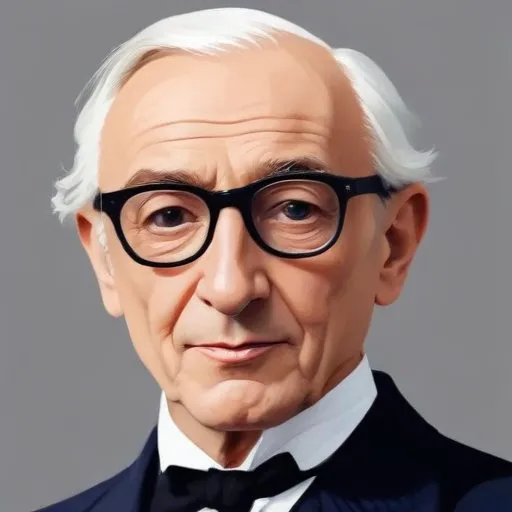
A French literary prodigy who wrote novels and poetry that explored themes of youth, love, and disillusionment, producing works that were both provocative and poignant.
Raymond Radiguet, a French novelist and poet, sent shockwaves through the literary world with his explicit themes and unique style, cementing his place as one of the most controversial writers of the 20th century.
Born on June 18, 1903, in Saint-Maur, Val-de-Marne, Radiguet was the son of a caricaturist. He moved to Paris in 1917, where he dropped out of the Lyce Charlemagne to pursue his passions for journalism and literature.
In 1923, Radiguet published his debut novel, Le Diable au Corps (The Devil in the Flesh), which sparked outrage in post-World War I France. The novel told the story of a young married woman's affair with a 16-year-old boy while her husband was away fighting at the front. Although Radiguet denied it, the novel was largely autobiographical, drawing from his own experiences.
Radiguet's second novel, Le bal du Comte d'Orgel (The Ball of Count Orgel), was published posthumously in 1924 and also dealt with adultery. Both novels were met with criticism and outrage, earning Radiguet a reputation as a scandalous and provocative writer.
Radiguet was part of the Modernist set, befriending prominent artists and writers such as Pablo Picasso, Max Jacob, Jean Hugo, Juan Gris, and Jean Cocteau, who became his mentor. He also had several well-documented relationships with women, which often sparked rumors and controversy.
An anecdote told by Ernest Hemingway captures the essence of Radiguet's charismatic personality and his ability to use his sexuality to advance his career. According to Hemingway, an enraged Cocteau once accused Radiguet of decadence, saying, "Bébé est vicieux. Il aime les femmes." ("Baby is depraved. He likes women.")
Despite the controversy surrounding his work, Radiguet's novels have been praised for their lyrical prose, complex characters, and unflinching portrayal of human desire. His influence can be seen in the works of later writers, such as Jean-Paul Sartre and Albert Camus.
Radiguet's life was cut short when he died of typhoid fever on December 12, 1923, at the age of 20. However, his literary legacy continues to fascinate readers and inspire writers to this day.
Born in 1889
A renowned French creative force, celebrated for his innovative and surreal works that blurred the lines between literature, art, and cinema, leaving an indelible mark on 20th-century culture.
Born in 1869
A French literary giant, renowned for his novels and essays that explored the human condition, morality, and the search for authenticity. His works often blurred the lines between fiction and autobiography.
Born in 1871
A French literary mastermind who penned the monumental, introspective novel "In Search of Lost Time", exploring the human experience through vivid, nostalgic storytelling.
Born in 1880
An Italian-French literary genius who pioneered Cubist poetry, blending fragmented images and multiple narratives to create a new kind of lyrical expression. His work influenced the development of Surrealism and modern art.
Born in 1881
A pioneering artist who transformed modern art with pioneering Cubist works, creating a new visual language that continues to inspire and influence art, design, and culture.
Born in 1869
A pioneering artist who revolutionized modern art with bold, expressive, and colorful works that blurred the lines between painting and sculpture, creating a new language of form and color.
Born in 1866
A pioneering composer of minimalist and avant-garde music, known for his unconventional and humorous approach to classical music, creating a new kind of simplicity and clarity. His music often featured repetitive patterns and witty titles.
Born in 1872
A visionary who revolutionized ballet by combining avant-garde music, art, and dance, creating a new era of modern ballet. His company showcased works by renowned artists like Stravinsky and Picasso.
