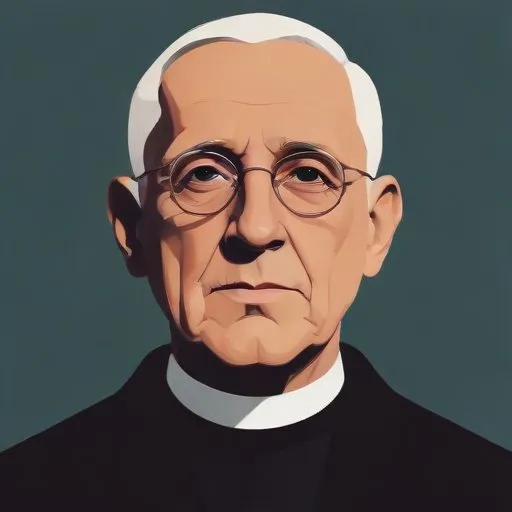
Reginald Heber: The Anglican Bishop and Hymnwriter Who Inspired a Generation
A Life of Devotion and Literary Pursuits
Reginald Heber was a renowned English Anglican bishop, hymnwriter, and man of letters, who left an indelible mark on the world of Christianity and literature. He is best known for his heartwarming hymns, including "Holy, Holy, Holy Lord God Almighty" and "Brightest and Best," which continue to inspire and uplift countless people around the world.
Early Life and Education
Born on April 21, 1783, to a wealthy landowner and cleric, Reginald Heber was destined for greatness. He was educated at Brasenose College, Oxford, where he excelled as a poet and developed his passion for literature. His early years were marked by a deep love for nature, poetry, and the arts, which would later shape his writing and spiritual pursuits.
A Grand Tour and Ordination
After graduating from Oxford, Heber embarked on an extended tour of Scandinavia, Russia, and Central Europe, where he developed a deeper understanding of the world and its cultures. In 1807, he was ordained as a priest and took over his father's old parish in Hodnet, Shropshire. This marked the beginning of his lifelong dedication to the Anglican Church and his service to the community.
Rise to Prominence
Heber's literary talents and pastorly devotion earned him recognition and admiration from his contemporaries. In 1823, he was consecrated Bishop of Calcutta, a position that would challenge him to improve the spiritual and living conditions of his flock in India.
A Life of Service and Sacrifice
As Bishop of Calcutta, Heber worked tirelessly to uplift the lives of those around him, often at great personal cost. His dedication to his work, combined with the harsh Indian climate and poor health, eventually took its toll on him. He collapsed and died on April 3, 1826, at the age of 42, leaving behind a legacy of love, kindness, and inspiration.
A Lasting Legacy
Reginald Heber's impact on the Anglican Church and the world of literature is still felt today. His hymns continue to be sung in churches around the world, and his literary works remain a testament to his extraordinary talent and devotion. Memorials were erected in his honor in India and at St. Paul's Cathedral, London, serving as a reminder of his selfless service and enduring legacy.
Quotes and Memorable Sayings
- "When we are in the midst of life, we ought to be aware of the presence of God."
- "Let us be willing to sacrifice our own interests for the sake of others."
Inspirational Stories and Motivations
Reginald Heber's life is a testament to the power of devotion, compassion, and sacrifice. His selfless service to others, coupled with his remarkable literary talents, continues to inspire generations of Christians and literary enthusiasts alike. His hymns and writings serve as a reminder of the transformative power of faith and the importance of living a life of service to others.
FAQ
What was Reginald Hebers role in the Church of England?
Reginald Heber was an English priest who served as the Bishop of Calcutta from 1823 until his death in 1826, playing a significant role in the Anglican Church in India.
What were Reginald Hebers contributions to hymnology?
Reginald Heber was a prolific hymn writer, composing over 50 hymns, including Holy, Holy, Holy and From Greenlands Icy Mountains, which are still sung today.
What was Reginald Hebers missionary work like?
Reginald Heber worked tirelessly to promote Christianity in India, establishing schools, hospitals, and other missionary institutions, and was known for his dedication to the people of India.
What were Reginald Hebers writings on theology?
Reginald Heber wrote several theological works, including The Personality and Office of the Christian Comforter and The Scripture Manual, which were influential in Anglican theology.
What is Reginald Hebers legacy in the Anglican Church?
Reginald Hebers legacy lies in his contributions to Anglican theology, hymnology, and missionary work, making him a significant figure in the history of the Church of England.