


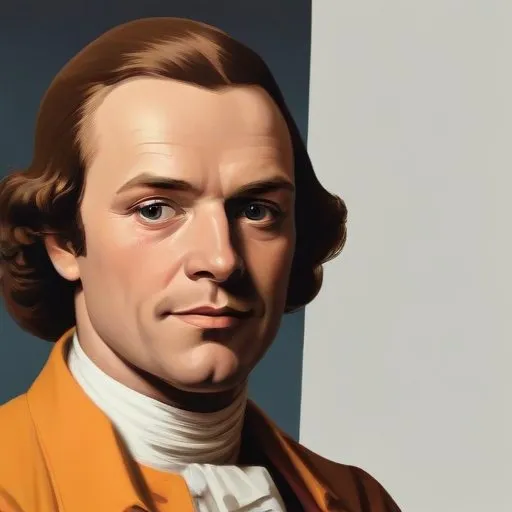
A Dutch Golden Age painter capturing lively scenes of everyday life, markets, and festivals with remarkable detail and warmth. Known for his vivid depictions of 17th-century Dutch culture.
Richard Brakenburgh, a renowned Dutch Golden Age painter, is celebrated for his exceptional skill in capturing the essence of lighthearted and festive genre scenes, earning him a reputation as a master of merrymaking and drunken assemblies.
Born on May 22, 1650, in Haarlem, Netherlands, Brakenburgh began his artistic journey under the tutelage of Hendrik Mommers, a prominent painter of the time. However, some art historians suggest that he may have also received training from Bernard Schendel, a fellow artist of similar age and style.
Brakenburgh's artistic prowess lies in his ability to create vivid, Italianate landscapes and portraits that exude a sense of joy and revelry. His paintings often feature peasants, villagers, and bourgeois gatherings, showcasing his exceptional skill in capturing the subtleties of human interaction and atmosphere.
Noted art historian Arnold Houbraken praised Brakenburgh's work, stating that his paintings are "ingeniously composed, and well coloured, something in the manner of Adriaen van Ostade, though greatly inferior." Brakenburgh's mastery of chiaroscuro, a technique that uses strong contrasts of light and dark to create a sense of depth, further enhanced the emotional impact of his works.
Brakenburgh's paintings can be found in esteemed art collections around the world, including the Vienna Gallery, Berlin Museum, Amsterdam Gallery, Brussels Gallery, and Rotterdam Museum. Some of his notable works include:
Brakenburgh's artistic influence extended beyond his own oeuvre, as he taught and mentored several notable artists, including Wigerus Vitringa, Abraham Pardanus, and Gillis de Winter. His work also reflects the aesthetic and thematic concerns of his contemporaries, such as Jan Steen.
Today, Richard Brakenburgh is recognized as a significant contributor to the Dutch Golden Age of painting, leaving behind a legacy of vibrant, engaging, and joyful works that continue to captivate art lovers and historians alike.
Brakenburgh's personal life remains somewhat shrouded in mystery, although it is known that he married a Frisian woman who, after his passing, purchased an annuity in Friesland. He died on December 28, 1702, in Haarlem, and was buried in January 1703.
Born in 1629
A Dutch master of domestic scenes, capturing intimate moments of everyday life in 17th-century Holland with remarkable light and atmosphere. His works offer a glimpse into the lives of ordinary people during the Dutch Golden Age.
Born in 1622
A Dutch master of light and shadow, known for his innovative use of chiaroscuro and his captivating, intimate portraits.
Born in 1585
A 17th-century master of winter landscapes, capturing the serene beauty of frozen canals and villages, often featuring people with disabilities. His unique style and attention to detail have made his works highly prized.
Born in 1610
A 17th-century master of peasant scenes, capturing rustic life with humor and empathy. His genre paintings offer a glimpse into the daily lives of ordinary people.
