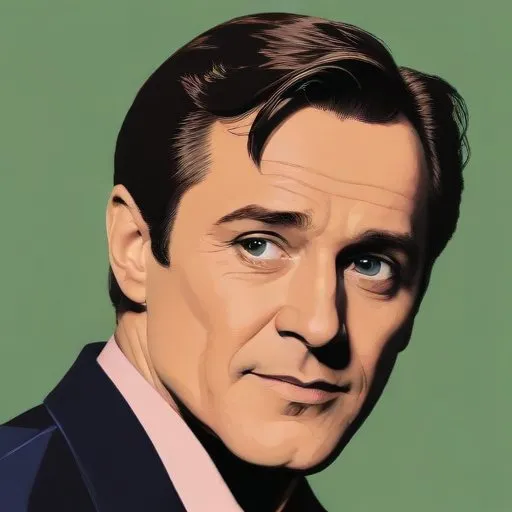
Richard Carlson: The Distinguished Actor, Director, and Screenwriter
A Master of the Screen and Stage
Richard Carlson, renowned for his impressive acting, directing, and screenwriting prowess, left an indelible mark on the world of entertainment. With a career spanning multiple decades, he seamlessly transitioned between the stage and screen, captivating audiences with his talent and versatility.
Early Life and Education
Born on April 29, 1912, in Albert Lea, Minnesota, Carlson was the son of a Danish-born lawyer. He cultivated his passion for the arts at the University of Minnesota, where he majored in drama and wrote, directed, and acted in several plays. His exceptional academic record earned him a Master of Arts degree, cum laude, and a prestigious scholarship prize of $2,500.
The Early Years of Career
With his scholarship prize, Carlson courageously invested in his own repertory theater in Saint Paul, Minnesota, where he wrote, produced, directed, and acted in three plays. Although the theater eventually failed, Carlson's determination and resilience drove him to relocate to California and join the Pasadena Playhouse, followed by a stint on the Broadway stage in New York.
Breaking into Film and Television
Carlson's acting debut on Broadway in the 1935 play "Three Men on a Horse" caught the attention of a Metro-Goldwyn-Mayer talent scout, leading to his signing with the studio. He appeared in the 1935 Crime Does Not Pay short subject "Desert Death," although uncredited. However, Carlson soon walked away from his movie contract, reportedly due to the rigorous training course required by MGM.
Return to the Stage and Rise to Prominence
Carlson's brief stint in film did not deter him from pursuing his passion for the stage. He returned to theater, taking on a role in the Chicago production of "Night of January 16." His subsequent performances in plays such as "Now You've Done It" (1937) and "Ghost of Yankee Doodle" (1938), alongside esteemed actress
Ethel Barrymore, solidified his reputation as a talented actor.
Notable Works and Career Highlights
- "The Valley of Gwangi" (1969) - a science fiction film that showcased Carlson's directing skills
- "The Twonkey" (1953) - a stage play that exemplified his writing and directing capabilities
- "The Maze" (1953) - a 3D horror film that demonstrated his versatility in the genre
Philosophical Contributions and Beliefs
Throughout his career, Carlson's work reflected his commitment to artistic expression and his dedication to his craft. His unwavering passion for the arts continues to inspire future generations of actors, directors, and screenwriters.
Legacy and Impact on Modern Society
Richard Carlson's contributions to the world of entertainment have left a lasting legacy. His ability to navigate the complexities of both stage and screen has paved the way for future artists to explore multiple creative outlets. As a testament to his enduring influence, Carlson's work remains a vital part of our cultural heritage.
Personal Milestones and Key Life Events
- April 29, 1912 - Born in Albert Lea, Minnesota
- 1935 - Made his acting debut on Broadway in "Three Men on a Horse"
- November 25, 1977 - Passed away, leaving behind a rich legacy in the world of entertainment
Influence on Pop Culture
Carlson's extensive body of work has permeated popular culture, influencing countless actors, directors, and screenwriters. His commitment to artistic expression has inspired a wide range of creative endeavors, from film and television to theater and beyond.
Historical Context and Legacy
Richard Carlson's remarkable career serves as a testament to the power of dedication and perseverance. As a pioneer in the entertainment industry, he has left an indelible mark on our cultural landscape, ensuring his legacy will continue to inspire future generations of artists and entertainers.
FAQ
What were Richard Carlsons most famous films?
Richard Carlson was an actor, director, and screenwriter, and his most famous films include The Create from the Black Lagoon, The Maze, and It Came from Outer Space.
What was Richard Carlsons style of direction?
Richard Carlsons style of direction was characterized by his use of suspense and horror elements, as well as his ability to create a sense of atmosphere and tension.
What awards did Richard Carlson receive?
Richard Carlson received several awards for his contributions to film, including a star on the Hollywood Walk of Fame.
How did Richard Carlsons work reflect his interests in science fiction and horror?
Richard Carlsons work reflected his interests in science fiction and horror through his use of genre elements and themes in his films, as well as his portrayal of scientists and intellectuals as protagonists.
What was Richard Carlsons early life and education like?
Richard Carlson was born on April 29, 1912, in Albert Lea, Minnesota. He was educated at the University of Minnesota, where he earned a degree in English literature.