


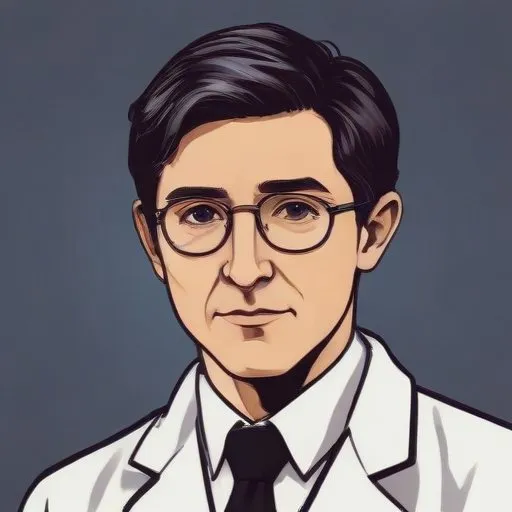
Pioneering geneticist and academic who made significant contributions to the field of genetics, particularly in the discovery of the genetic basis of inherited diseases.
Richard Cotton, a renowned Australian medical researcher, is best known for his groundbreaking work in the prevention and treatment of genetic disorders and birth defects. His pioneering efforts in the development of techniques to produce monoclonal antibodies and diagnostic techniques for diseases such as Phenylketonuria have been instrumental in saving countless lives and preventing further disease progression.
Raised on a citrus grove and cattle farm in Victoria, Australia, Cotton's family's produce funded his education as a boarder at Melbourne Grammar School. He later went on to be appointed to the Old Melburnians Council, a testament to his excellence in education.
Cotton's most significant contribution to the field of genetic research is the development of methods for the chemical and enzymatic detection of human genetic mutations. He was one of the first to recognize the need to document the extent of all human genetic variation to investigate, treat, and prevent human disease.
As the founder and scientific director of the Human Variome Project, Cotton led the world in developing ways to collect, curate, interpret, and share information on genetic changes that underlie both inherited and complex disease. His vision was to make information on genetic variations and their effect on patients freely and openly available, enabling universal access to knowledge that can be used to prevent, diagnose, and treat all human disease.
Cotton received numerous awards and honors for his contributions to genetic research and public service. He was appointed a Member of the Order of Australia (AM) in recognition of his service to medicine, particularly in the field of genetics.
In addition to his groundbreaking research, Cotton was also a dedicated philanthropist and environmental conservationist. He donated part of his farm to Trust for Nature, ensuring the land is preserved in its natural state for future generations. He also served as a trustee of the Trust for Nature organization.
Richard Cotton's work has had a profound impact on the field of genetic research and human health. His pioneering efforts have paved the way for further research and breakthroughs in the prevention and treatment of genetic disorders. His legacy continues to inspire future generations of researchers, clinicians, and scientists.
"The key to unlocking the secrets of human disease lies in understanding the vast complexity of human genetic variation."
Though Cotton may have left us, his work and legacy continue to inspire and motivate us to strive for a better understanding of human genetics and its role in improving human health.
Born in 1916
Pioneering scientist who discovered the structure of DNA, revolutionizing our understanding of genetics and life itself.
98 Years Old
Discovered the structure of DNA, revolutionizing our understanding of genetics and earning a Nobel Prize. Pioneering work in molecular biology has far-reaching implications for medicine and beyond.
Born in 1920
A British scientist who contributed significantly to the discovery of the structure of DNA, providing high-quality X-ray crystallography images that helped James Watson and Francis Crick develop their famous model.
Born in 1916
A Nobel Prize-winning physicist and biologist who contributed significantly to the discovery of the structure of DNA, using X-ray crystallography to produce the first clear images of the molecule.
Born in 1901
Pioneering chemist and peace activist who won two unshared Nobel Prizes, one for chemistry and one for peace, for his groundbreaking work on the nature of the chemical bond and his tireless efforts to promote nuclear disarmament.
Born in 1924
A pioneer in the field of atmospheric physics, known for his groundbreaking research on the ozone layer and climate change, and a vocal skeptic of global warming theories.
Born in 1914
Pioneering crystallographer who unraveled the structure of hemoglobin, revolutionizing our understanding of biological molecules. His work paved the way for major advances in medicine and biochemistry.
Born in 1917
Pioneering biochemist and crystallographer who determined the structure of myoglobin, a protein in muscle cells, and was awarded the Nobel Prize in Chemistry in 1962.
