


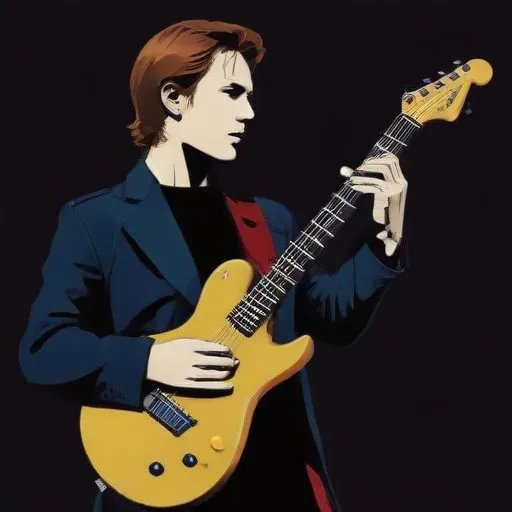
A pioneering electronic music artist, founder of Cabaret Voltaire, and influential figure in the industrial and techno genres, known for experimental and avant-garde soundscapes.
Richard H. Kirk was a renowned English composer, musician, and producer, best known for cofounding the influential music group Cabaret Voltaire in 1973. As a solo artist, he released music under his own name and over 30 aliases, leaving an indelible mark on the electronic music landscape.
Born on March 21, 1956, in Sheffield, South Yorkshire, England, Kirk grew up in a creative environment that fostered his interest in music and art. He attended the Psalter Lane School Of Art, where he completed a one-year program in sculpture and met Peter Care, who would later direct several Cabaret Voltaire videos.
In 1973, Kirk, along with Chris Watson and Stephen Mallinder, formed Cabaret Voltaire, an industrial band that would go on to define the sound of electronic music. The band's early performances were characterized by their use of tape recorders, junk, and found objects, which Kirk's father, a ham radio operator, had a hand in inspiring.
Kirk cited a wide range of musicians, including Karlheinz Stockhausen, John Cage, and Fela Kuti, as influencing his work. These diverse influences can be heard in Cabaret Voltaire's debut album, Mix-Up, released in 1979.
Kirk's first solo release, Disposable Half-Truths, came in 1980, and he continued to release music as a solo artist alongside his work with Cabaret Voltaire. In 2003, he founded his own label, Intone, which allowed him to release music on his own terms.
During the 1990s, Kirk's solo output increased significantly, exploring multiple types of electronic and dance music. His works under various aliases and collaborations with other artists, such as Sweet Exorcist and Acid Horse, further solidified his reputation as a pioneer in electronic music.
In 2014, Kirk reformed Cabaret Voltaire as a solo project, performing sporadically with new material that owed more to his solo work than the original output of the band. This rejuvenation of the Cabaret Voltaire moniker cemented Kirk's status as a continued force in electronic music.
Throughout his career, Kirk has been recognized for his contributions to electronic music, influencing countless artists and inspiring a new generation of musicians. His legacy extends beyond his music, leaving an indelible mark on the cultural landscape of the 20th century.
Kirk's approach to music was deeply rooted in his fascination with sound, technology, and the human experience. He believed in pushing the boundaries of what was possible with music, often incorporating elements of experimentation and improvisation into his work.
This philosophical approach can be seen in his use of tape recorders and found objects, which challenged traditional notions of what constitutes music. Kirk's contributions to electronic music have been instrumental in shaping the genre and inspiring a new wave of musicians.
Kirk's contributions to electronic music have had a profound impact on modern society, influencing generations of musicians, artists, and producers. His experimental approach to sound has paved the way for new forms of music and art, shaping the cultural landscape of the 20th century.
Today, Kirk's legacy continues to inspire, with his music remaining a testament to his innovative spirit and creative vision. As a pioneer of electronic music, Richard H. Kirk's influence on modern society is undeniable, cementing his place as one of the most important figures in the history of electronic music.
78 Years Old
A pioneer of electronic music, he's a renowned producer and musician who has collaborated with iconic artists like David Bowie and U2, and is credited with shaping the sound of ambient music.
79 Years Old
A trailblazing musician and performer who blurred the lines between rock, pop, and theater, known for his bold style, innovative music videos, and iconic personas like Ziggy Stardust.
86 Years Old
Pioneering electronic music artist and producer behind iconic soundtracks and hits like "Take My Breath Away" and "Flashdance... What a Feeling", revolutionizing the disco and synth-pop era.
