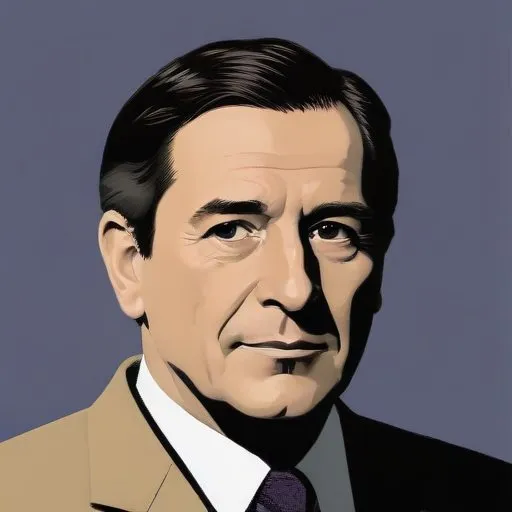
Chris Watson: The Pioneering Prime Minister of Australia
A Trailblazer in Australian Politics
Chris Watson, the third Prime Minister of Australia, is renowned for being the first labor leader to hold the office, serving from April 27 to August 18, 1904. This remarkable feat marked a significant milestone in Australian history, as Watson became one of the first socialists to head a government in a parliamentary system.
Early Life and Career
Born Johan Cristian Tanck on April 9, 1867, in Valparaíso, Chile, to a German Chilean seaman, Watson's early life was marked by significant changes. He took the surname of his stepfather, an Irish-born man, when his mother remarried. Growing up on New Zealand's South Island, Watson left school at a young age and began working in the printing industry as a compositor.
Rise to Prominence
Watson's move to Sydney in 1886 marked the beginning of his prominent role in the local labor movement. He co-founded the Labor Electoral League of New South Wales and played a crucial part in the party's campaign during the 1891 general election. Elected to the New South Wales Legislative Assembly in 1894, Watson swiftly became a leading figure in the Australian Labor Party (ALP).
Federal Politics and Leadership
In 1901, Watson was elected to the House of Representatives and became a founding member of the ALP caucus in federal parliament. He was subsequently elected as the party's inaugural leader. During the first term of parliament, Watson supported the Liberal Protectionist governments of
Edmund Barton and
Alfred Deakin, and was a strong advocate for the White Australia policy.
Minority Government and Legacy
At the 1903 election, the ALP secured the balance of power in the House and a strong position in the Senate. Watson formed a minority government in April 1904, making him, at 37, the country's youngest prime minister. Although his government lasted less than four months, Watson's achievements left an indelible mark on Australian politics.
Philosophical Contributions and Beliefs
Watson's commitment to socialism and labor rights was instrumental in shaping the ALP's policies and beliefs. His advocacy for the rights of workers and the disadvantaged continues to influence Australian politics to this day.
Personal Milestones and Key Life Events
- Born on April 9, 1867, in Valparaíso, Chile
- Took the surname of his stepfather, an Irish-born man
- Moved to Sydney in 1886 and became prominent in the local labor movement
- Elected to the New South Wales Legislative Assembly in 1894
- Became the inaugural leader of the Australian Labor Party in 1901
- Formed a minority government in April 1904, becoming Australia's youngest prime minister
- Died on November 18, 1941
A Lasting Impact on Australian Politics
Chris Watson's pioneering spirit and unwavering commitment to social justice have left an enduring legacy in Australian politics. As a trailblazer in the labor movement, Watson's achievements continue to inspire generations of politicians and social activists.
FAQ
What was Chris Watsons role in Australian politics?
Chris Watson served as the 3rd Prime Minister of Australia, leading the Australian Labor Party and implementing several key reforms.
How did Chris Watson influence the Australian Labor Party?
Watson played a crucial role in shaping the Australian Labor Party, serving as its first federal leader and laying the groundwork for future Labor governments.
What were Chris Watsons key policies?
Watsons government introduced several significant policies, including the establishment of the Australian Arbitration Court and the introduction of the White Australia policy.
Why is Chris Watson important in Australian history?
Watson holds a significant place in Australian history as the countrys first Labor Prime Minister and a key figure in shaping the nations political landscape.
How did Chris Watsons government impact Australian workers?
Watsons government introduced several reforms benefiting Australian workers, including the introduction of a minimum wage and improved working conditions.