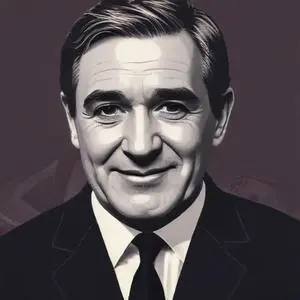
Richard Martin: The Champion of Animal Welfare
A Crusader Against Cruelty
Richard Martin, affectionately known as "Humanity Dick," was a pioneering Irish politician and passionate advocate against animal cruelty. His tireless efforts led to the historic passage of the Cruel Treatment of Cattle Act in 1822, earning him a revered place in the annals of animal welfare.
Early Life and Education
Born on January 15, 1754, in Dangan, County Galway, Richard Martin was the only son of Robert Martin FitzAnthony and Bridget Barnwall. Raised at Dangan House, Martin's family was steeped in a rich cultural heritage, with his father's family being Jacobites and his mother's family, the Barnwalls, boasting a noble Norman descent. After his mother's passing at the age of nine, Martin's education continued in England, where he studied at Harrow and later enrolled at Trinity College, Cambridge, as a gentleman-commoner.
A Career of Service and Activism
Martin's professional journey began as a lawyer in Ireland, and he was subsequently appointed High Sheriff of Galway in 1782. His entry into politics came in 1776, when he was elected to the Irish House of Commons, representing Jamestown until 1783. However, it was his relentless campaign against animal cruelty that would define his legacy.
The Birth of Animal Welfare Legislation
Martin's unwavering dedication to the cause led to the introduction of the Cruel Treatment of Cattle Act in 1822, also known as "Martin's Act." This groundbreaking legislation marked a significant turning point in the fight against animal cruelty, penalizing those who mistreated cattle and paving the way for future animal welfare reforms.
Awards and Recognition
King George IV bestowed upon Martin the nickname "Humanity Dick," a testament to his tireless efforts on behalf of animals. This royal recognition cemented Martin's status as a champion of animal welfare, inspiring generations to come.
Personal Life and Legacy
Martin's life was marked by both triumph and tragedy, including the loss of his mother at a young age and the passing of his black slave boy, who was permitted to resign from Martin's service after his father's death. Despite these challenges, Martin remained committed to his cause, leaving behind a lasting legacy that continues to inspire and educate.
Impact on Modern Society
Martin's pioneering work in animal welfare has had a profound impact on modern society, shaping the course of animal rights activism and informing legislative reforms. His courage and perseverance have inspired countless individuals and organizations, ensuring that the voiceless are heard and protected.
Remembering Richard Martin
As we reflect on the life and legacy of Richard Martin, we are reminded of the transformative power of compassion and dedication. His unwavering commitment to animal welfare has left an indelible mark on history, inspiring us to strive for a world where kindness, empathy, and justice reign supreme.
FAQ
What was Richard Martins role in the abolition of slavery?
Richard Martin was an Irish activist and politician who played a key role in the abolition of slavery in the British Empire. He was a founder of the Committee for the Abolition of Slavery.
How did Richard Martins work influence the treatment of animals?
Richard Martin was a pioneer in the fight against animal cruelty and co-founded the Royal Society for the Prevention of Cruelty to Animals (RSPCA).
What was Richard Martins relationship with King George IV?
Richard Martin was a close friend and advisor to King George IV, which helped him to promote his humanitarian causes.
How did Richard Martin die?
Richard Martin died on January 6, 1834, at the age of 74.
What is Richard Martins legacy?
Richard Martins legacy is that of a dedicated humanitarian who fought for the abolition of slavery and the protection of animals.