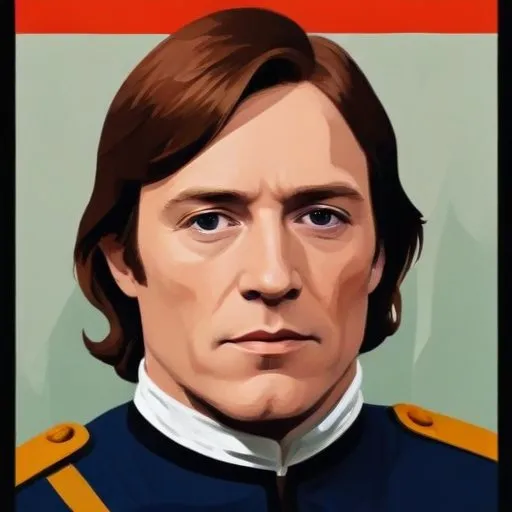
Richard Sharpe Shaver: The Enigmatic Author and Artist Behind the Shaver Mystery
A Controversial Figure in Science Fiction
Richard Sharpe Shaver is best known for his provocative and influential science fiction stories, which claimed to reveal the existence of an ancient, sinister civilization lurking beneath the earth. These tales, published primarily in
Amazing Stories magazine, sparked a heated debate about the nature of truth and fiction, with Shaver and his editor, Ray Palmer, insisting that the stories were rooted in reality.
A Life of Wonder and Intrigue
Born on October 8, 1907, Shaver's life was marked by a sense of curiosity and fascination with the unknown. His early years were spent in Wisconsin, where he developed a passion for art and writing. During World War II, Shaver worked in a factory, where he claimed to have stumbled upon an ancient language, which he dubbed "Mantong." This language, he believed, held the secrets of human communication and was the source of all earthly languages.
The Shaver Mystery: A Catalyst for Controversy
In 1943, Shaver wrote a letter to
Amazing Stories, detailing his discovery of Mantong. Editor Ray Palmer was intrigued by Shaver's claims and invited him to elaborate. Shaver responded with a 10,000-word manuscript, "A Warning to Future Man," which revealed his extraordinary experiences in the factory and his encounters with the ancient civilization. This manuscript sparked a heated debate about the nature of Shaver's stories, with some hailing him as a visionary and others dismissing him as a charlatan.
Artistic Expressions and Rock Books
In the later years of his life, Shaver devoted himself to art, creating paintings and rock books that allegedly depicted images and texts from the ancient civilizations. These rock books, which Shaver believed were created by advanced ancient races, became an obsession for him. He extensively photographed and wrote about the rock books, leaving behind a legacy of esoteric art and literature.
Philosophical Contributions and Beliefs
Shaver's work was underpinned by a philosophical framework that challenged conventional notions of reality and human history. He believed that ancient civilizations had possessed advanced technology and knowledge, which they had hidden in underground caverns. This knowledge, Shaver claimed, was accessible through the Mantong language and the rock books. His work, though often dismissed as fantasy, represented a fascinating intersection of science fiction, mysticism, and speculative philosophy.
Influence on Modern Society and Pop Culture
Shaver's stories and ideas have had a lasting impact on science fiction and popular culture. His tales of ancient civilizations and hidden knowledge have influenced authors, filmmakers, and artists, such as H.P. Lovecraft,
Robert E. Howard, and
David Lynch. The Shaver Mystery has also inspired numerous adaptations, including films, books, and comics, cementing Shaver's place as a visionary and a pioneer in the science fiction genre.
Legacy and Historical Context
Shaver's life and work can be seen as a reflection of the anxieties and hopes of his era. His stories tapped into the zeitgeist of post-war America, where concerns about atomic power, secrecy, and the unknown were pervasive. Today, Shaver's legacy extends beyond the science fiction community, with his art and ideas influencing contemporary debates about ancient civilizations, mysticism, and the nature of reality.
Quotes and Memorable Sayings
- "The most unbelievable things are the ones that are true." - Richard Sharpe Shaver
- "The secrets of the universe are hidden in plain sight, if only we know where to look." - Richard Sharpe Shaver
Awards and Honors
Though Shaver's work was often met with skepticism and controversy during his lifetime, he has since been recognized as a pioneering figure in science fiction and art. Posthumously, his paintings and rock books have been exhibited in Los Angeles, New York, and elsewhere, cementing his reputation as a visionary artist.
Personal Milestones and Key Life Events
- October 8, 1907: Born in Wisconsin, USA
- 1932: Worked in a factory, where he claimed to have discovered the Mantong language
- 1943: Wrote "A Warning to Future Man," which sparked the Shaver Mystery
- 1960s: Devoted himself to art, creating paintings and rock books
- November 5, 1975: Died in Arkansas, USA
Trivia and Fun Facts
- Shaver's stories were often illustrated by artist Frank R. Paul, who is credited with creating the iconic image of the "dero," a degenerate, undersized human creature that Shaver believed inhabited the underground caverns.
- Shaver's rock books have been exhibited at the Los Angeles County Museum of Art (LACMA) and the Museum of Modern Art (MoMA) in New York.
By examining the life and work of Richard Sharpe Shaver, we gain insight into the power of imagination, the allure of the unknown, and the enduring fascination with the mysteries of human history.