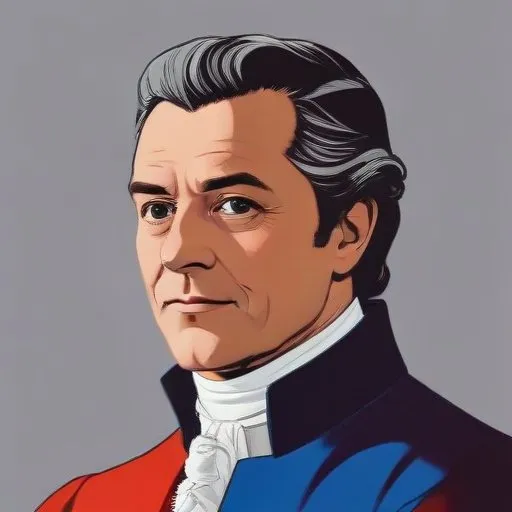
Richard Weston, 1st Earl of Portland: The Financial Mastermind Behind the Throne
Chancellor of the Exchequer and Lord Treasurer of England
Richard Weston, 1st Earl of Portland, was a titan of finance and politics in 17th-century England, serving as Chancellor of the Exchequer and later Lord Treasurer of England under James I and Charles I. He was the architect of many policies that enabled Charles I to rule without raising taxes through Parliament, cementing his place as one of the most influential figures of the era.
Early Life and Education
Born on March 1, 1577, at Roxwell, Essex, Weston was the eldest son of Sir Jerome Weston, High Sheriff of Essex, and Mary Cave. He studied at the Middle Temple, laying the foundation for his future success in law and politics.
Political Career
Weston's political career was marked by his remarkable ability to navigate the complexities of finance and politics. He served as Member of Parliament (MP) for various constituencies, including Maldon (1601-1603), Midhurst (1604-1611), Essex (1614), Arundel (1622), Bossiney (1624), Callington (1625), and Bodmin (1626). In 1603, he was knighted for his services to the Crown.
During the reign of King James I, Weston was sent on embassies to Bohemia, Brussels, and Spain, where he negotiated for the restitution of the Palatine. Upon his return to England in 1621, he was appointed Chancellor of the Exchequer, a position he retained after Charles I's accession.
Financial Wizardry and Controversy
Weston's exceptional financial management skills earned him both praise and criticism. He opposed wars with Spain in 1623 and France in 1626, yet managed to find ways to raise the necessary funds when required, often without the cooperation of Parliament. This led to popular hatred, as he was suspected of being a Roman Catholic, and later incurred the enmity of Queen Henrietta Maria for refusing grants to her favorites.
Rise to the Peerage
In recognition of his services, Weston was elevated to the peerage on April 13, 1628, as Baron Weston of Nayland in Suffolk. He was subsequently appointed Lord Treasurer of England and invested with the Order of the Garter.
Legacy and Impact
Weston's policies, although unpopular with Parliament, enabled Charles I to rule without raising taxes, marking a significant shift in the balance of power between the Crown and Parliament. His legacy as a master of finance and politics continues to be felt in the annals of English history.
- Quote: "I must confess, I have always been more inclined to the ways of peace than those of war." - Richard Weston, 1st Earl of Portland
Despite the controversies surrounding him, Weston remains an important figure in English history, remembered for his exceptional financial acumen and unwavering commitment to the Crown.
FAQ
Who was Richard Weston, 1st Earl of Portland, and what was his role in English politics?
Richard Weston, 1st Earl of Portland, was an English politician and diplomat, who served as Lord Chancellor of England and played a key role in the early years of the Stuart dynasty.
What were the accomplishments of Richard Weston, 1st Earl of Portland?
Richard Weston, 1st Earl of Portland, was a skilled diplomat and politician, who helped to negotiate the Treaty of London and the Treaty of Madrid. He also played a key role in the English courts, serving as Lord Chancellor and Chief Justice.
How did Richard Weston, 1st Earl of Portland, influence the development of English politics?
Richard Weston, 1st Earl of Portland, influenced the development of English politics by helping to establish the Stuart dynasty and promoting the interests of the monarchy. He also played a key role in shaping English foreign policy, particularly in relation to Spain and France.
What was the significance of Richard Weston, 1st Earl of Portland, in English history?
Richard Weston, 1st Earl of Portland, is significant in English history because he was a key figure in the early years of the Stuart dynasty. He helped to establish the monarchy and played a crucial role in shaping English politics and foreign policy.
What can we learn from the life and work of Richard Weston, 1st Earl of Portland?
The life and work of Richard Weston, 1st Earl of Portland, teach us the importance of diplomacy, statesmanship, and loyalty. He shows us that even in the face of adversity, we can remain committed to our values and ideals.