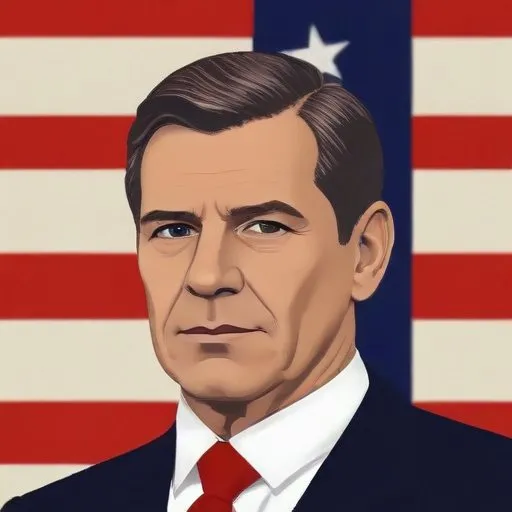
Robert Bacon

Robert Bacon

Robert Bacon was born on July 5th, 1860

Full Name: Robert Bacon
Place of Birth: Jamaica Plain, Massachusetts
Profession: Colonel, Politician
Office Held: 39th US Secretary of State
Nationality: American
Date of Birth: July 5, 1860
Zodiac Sign: Cancer
Death Date: May 29, 1919

The 39th United States Secretary of State served from 1909 to 1912, playing a key role in shaping foreign policy during the Taft administration. He's most known for his diplomatic efforts in Latin America and the Philippines.

Written by: Jack Thompson Jack Thompson

Robert Bacon: The Multifaceted Statesman

A Distinctive Career in Politics and Diplomacy

Robert Bacon was an American statesman, diplomat, and politician who served as the 39th United States Secretary of State, leaving an indelible mark on the country's foreign policy and international relations. As a close friend and confidant of President Theodore Roosevelt, Bacon played a pivotal role in shaping the nation's diplomatic endeavors, particularly in Latin America and Europe.

Rise to Prominence

Born on July 5, 1860, in Boston, Massachusetts, Bacon was an exceptional athlete and scholar, attending Harvard College where he excelled in football, rowing, boxing, and track. His friendship with Roosevelt, formed during his college days, would prove instrumental in his future career.

Early Career and Business Ventures

After graduating from Harvard, Bacon entered the world of finance, working as an investment banker with Lee, Higginson & Co. and later with J.P. Morgan & Co. in New York. His business acumen and diplomatic skills soon caught the attention of Roosevelt, who appointed him as Assistant Secretary of State in 1905.

Tenure as Secretary of State and Ambassador to France

Bacon's diplomatic career took off when he became the 39th United States Secretary of State in 1909, a position he held until March of the same year. During this period, he worked tirelessly to resolve disputes over the Panama Canal, pressing Roosevelt's interests in the United States Senate to ratify treaties with Colombia and Panama. Following his tenure as Secretary of State, Bacon served as Ambassador to France from 1909 to 1912, further solidifying his reputation as a skilled diplomat.

Advocating for Military Preparedness and Service in World War I

In the lead-up to World War I, Bacon became a vocal advocate for military preparedness, establishing training programs for potential soldiers and officers. When the United States entered the war, he was commissioned as a major in the United States Army in 1917 and served under General John Pershing in France. Bacon played a crucial role as the chief American liaison to British General Headquarters, contributing significantly to the Allied effort.

Personal Milestones and Later Life

Bacon's later life was marked by personal milestones, including his tour of Latin America for the Carnegie Endowment for International Peace and the publication of his treatise on better relations with South America. He also ran for the United States Senate from New York in 1916, narrowly losing to William M. Calder.

Legacy and Impact

Robert Bacon's remarkable career spanned multiple fields, from finance and athletics to diplomacy and politics. His dedication to public service, military preparedness, and international cooperation left a lasting impact on the United States and the world. As a testament to his legacy, Bacon's contributions continue to inspire future generations of leaders and diplomats.

Key Quotes and Sayings

Honors and Recognition

Bacon's outstanding service to the nation was recognized through various awards and honors, including his appointment as a major in the United States Army and his role as Ambassador to France.

Historical Context and Comparative Analysis

Bacon's life and career were shaped by the tumultuous early 20th century, marked by global conflict, imperialist expansion, and shifting diplomatic landscapes. His views on international relations and military preparedness were influenced by the era's prominent figures, including Roosevelt and Pershing. A comparative analysis of Bacon's diplomatic approach reveals a unique blend of pragmatism and idealism, characteristic of his era.

Personal Relationships and Anecdotes

Bacon's close friendship with Roosevelt was a defining aspect of his life and career. The two men shared a passion for athletics, politics, and public service, forging a bond that lasted until Roosevelt's death in 1919.

Lasting Impact on International Relations

Robert Bacon's contributions to international relations, diplomacy, and military preparedness continue to shape the United States' approach to global affairs. His legacy serves as a testament to the power of dedicated public service and the importance of fostering strong international relationships.
Timeline
1860
Born in New York City, USA
Robert Bacon was born on July 5, 1860, in New York City, USA. He was an American colonel and politician.
1897
Served in the Spanish-American War
Bacon served in the Spanish-American War as a colonel in the United States Army.
1905
Became Assistant Secretary of State
Bacon became the Assistant Secretary of State in 1905, serving under President Theodore Roosevelt.
1909
Became Secretary of State
Bacon became the Secretary of State in 1909, serving briefly under President William Howard Taft.
1919
Died in New York City, USA
Bacon died on May 29, 1919, in New York City, USA.
Robert Bacon

Robert Bacon Quiz

What region did Robert Bacon focus on during his diplomatic efforts?

Score: 0/5
FAQ
What was Robert Bacons role in American politics?
Robert Bacon was an American colonel and politician who served as the 39th United States Secretary of State from 1909 to 1912. He was a prominent figure in the Republican Party and played a key role in shaping American foreign policy during the early 20th century.
What were Robert Bacons achievements as Secretary of State?
Robert Bacons achievements as Secretary of State included his role in negotiating the Panama Canal treaties, his efforts to promote American trade and commerce, and his advocacy for international cooperation and diplomacy.
How did Robert Bacons military experience influence his politics?
Robert Bacons military experience influenced his politics by giving him a strong sense of discipline and a deep respect for authority. He was a strong advocate for a strong military and believed in the importance of American leadership on the world stage.
What was Robert Bacons role in the development of American foreign policy?
Robert Bacon played a key role in the development of American foreign policy, particularly during the early 20th century. He was a strong advocate for American involvement in international affairs and believed in the importance of promoting American interests abroad.

Related People:

Theodore Roosevelt

Born in 1858

A pioneering leader who championed progressive reforms, trust-busting, and conservation, earning a Nobel Peace Prize for mediating the Russo-Japanese War. He's also famous for his rugged outdoorsmanship and "big stick" diplomacy.

William Howard Taft

Born in 1857

The 27th President of the United States was a lawyer and jurist who served as the only person to hold the offices of President and Chief Justice of the United States. He's known for his significant contributions to the country's judicial system.

Woodrow Wilson

Born in 1856

The 28th President of the United States, a Nobel Peace Prize winner, and a historian who played a key role in shaping international relations and global governance after World War I. He's most known for his idealistic vision of a League of Nations and his efforts to promote peace and diplomacy.

Warren G. Harding

Born in 1865

The 29th President of the United States, a journalist-turned-politician, led the country through a period of post-war prosperity and scandalous corruption. He's infamous for his administration's numerous scandals and his own extramarital affairs.

Calvin Coolidge

Born in 1872

The 30th President of the United States, a lawyer and politician, led the country through a period of economic prosperity and limited government intervention, earning the nickname "Silent Cal" for his frugal and humble nature. He's most known for his minimalist approach to governance and tax cuts.

Herbert Hoover

Born in 1874

The 31st President of the United States was a humanitarian and politician who led the country through the Great Depression and is known for his humanitarian efforts and infrastructure development. He's also infamous for his inability to mitigate the economic crisis.

Franklin D. Roosevelt

Born in 1882

Led the United States through the Great Depression and World War II, implementing a series of reforms known as the New Deal and helping to establish the country as a global superpower.

Henry L. Stimson

Born in 1867

A prominent figure in American politics, serving as Secretary of State and playing a key role in shaping foreign policy during World War II. He's also known for his advocacy of international cooperation and collective security.