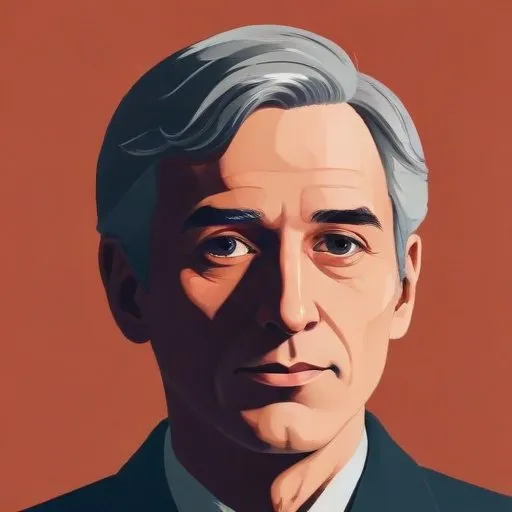
Robert Kurzban: The Evolutionary Psychologist Behind the Controversy
A Leading Figure in Evolutionary Psychology
Robert Kurzban is a renowned American freelance writer and former psychology professor, best known for his contributions to the field of evolutionary psychology. His research has centered on understanding human social behavior through the lens of evolution, examining the adaptive functions of psychological mechanisms in human social life.
Academic Background and Career Highlights
Kurzban was trained by pioneers in the field, John Tooby and Leda Cosmides, and went on to become a tenured professor of psychology at the University of Pennsylvania. During his tenure, he served as the president of the Human Behavior and Evolution Society (HBES) and Editor-in-Chief of the society's journal, Evolution and Human Behavior. His research employed methods from social psychology, cognitive psychology, and experimental economics to explore topics such as morality, punishment, and mate choice.
Prominent Works and Publications
Some of Kurzban's notable publications include:
- "The Hidden Agenda of the Political Mind: How Self-Interest Shapes Our Opinions and Why We Won't Admit It" (2014), co-authored with Jason Weeden
- "A Solution to the Mysteries of Morality" (2013), published in Psychological Bulletin
Defense of Evolutionary Psychology
Kurzban has been an active defender of evolutionary psychology, a discipline that has faced criticism from various detractors. He has worked to clarify the principle of cognitive modularity, a central concept in the field.
Controversy and Resignation
In 2018, Kurzban resigned from his position at the University of Pennsylvania following allegations of inappropriate relationships with undergraduate students. As a result, he was dismissed as director of the department's honors program, president of HBES, and Editor-in-Chief of Evolution and Human Behavior.
Life as a Freelance Writer
Since his resignation, Kurzban has worked as a freelance writer, continuing to contribute to the field of evolutionary psychology through his writing.
Philosophical Contributions and Beliefs
Kurzban's work takes an adaptationist view of human psychology, focusing on the survival value of traits adopted by humans. His research aims to understand the functions of psychological mechanisms in human social life.
Legacy and Impact
Despite the controversy surrounding his resignation, Kurzban's contributions to evolutionary psychology remain significant. His work has shaped our understanding of human social behavior and continues to influence the field.
FAQ
Who is Robert Kurzban and what is his expertise?
Robert Kurzban is an American author and professor, known for his work on evolutionary psychology and cognitive science.
What books has Robert Kurzban written?
Robert Kurzban has written several books, including Why Everyone (Else) Is a Hypocrite and The Hidden Pattern.
What is Robert Kurzbans research focus?
Robert Kurzbans research focuses on the relationship between evolution, morality, and the human mind.
How did Robert Kurzban get his start in academia?
Robert Kurzban began his career as a researcher at the University of California, Santa Barbara, and later became a professor at the University of Pennsylvania.
What is Robert Kurzban doing now?
Robert Kurzban continues to teach and research at the University of Pennsylvania, and is a frequent commentator on issues related to evolutionary psychology.