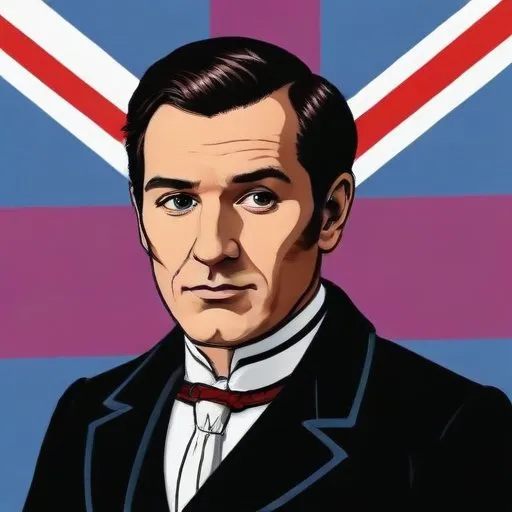
Robert Liston: The Speed Demon of Surgery
A Trailblazer in the Era of Painful Operations
Robert Liston is renowned for his remarkable speed and skill in the operating room, particularly during an era when anaesthetics were non-existent, and every minute counted in terms of pain and survival. He made history by performing the first public operation utilizing modern anaesthesia in Europe, revolutionizing the field of surgery.
Early Life and Education
Born on October 28, 1794, in the manse of Ecclesmachan, Scotland, Liston was the son of Reverend Henry Liston, a clergyman and inventor, and Margaret Ireland from Culross. His grandfather, also Robert Liston, was the Moderator of the General Assembly of the Church of Scotland. Liston's early education was under his father and in Abercorn village school, followed by studies at Edinburgh Medical School from 1808. He later became assistant to his tutor, Dr.
John Barclay, and in 1816, he spent a year training under William Blizard in London.
Medical Career and Achievements
Liston's medical career was marked by several notable milestones. In 1818, he became the house surgeon in The Royal Infirmary of Edinburgh under Dr.
George Bell, although his tenure was cut short due to disagreements with Bell in 1822. He was reinstated in 1827 and eventually promoted to operating surgeon in 1828. During this period, he also taught anatomy alongside James Syme and was the first "Northern Anatomist" of Blackwoods Magazine.
The Pioneering Operation
In 1842, Liston performed the first public operation utilizing modern anaesthesia in Europe, a milestone that marked a significant shift in the medical landscape. This groundbreaking procedure took place at University College Hospital in London, where he was the first Professor of Clinical Surgery.
Awards and Honors
Liston's contributions to the field of surgery were recognized with several awards and honors. He was elected as a fellow of the Royal College of Surgeons of Edinburgh in 1819 and later became a fellow of the Royal College of Surgeons of England in 1823.
Personal Life and Later Years
Liston married the daughter of Adam Crawford, a Leith wine merchant, in 1820. He lived in Edinburgh's New Town before relocating to London, where he spent the last seven years of his life at 5 Clifford Street, off Bond Street in Mayfair.
Legacy and Impact
Robert Liston's pioneering work in surgery paved the way for future generations of surgeons. He demonstrated the importance of speed and skill in the operating room, even in the absence of anaesthetics. His legacy continues to inspire and influence the medical community to this day.
- Timeline:
- 1794: Born on October 28
- 1808: Began studying at Edinburgh Medical School
- 1816: Trained under William Blizard in London
- 1818: Became house surgeon in The Royal Infirmary of Edinburgh
- 1820: Married the daughter of Adam Crawford
- 1822: Dismissed from The Royal Infirmary of Edinburgh
- 1827: Reinstated at The Royal Infirmary of Edinburgh
- 1828: Promoted to operating surgeon
- 1842: Performed the first public operation utilizing modern anaesthesia in Europe
- 1847: Died on December 7
FAQ
Who was Robert Liston and what were his contributions to surgery?
Robert Liston was a Scottish surgeon who made significant contributions to the field of surgery. He was known for his innovative techniques, speed, and accuracy in the operating room.
What were Robert Listons most notable surgical innovations?
Robert Liston developed several new surgical techniques, including the use of ether anesthesia and the removal of cataracts. He also designed new surgical instruments and improved existing ones.
How did Robert Listons teaching style impact surgical education?
Robert Liston was a dedicated teacher who emphasized the importance of hands-on training and observation. He trained many prominent surgeons and helped establish surgery as a respected medical discipline.
What was Robert Listons role in the development of antiseptic surgery?
Robert Liston was a pioneer in antiseptic surgery, recognizing the importance of cleanliness and hygiene in preventing infection. He worked with Joseph Lister to develop antiseptic practices that revolutionized the field of surgery.
How is Robert Liston remembered in the history of surgery?
Robert Liston is remembered as a pioneering surgeon who made significant contributions to the development of modern surgery. His innovative techniques, teaching style, and emphasis on antiseptic practices have had a lasting impact on the field.