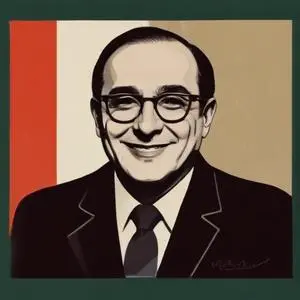
Roberto Rossellini: The Visionary of Italian Neorealism
A Pioneering Film Director, Screenwriter, and Producer
Roberto Rossellini was a renowned Italian film director, screenwriter, and producer, best known for his pivotal role in shaping the Italian neorealist cinema movement. With iconic films like
Rome, Open City (1945),
Paisan (1946), and
Germany, Year Zero (1948), Rossellini left an indelible mark on the world of cinema.
Early Life and Influences
Born on May 8, 1906, in Rome, Italy, Rossellini grew up in a family with a strong affinity for the arts. His mother, Elettra Bellan, was a housewife, and his father, Angiolo Giuseppe Peppino Rossellini, owned a construction firm. Rossellini's father built the first cinema in Rome, the Barberini, which granted his son an unlimited free pass, allowing him to develop a deep passion for cinema from an early age.
The Making of a Mastermind
Before venturing into filmmaking, Rossellini worked in film soundmaking and explored various ancillary jobs related to film creation, gaining competence in each field. This hands-on experience laid the foundation for his future success as a director. In 1937, Rossellini shot his first film,
Prélude à l'après-midi d'un faune, which, although possibly unreleased and later lost, marked the beginning of his cinematic journey.
The Italian Neorealist Movement
Rossellini's most notable contribution to cinema was his role in shaping the Italian neorealist movement. This cinematic movement, characterized by its focus on realistic, everyday life, and social issues, revolutionized the film industry in the mid-20th century. Rossellini's films, such as
Rome, Open City and
Paisan, captured the essence of neorealism, depicting the struggles and hardships faced by ordinary people during World War II.
Awards and Accolades
Rossellini's groundbreaking work did not go unnoticed. He received numerous awards and accolades, including the Grand Prix at the 1946 Cannes Film Festival for
Rome, Open City, and the Golden Lion at the 1950 Venice Film Festival for
The Flowers of St. Francis.
Collaborations and Controversies
Rossellini's collaborations with actress
Ingrid Bergman led to some of his most notable films, including
Stromboli (1950),
Europe '51 (1952), and
Journey to Italy (1954). However, their romantic relationship and marriage sparked controversy, leading to Bergman's estrangement from the film industry and the Catholic Church.
Legacy and Impact
Rossellini's influence on modern cinema is undeniable. His neorealist films paved the way for future generations of filmmakers, inspiring directors like
Martin Scorsese and
Francis Ford Coppola. His emphasis on realistic storytelling and social commentary continues to resonate with audiences today.
Personal Life and Later Years
Rossellini passed away on June 3, 1977, leaving behind a legacy that continues to inspire filmmakers and cinephiles alike. Despite his passing, Rossellini's films remain a testament to his vision and creativity, ensuring his place as one of the most prominent directors in the history of cinema.
- Rome, Open City (1945)
- Paisan (1946)
- Germany, Year Zero (1948)
- Stromboli (1950)
- Europe '51 (1952)
- Journey to Italy (1954)
Roberto Rossellini's cinematic legacy continues to inspire and influence filmmakers, solidifying his place as a true pioneer of Italian neorealism.
FAQ
Who is Roberto Rossellini and what is his significance in Italian neorealism?
Roberto Rossellini was an Italian director and screenwriter, known as one of the pioneers of Italian neorealism, a film movement that focused on depicting the harsh realities of everyday life. His films often explored themes of social justice, war, and human relationships.
What were some of Rossellinis most famous films?
Rossellinis most famous films include Rome, Open City (1945), Paisan (1946), and Germany Year Zero (1948), which are considered some of the most influential films of the neorealist movement. He also directed Stromboli (1950), starring Ingrid Bergman, with whom he had a romantic affair.
What awards did Rossellini win for his directing?
Rossellini won numerous awards for his directing, including the Grand Prix du Festival at the 1946 Cannes Film Festival for Rome, Open City. He also received a special award from the Academy of Motion Picture Arts and Sciences in 1953 for his contributions to the art of filmmaking.
What was Rossellinis legacy in world cinema?
Roberto Rossellinis films have had a profound influence on world cinema, inspiring directors such as Vittorio De Sica, Federico Fellini, and Martin Scorsese. His neorealist style has also influenced filmmakers in other countries, including India, Brazil, and France.
What was Rossellinis personal life like?
Rossellinis personal life was marked by romantic affairs with actresses, including Ingrid Bergman, with whom he had a son, Renzo Rossellini. He was also known for his politically charged views, which often influenced his filmmaking style and themes.