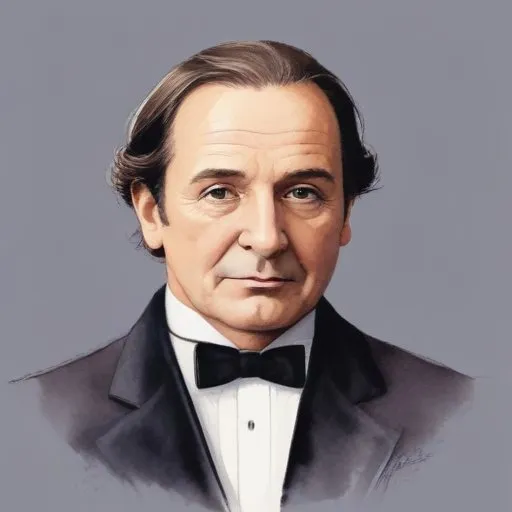
Roger Dsormire: The Maestro of French Music
A Champion of Contemporary Composers
Roger Dsormire was a renowned French conductor, celebrated for his unwavering support of contemporary composers and his exquisite interpretations of early 18th-century French music. Through his remarkable career, he left an indelible mark on the world of classical music, collaborating with some of the most iconic figures of the time.
Early Life and Education
Born on September 13, 1898, in Vichy, France, Dsormire embarked on his musical journey at the prestigious Paris Conservatoire. Under the guidance of esteemed professors such as Philippe Gaubert, Xavier Leroux,
Charles Koechlin, and
Vincent d'Indy, he honed his skills in flute, composition, and conducting.
Rise to Prominence
Dsormire's conducting career took off in the 1920s, when he became associated with the Ballets sudois and
Sergei Diaghilev's Ballets Russes. This collaboration led to him conducting premieres of iconic works, including Relche, Barabau, The Prodigal Son, Le pas dacier, and La Chatte.
A Cinematic Legacy
In the 1930s, Dsormire ventured into film music, composing scores for movies such as La Rgle du jeu, Le Mariage de Chiffon, and Le Voyageur de la Toussaint. He also conducted orchestras for over 20 films, including Partie de campagne, Remorques, La Belle et la bte, and La Beaut du diable.
A Significant Recording
During the Nazi occupation of Paris, Dsormire made a groundbreaking recording of
Claude Debussy's opera Pellas et Mlisande. This monumental project, undertaken between April 24 and May 26, 1941, resulted in a 20-record set released in January 1942.
Personal Life and Beliefs
Dsormire was an active member of the French Communist Party and a close friend of Maurice Thorez. During the occupation, he participated in the Front National des Musiciens, demonstrating his commitment to the arts and his community.
Legacy and Impact
Roger Dsormire's remarkable career left an enduring legacy in the world of classical music. Through his tireless promotion of contemporary composers and his interpretations of French masterpieces, he paved the way for future generations of musicians and conductors.
- "Music is the melody of the human spirit." – Roger Dsormire
Awards and Honors
Dsormire received the prestigious Prix Blumenthal in 1922, a testament to his exceptional talent and dedication to music.
In Memoriam
Roger Dsormire passed away on October 25, 1963, leaving behind a rich cultural heritage that continues to inspire and enchant audiences worldwide.
FAQ
What was Roger Désormières contribution to French music?
Roger Désormières contribution to French music was significant. He was a conductor and composer who played a crucial role in shaping the course of French music in the 20th century.
What was Roger Désormières role in the development of modern orchestral music?
Roger Désormières role in the development of modern orchestral music was significant. He was a pioneer of modern orchestral music, and his compositions and performances helped to shape the course of modern classical music.
How did Roger Désormières music reflect his personal style?
Roger Désormières music reflected his personal style, which was characterized by a sense of elegance, refinement, and sophistication. His compositions were known for their lyricism and complexity.
What was Roger Désormières legacy in the world of music?
Roger Désormières legacy in the world of music is that of a master conductor and composer. He was a true original, and his music continues to inspire generations of musicians today.
How has Roger Désormières work been recognized?
Roger Désormières work has been recognized through various awards and honors. He was appointed an Officer of the Legion of Honor in 1961.