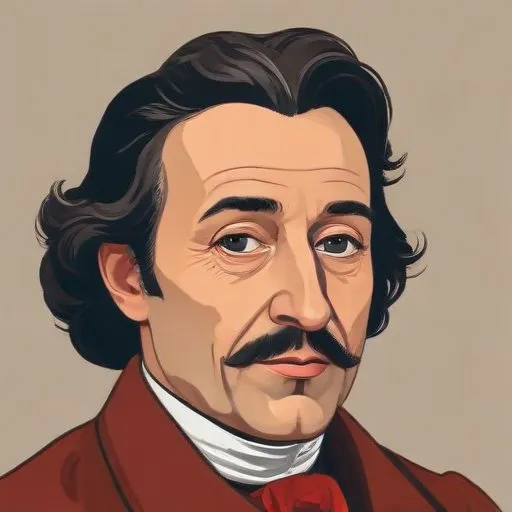
Vincent d'Indy: A Maestro of French Music
A Pioneering Composer and Teacher
Vincent d'Indy was a renowned French composer and teacher, celebrated for his profound influence on the development of French music in the late 19th and early 20th centuries. As a cofounder of the Schola Cantorum de Paris and a teacher at the Paris Conservatoire, d'Indy shaped the musical landscape of his time, mentoring some of the most prominent composers of the era.
Early Life and Inspirations
Born on March 27, 1851, in Paris, into an aristocratic family of royalist and Catholic persuasion, d'Indy's early life was steeped in music. He received piano lessons from his paternal grandmother and later from Antoine Franois Marmontel and Louis Dimer. His encounter with Berlioz's treatise on orchestration at the age of 16 sparked his desire to become a composer.
Studies and Mentorship
D'Indy's talent was recognized by Csar Franck, who became his mentor and guide. Under Franck's tutelage, d'Indy honed his compositional skills, studying harmony with
Albert Lavignac and later joining Franck's organ class at the Conservatoire de Paris. This mentorship had a lasting impact on d'Indy's style, which was characterized by a blend of French and German influences.
Teaching and Legacy
D'Indy's pedagogical prowess was instrumental in shaping the careers of numerous prominent composers, including Albric Magnard,
Albert Roussel,
Arthur Honegger,
Darius Milhaud, Yvonne Rokseth,
Erik Satie, and even
Cole Porter. His teaching philosophy emphasized the importance of understanding the historical context of music, and his students benefited from his vast knowledge and expertise.
Compositional Style and Works
D'Indy's compositions span a wide range of genres, including symphonies, orchestral works, chamber music, and choral pieces. His style was marked by a strong sense of nationalism, reflecting his admiration for French folk music and his desire to create a distinctly French musical identity. Some of his notable works include the Symphonie italienne, the Symphonie sur un thème montagnard français, and the opera Fervaal.
Influence on Modern Society
D'Indy's contributions to French music extended beyond his compositions and teaching. He played a crucial role in promoting the works of French composers, both past and present, and was instrumental in establishing the Schola Cantorum de Paris as a hub for musical education and innovation.
Personal Life and Milestones
D'Indy's life was marked by significant personal and professional milestones. During the Franco-Prussian War, he enlisted in the National Guard, later returning to musical life after the hostilities ceased. He also served as chorusmaster to the Concerts Colonne and participated in various musical organizations, solidifying his reputation as a dedicated and passionate musician.
Philosophical Contributions and Beliefs
D'Indy was deeply committed to the preservation and promotion of French musical heritage. He believed in the importance of understanding the historical context of music and advocated for the development of a distinctly French musical identity, separate from German influences.
Trivia and Fun Facts
- D'Indy was known for his exceptional piano skills, often accompanying his students during their performances.
- He was an avid collector of rare music manuscripts and scores, which he used to educate his students.
- D'Indy's home, located on the Rue de la Villa, became a hub for musical gatherings and salons, hosting some of the most prominent musicians of the time.
Legacy and Impact
Vincent d'Indy's legacy continues to resonate in the world of French music. His contributions as a composer, teacher, and promoter of French musical heritage have left an indelible mark on the music landscape. As a testament to his enduring influence, d'Indy remains one of the most celebrated and revered figures in French musical history.
FAQ
What was Vincent dIndys contribution to French music?
Vincent dIndy was a prominent French composer and educator, credited with helping to establish the Schola Cantorum de Paris, a leading music institution that promoted traditional and contemporary French music.
What style of music did Vincent dIndy compose?
Vincent dIndy composed music in a range of styles, including opera, symphonic music, and chamber music, characterized by his use of modal harmony and counterpoint.
What was Vincent dIndys role in French musical education?
Vincent dIndy was a dedicated educator, teaching at the Schola Cantorum de Paris and inspiring a generation of French composers, including Albert Roussel and Darius Milhaud.
What were Vincent dIndys most famous works?
Vincent dIndys most famous works include his operas, such as Fervaal and LEtranger, as well as his symphonic poem Istar and his chamber music pieces.
How is Vincent dIndy remembered in French cultural history?
Vincent dIndy is remembered as a leading figure in French music, his legacy continuing to influence French composers and musicians to this day.