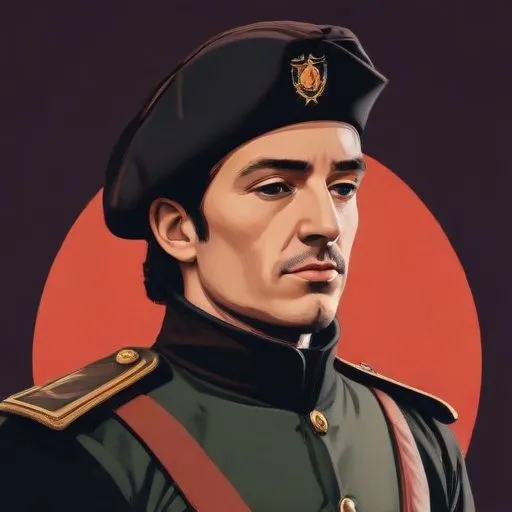
Roland Leighton: The Poet-Soldier of World War I
Introduction
Roland Leighton, a British poet and soldier, is best known for his poignant wartime poetry and his tragic fate, which was immortalized by his fiancée Vera Brittain's memoir,
Testament of Youth. Although his life was cut short, Leighton's literary legacy continues to inspire and move readers to this day.
Early Life and Education
Leighton was born on March 27, 1895, to Robert Leighton and Marie Connor, both writers in their own right. His childhood was marked by a love for literature and the classics, which was nurtured by his parents. He attended Uppingham School, where he excelled as a classical scholar and developed a passion for poetry. Leighton's ambition was to one day become the editor of a national newspaper.
Friendships and Romance
At Uppingham, Leighton formed close bonds with his friends Edward Brittain and Victor Richardson, whom his mother affectionately referred to as the "three musketeers." It was through Edward that Leighton met his sister Vera, with whom he would fall deeply in love. Their romance was marked by Leighton's poetic expressions of love and devotion, which Vera would later publish in her memoir.
War and Poetry
When World War I broke out, Leighton was driven by a sense of patriotism, honor, and duty to enlist. He saw war as an opportunity to prove himself and make a name for himself as a poet. Leighton's poetry during this period is characterized by its intense emotion and vivid descriptions of war. His poems express a deep sense of sadness, fear, and longing, which resonated with many who were experiencing the war firsthand.
Legacy and Impact
Roland Leighton's life was tragically cut short when he died on December 23, 1915, at the age of 20. However, his legacy lived on through his poetry and Vera Brittain's memoir, which has been translated into numerous languages and has inspired several adaptations. Leighton's poetry continues to be celebrated for its beauty, intensity, and historical significance. It stands as a testament to the devastating effects of war and the enduring power of love and art.
Influence on Modern Society
Leighton's poetry and story have had a lasting impact on modern society. His work has inspired generations of writers, poets, and artists. His story has also highlighted the devastating consequences of war and the importance of preserving the literary heritage of those who have been lost.
Quotes and Memorable Sayings
- "The world is grown too loud and rude / For gentle folk to sleep in peace."
- "Now, in the silence of the winter night / I hear the snowflakes falling, slow and light."
- "And if I should not return / Remember, dear, I'll still be yours, until the end."
Historical Context and Legacy
Roland Leighton's poetry and story are inextricably linked to the events of World War I. His work provides a unique insight into the experiences of those who fought and died during this conflict. His legacy serves as a reminder of the devastating consequences of war and the importance of preserving the cultural heritage of those who have been lost.
FAQ
What was Roland Leightons most famous poem?
Roland Leightons most famous poem is Vilcabamba, a beautiful and haunting work that explores themes of love, loss, and the human condition.
What was Roland Leightons role in the development of British poetry?
Roland Leighton was a promising young poet who played a key role in shaping the development of British poetry in the early 20th century. His work was influenced by the Romantic and Victorian traditions, but also exhibited a modernist bent.
What is Roland Leightons legacy in British literature?
Roland Leightons legacy in British literature is that of a talented and promising young poet whose life was cut short by war. His work continues to be admired and studied, and he is remembered as a tragic figure of the Lost Generation.
How did Roland Leightons experiences in World War I influence his poetry?
Roland Leightons experiences in World War I greatly influenced his poetry, shaping his perspectives on the human condition, mortality, and the futility of war.
What is the significance of Roland Leightons relationship with Vera Brittain?
Roland Leightons relationship with Vera Brittain is significant because it was a deep and abiding love that inspired some of Brittains most famous writings, including Testament of Youth. The couples tragic fate has become a symbol of the devastating effects of war on individual lives.