


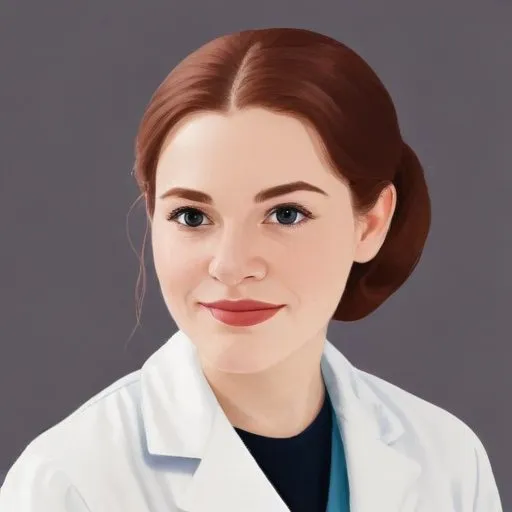
A pioneering microbiologist and academic who made significant contributions to the field of bacteriology, particularly in the study of anaerobic bacteria and antibiotic resistance.
Rosalinde Hurley, a distinguished British physician, microbiologist, pathologist, and ethicist, left an indelible mark on the medical community through her remarkable contributions to public health, medical administration, and ethics. With a career spanning over four decades, Hurley was a pioneer in her field, known for her groundbreaking research, exceptional leadership, and unwavering commitment to improving healthcare.
Born on December 30, 1929, in England to a Roman Catholic family, Hurley's early education took place at the Academy of the Assumption in Massachusetts, where she was evacuated during World War II. She returned to England in 1948 and pursued medicine at Charing Cross Hospital Medical School, simultaneously studying law. This unique combination of interests and skills would later define her extraordinary career.
Hurley's impressive career was marked by numerous achievements, including her appointment as Consultant Microbiologist at Queen Charlotte's Hospital (1963-1995) and Professor of Microbiology at London University (1973-1975). She served as a board member of the Public Health Laboratory Service (PHLS) and Chairman of the Medicines Commission (1982-1993), demonstrating her exceptional leadership and administrative skills.
Her research focus on microbiology and public health led to significant contributions to the field, earning her the prestigious C. ver Heyden de Lancey prize in 1991. As a professor and consultant medical microbiologist, Hurley's work had a profound impact on the understanding and treatment of infectious diseases.
Hurley's unique blend of medical and legal expertise enabled her to approach ethics in medicine from a distinct perspective. Her work on medical ethics, particularly in the areas of public health and microbiology, continues to influence healthcare policies and decision-making processes. Her commitment to improving healthcare was rooted in her strong Catholic faith, which guided her professional and personal life.
Hurley's remarkable achievements were recognized through various honors, including her knighthood in 1988 for her services to medicine and public health. She was also awarded the Gilchrist Prize and the Churton Collins Prize in Literature during her time as a preregistration house officer.
Rosalinde Hurley's extraordinary career serves as a testament to her unwavering dedication to improving healthcare and promoting medical ethics. Her pioneering spirit, leadership, and groundbreaking research have left a lasting impact on the medical community, inspiring future generations of healthcare professionals.
Born in 1881
Discovered penicillin, a revolutionary antibiotic, and pioneered its use in medicine. This breakthrough has saved countless lives and transformed the field of healthcare.
Born in 1910
A pioneering scientist who deciphered the structures of biomolecules like insulin and vitamin B12, revolutionizing our understanding of biology and medicine.
Born in 1898
A high-ranking officer in the German Wehrmacht during World War II, known for his involvement in the July 20 plot to assassinate Adolf Hitler.
Born in 1918
Developed techniques for sequencing DNA and proteins, revolutionizing molecular biology and earning two Nobel Prizes in Chemistry.
Born in 1916
Pioneering scientist who discovered the structure of DNA, revolutionizing our understanding of genetics and life itself.
