


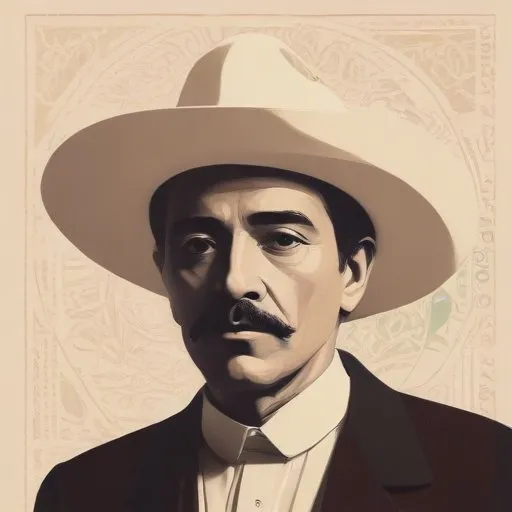
A prominent figure in Mexican literature, known for his avant-garde poetry and plays that explored themes of love, identity, and social critique. His work continues to influence contemporary Mexican writers and artists.
Salvador Novo, a Mexican writer, poet, playwright, translator, television presenter, and entrepreneur, was a prominent figure in Mexican literature and society. He is best known for his contributions as the official chronicler of Mexico City, a position he held for life, and for being a member of the prestigious Mexican modernist writers group, Los Contemporneos.
Born on July 30, 1904, in Mexico City, Novo was raised in a family of intellectuals and was drawn to literature and the arts from an early age. He began his writing career in the 1920s, publishing his first book of poetry, Pequeño tocador de música, in 1923.
As a member of Los Contemporneos, a group of influential Mexican writers and intellectuals, Novo played a significant role in shaping Mexican literature and culture. His work was characterized by its lyricism, wit, and intellectual depth, and he was known for his innovative use of language and form.
Some of his notable literary works include Novelina (1934), La estatua de sal (1936), and Fabulas y leyendas (1944). He was also a prolific translator, rendering works by authors such as Shakespeare, Wilde, and Gide into Spanish.
In addition to his literary pursuits, Novo was a pioneer in Mexican television. He hosted a popular television program, México y sus problemas, which explored Mexico's history and cultural heritage. His charismatic on-screen presence and engaging storytelling made him a beloved figure in Mexican media.
Novo was openly homosexual, a rarity in conservative Catholic Mexico, and was known for his flamboyant style and wit. Despite facing discrimination and prejudice, he remained a respected figure in Mexican society, and his legacy continues to inspire generations of writers, artists, and intellectuals.
Novo's contributions to Mexican literature and culture are immeasurable. He played a crucial role in shaping the country's cultural identity and was a vocal advocate for intellectual freedom and creativity.
His legacy extends beyond literature and media to the realm of politics and society. He was a symbol of tolerance and acceptance in a country where LGBTQ+ individuals faced discrimination and persecution.
Today, Salvador Novo is remembered as a true icon of Mexican culture, a brilliant writer, and a champion of intellectual freedom and creativity.
Born in 1914
A Mexican poet and diplomat who won the Nobel Prize in Literature in 1990 for his work that explores the intersection of poetry, philosophy, and politics. He's known for his lyrical and introspective style that explores the human condition.
Born in 1904
A Chilean poet and diplomat who wrote passionate and evocative poetry that explored love, politics, and the human condition, and was awarded the Nobel Prize in Literature in 1971.
Born in 1898
A Spanish poet, playwright, and director who explored themes of love, death, and Spanish culture through his works, including the famous play "Blood Wedding".
Born in 1902
A Spanish poet and playwright celebrated for his avant-garde style and powerful anti-fascist writings, which greatly influenced 20th-century Spanish literature.
Born in 1898
A Spanish poet and author, celebrated for his surreal and introspective works that explored the human condition, earning him the Nobel Prize in Literature in 1977.
Born in 1864
A Spanish philosopher and author who explored the human condition, faith, and the search for meaning in life, creating influential works that continue to resonate with readers today.
Born in 1875
A leading figure in Spanish literature, known for his innovative and influential poetry that explored themes of love, nature, and the human condition. His works are considered a bridge between modernism and the Generation of '27.
Born in 1899
A visionary writer who crafted intricate, philosophical tales that blurred reality and fantasy, influencing generations of authors and thinkers. 82
