


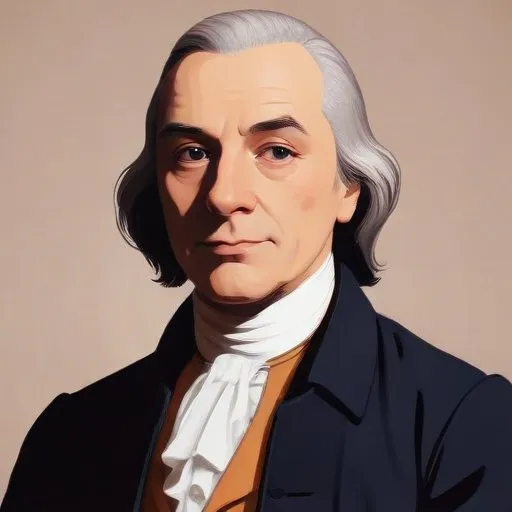
American composer and educator who wrote music for various instruments and taught at the Boston Academy of Music, contributing to the development of American music in the early 19th century.
Samuel Adams Holyoke, a multifaceted American composer, teacher, and music instructor, left an indelible mark on the country's musical landscape. With a staggering portfolio of over 700 compositions, including psalm tunes, anthems, and occasional pieces, Holyoke's contribution to American music is nothing short of phenomenal.
Born on October 15, 1762, in Boxford, Massachusetts, Holyoke was the son of Rev. Elizur Holyoke and Hannah Peabody. His family's strong emphasis on education laid the foundation for his future success. After completing his preparatory training at Phillips Academy, Andover, Holyoke matriculated at Harvard College in 1786, where he honed his musical skills.
Holyoke's musical prowess was evident even before his graduation from Harvard in 1789. During 1789-1790, he contributed four secular compositions to Isaiah Thomas's Massachusetts Magazine. This was just the beginning of his prolific career as a composer. Some of his notable publications include:
In addition to his compositional prowess, Holyoke was a dedicated teacher and music instructor. He helped found Groton Academy in Groton, Massachusetts, and served as its first headmaster in 1793. Later, he taught music at Phillips Academy from 1810 to 1818. Despite his significant contributions to American music, Holyoke's work was largely forgotten after his death on February 7, 1820, in Concord, New Hampshire.
However, music historian George Hood aptly summed up Holyoke's importance: "There was no man of his day that did more for the cause of music than Samuel Holyoke." His legacy serves as a testament to the power of music to transcend time and inspire future generations.
Born in 1792
Pioneering music educator and composer who introduced European classical music to American schools, shaping the country's musical heritage.
Born in 1685
A renowned Baroque composer and organist, famous for creating majestic orchestral suites, operas, and oratorios, including the iconic "Messiah" masterpiece.
Born in 1756
A child prodigy and master of classical music, he composed over 600 works, including symphonies, operas, and chamber music, that continue to inspire and influence musicians today.
Born in 1770
A musical genius who expanded the possibilities of classical music, creating iconic symphonies and piano sonatas that continue to inspire and influence generations of artists.
Born in 1797
A renowned composer of symphonies, operas, and chamber music, particularly famous for his emotional and expressive lieder (art songs) that showcased his mastery of melody and harmony.
Born in 1810
A renowned Romantic-era composer and influential music critic, known for his expressive and emotionally charged works, including symphonies, piano music, and art songs.
Born in 1833
A renowned pianist and composer, he crafted complex, expressive works that blended traditional and innovative techniques, leaving an indelible mark on classical music.
Born in 1840
A renowned Russian composer and educator, he is best known for his iconic and beloved ballets, such as Swan Lake and The Nutcracker, which continue to enchant audiences worldwide.
