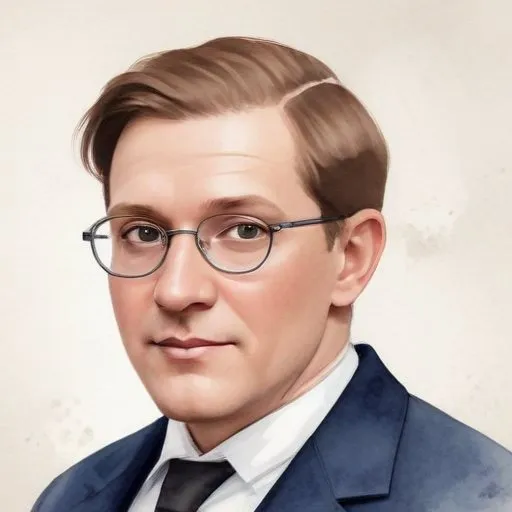
Samuel Cate Prescott: A Pioneer in Food Science and Microbiology
A Legacy of Food Safety and Public Health
Samuel Cate Prescott, a renowned American food scientist and microbiologist, is best known for his groundbreaking contributions to the development of food safety, food science, public health, and industrial microbiology. His remarkable work has had a lasting impact on the way we approach food production, processing, and consumption, ensuring a safer and healthier food supply for generations to come.
Early Life and Education
Born on April 5, 1872, in South Hampton, New Hampshire, Prescott was the younger of two children. He received his formal education in an ungraded schoolhouse in New Hampshire, followed by enrollment in the Sanborn Seminary in Kingston, New Hampshire, in 1888. It was here that he met Allyne L. Merrill, an 1885 MIT graduate who helped Prescott enroll at the Massachusetts Institute of Technology (MIT) in 1890.
Student Days at MIT
At MIT, Prescott majored in chemistry, where he was influenced by prominent instructors such as
James Mason Crafts,
Ellen Swallow Richards, and William Thompson Sedgwick. Sedgwick, who would later become the first president of the Society of American Bacteriologists (SAB), played a significant role in shaping Prescott's interests in bacteriology and microbiology. Prescott's senior research thesis, "Salt as Nutrients for Bacteria," demonstrated his growing expertise in the field.
Early Career and Breakthroughs
After graduating with a S.B. degree in chemistry in 1894, Prescott landed a position as an assistant chemist and biologist at the sewage treatment facility in Worcester, Massachusetts. This experience laid the foundation for his future work in food science and microbiology. With Sedgwick's guidance, Prescott began to make significant contributions to the field, including the development of new methods for testing food purity and safety.
Impact on Modern Society
Prescott's work has had a profound impact on modern society. His research and findings have led to the development of safer food production and processing practices, reducing the risk of foodborne illnesses and improving public health. His work has also influenced the creation of regulatory agencies and government policies aimed at ensuring food safety.
Awards and Honors
Throughout his career, Prescott received numerous awards and honors for his contributions to food science and microbiology. These include the Elliot Cresson Medal, awarded by the Franklin Institute, and the Charles Frederick Chandler Medal, awarded by Columbia University.
Personal Milestones and Key Life Events
Prescott's personal life was marked by a strong sense of curiosity and a passion for learning. He was known for his humility and kindness, earning the respect and admiration of his peers and colleagues. In 1962, Prescott passed away at the age of 90, leaving behind a legacy of groundbreaking research and a safer food supply for generations to come.
Philosophical Contributions and Beliefs
Prescott's work was guided by a strong commitment to public health and safety. He believed that science should be used to improve the human condition, and that the pursuit of knowledge should be driven by a sense of responsibility to society.
Legacy and Comparative Analysis
Prescott's contributions to food science and microbiology have been immense, and his work has had a lasting impact on the field. When compared to his contemporaries, Prescott's work stands out for its breadth and depth, demonstrating a remarkable ability to bridge the gap between science and practice.
Inspirational Stories and Motivations
Prescott's story serves as an inspiration to anyone passionate about making a difference through science. His dedication to improving public health and safety has left a lasting legacy, reminding us of the power of science to transform lives and communities.
Career Highlights and Major Works
- Development of new methods for testing food purity and safety
- Contributions to the creation of regulatory agencies and government policies aimed at ensuring food safety
- Research on the role of microbiology in food production and processing
- Awards and honors, including the Elliot Cresson Medal and the Charles Frederick Chandler Medal
Historical Context and Legacy
Prescott's work took place during a time of significant change and growth in the field of food science and microbiology. His contributions have had a lasting impact on the development of safer food production and processing practices, ensuring a healthier food supply for generations to come.