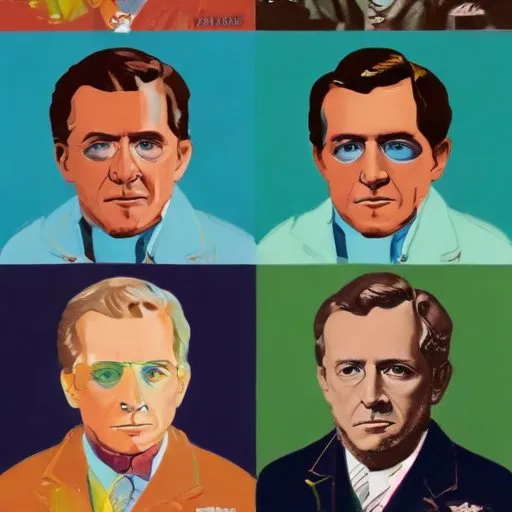
Samuel Gridley Howe: The Visionary Abolitionist and Pioneer of Education for the Blind
A Life Dedicated to Serve Humanity
Samuel Gridley Howe was a prominent American physician, abolitionist, and advocate for education for the blind, who left an indelible mark on human history. He is best known for organizing and directing the Perkins Institution, a pioneering school for the visually impaired, and his tireless efforts to improve the lives of freed slaves and refugees.
Early Life and Education
Born on November 10, 1801, in Boston, Massachusetts, Howe was the son of Joseph Neals Howe, a successful shipowner and rope manufacturer, and Patty Gridley Howe, considered one of the most beautiful women of her day. His grandfather, Edward Compton Howe, was a patriot who participated in the Boston Tea Party. Despite his family's prosperity, Howe's early life was marked by difficulties, including his father's business struggles and mistreatment at Boston Latin School.
A Surgeon in Greece
In 1824, Howe traveled to Greece to participate in the Greek War of Independence as a surgeon. During his time in Greece, he not only tended to the wounded but also commanded troops and arranged for support for refugees. He brought back many Greek children to Boston for their education, demonstrating his commitment to providing opportunities for the underprivileged.
Abolitionist and Advocate for Freedmen
Howe was a passionate abolitionist who worked tirelessly to improve the lives of freed slaves. He was appointed to the American Freedmen's Inquiry Commission, where he investigated conditions of freedmen in the South and recommended ways to aid them in their transition to freedom. He also traveled to Canada West (now Ontario, Canada), where thousands of former slaves had escaped to freedom, and interviewed freedmen as well as government officials.
Pioneering Work in Education for the Blind
Howe's most significant contribution was the establishment of the Perkins Institution, the first school for the blind in the United States. He served as its first director, dedicating himself to providing education and opportunities for the visually impaired. His work at Perkins Institution paved the way for the education of thousands of blind students and cemented his legacy as a pioneer in special education.
Personal Milestones and Key Life Events
- 1824: Traveled to Greece to participate in the Greek War of Independence
- 1832: Established the Perkins Institution for the Blind
- 1863: Appointed to the American Freedmen's Inquiry Commission
- January 9, 1876: Passed away at the age of 74
Legacy and Impact
Samuel Gridley Howe's tireless efforts to improve the lives of the visually impaired, freed slaves, and refugees have left a lasting impact on human history. His pioneering work in education for the blind has inspired generations of educators and paved the way for inclusive education. His commitment to abolition and social justice has made him a beacon of hope for those fighting for human rights.
Through his life's work, Howe demonstrated that education, compassion, and determination can overcome even the most daunting challenges, leaving behind a legacy that continues to inspire and empower people around the world.
FAQ
Who was Samuel Gridley Howe?
Samuel Gridley Howe was an American physician, abolitionist, and social reformer, committed to education and the welfare of marginalized communities. He was a pioneering figure in American social activism.
What was Samuel Gridley Howes role in the abolitionist movement?
Samuel Gridley Howe was an ardent abolitionist, working to end slavery and promote racial equality. He was a vocal critic of slavery and a strong advocate for the rights of African Americans.
What are Samuel Gridley Howes contributions to education?
Samuel Gridley Howe made significant contributions to education, advocating for accessible education for all, including the blind, deaf, and mentally disabled. He founded the Perkins School for the Blind and established other educational institutions.
What was Samuel Gridley Howes work in Greece and the Balkans?
Samuel Gridley Howe worked in Greece and the Balkans during the Greek War of Independence, providing humanitarian aid and promoting education and social reform. His work had a lasting impact on the region.
What is Samuel Gridley Howes legacy in social reform?
Samuel Gridley Howes legacy in social reform is profound, inspiring generations of social activists and reformers. His commitment to education, abolition, and social justice continues to shape American society today.