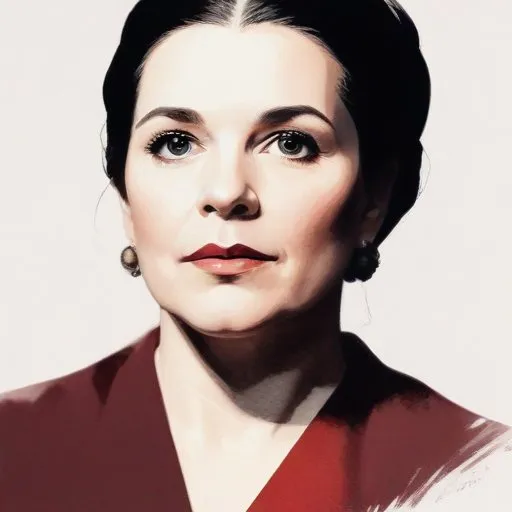
Sarah Caldwell: The Trailblazing Opera Conductor and Impresario
A Life Dedicated to Opera
Sarah Caldwell was a renowned American opera conductor, impresario, and stage director, best known for her innovative productions and daring interpretations of classic operas. As the first woman to conduct at the Metropolitan Opera in New York, Caldwell broke down barriers and paved the way for future generations of women in opera.
Early Life and Education
Born on March 6, 1924, in Maryville, Missouri, Caldwell grew up in Fayetteville, Arkansas. A child prodigy, she began performing publicly on the violin at the tender age of 10. She graduated from Fayetteville High School at 14 and went on to study at Hendrix College, graduating in 1944. Caldwell further honed her skills at the University of Arkansas and the New England Conservatory of Music.
Rise to Prominence
Caldwell's big break came in 1947 when she staged Vaughan Williams' "Riders to the Sea." This led to an 11-year stint as chief assistant to Boris Goldovsky. In 1952, she moved to Boston, Massachusetts, and became the head of the Boston University opera workshop. With a mere $5,000, she founded the Boston Opera Group in 1957, which would later evolve into the Opera Company of Boston.
Opera Company of Boston: A Legacy of Innovation
Under Caldwell's visionary leadership, the Opera Company of Boston became a hub for innovative productions and daring interpretations of classic operas. She was known for her bold approach to opera, often combining avant-garde elements with traditional works. Some of her most notable productions included "Le voyage de la lune," "Otello" with
Tito Gobbi as Iago, and "Manon" and "Faust" with
Beverly Sills and Norman Treigle.
- "Lulu" (U.S. East Coast premiere)
- "I puritani" with Dame Joan Sutherland
- "Intolleranza" (U.S. premiere)
- "Boris Godunov" (original version)
- "Hippolyte et Aricie" (U.S. stage premiere) with Plácido Domingo
- "La bohème" with Renata Tebaldi and Domingo
- "Moses und Aron" (U.S. premiere)
- "The Rakes Progress"
- "Bluebeard's Castle"
- "Carmen" with Marilyn Horne
- "Macbeth" (original version)
- "The Good Soldier Schweik"
- "The Fisherman and His Wife" (world premiere) with Muriel Costa-Greenspon
- "La finta giardiniera"
- "Norma" with Sills
- "Les Troyens"
- "Don Carlos" (U.S. premiere of original version)
Awards and Honors
Caldwell's contributions to opera were recognized with numerous awards and honors, including:
- Peabody Medal (1974)
- Opera News Award (1986)
- National Medal of Arts (1996)
Legacy
Sarah Caldwell's pioneering spirit and innovative approach to opera continue to inspire generations of opera lovers, conductors, and impresarios. Her legacy is a testament to the power of music to bring people together and transcend boundaries. As a true trailblazer, Caldwell's impact on the world of opera will forever be remembered.
FAQ
What is Sarah Caldwells contribution to opera?
Sarah Caldwell was a pioneering opera director, impresario, and stage director who made significant contributions to the world of opera, including creating innovative productions and promoting new talent.
What awards did Sarah Caldwell receive for her work?
Sarah Caldwell received numerous awards for her contributions to opera, including the National Medal of Arts, the Presidential Medal of Freedom, and multiple Emmy Awards.
How did Sarah Caldwell get started in opera?
Sarah Caldwell began her career in opera as a pianist and later became a stage director, eventually founding the Opera Company of Boston in 1958.
What was Sarah Caldwells approach to opera production?
Sarah Caldwell was known for her innovative and collaborative approach to opera production, often incorporating dance, drama, and visual arts into her productions.
What is Sarah Caldwells legacy in the world of opera?
Sarah Caldwells legacy in the world of opera is one of innovation, creativity, and dedication to promoting new talent and productions, inspiring future generations of opera directors and performers.