


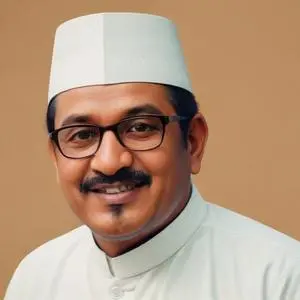
Led the Bengali nationalist movement, guiding Bangladesh to independence from Pakistan, and is revered as the "Father of the Nation" for his role in shaping the country's identity.
Sheikh Mujibur Rahman, fondly known as Bangabandhu, is revered as the Father of the Nation in Bangladesh for his unwavering dedication to the country's independence movement. As the leading figure in the struggle for Bengali sovereignty, Mujib successfully led the nation to independence from Pakistan in 1971, ending over two centuries of foreign rule.
Born on March 17, 1920, in Tungipara, Bengal Presidency, British India, Mujib was raised in a family of modest means. His early life was marked by a strong sense of nationalism, which was further fueled by the British colonial rule. As a student, Mujib was an active member of the All India Muslim League and later joined the Awami League, a liberal, secular, and left-wing faction.
In the 1950s, Mujib was elected to Pakistan's parliament, where he championed the rights of East Bengal, often donning suits and bowties, earning him the reputation of being urbane and charming. However, it was in the 1960s that Mujib transformed into the nationalist leader of East Pakistan, donning his trademark Mujib coat and showcasing his forceful oratory skills. He became a thorn in the side of the Pakistani regime, opposing political, ethnic, and institutional discrimination, and leading the 6-point autonomy movement.
In 1970, Mujib led the Awami League to a landslide victory in Pakistan's first general election. However, when the Pakistani military junta refused to transfer power, Mujib delivered his iconic 7th March speech, calling for an independence movement. This marked the beginning of the Bangladesh Liberation War, which would ultimately lead to the country's independence on December 16, 1971.
Tragically, Mujib's life was cut short on August 15, 1975, when he was assassinated, along with most of his family, in a military coup. Despite his untimely death, Mujib's legacy continues to inspire generations of Bangladeshis. He is remembered as a champion of democracy, a passionate orator, and a true son of the soil.
Mujib's political ideology, known as Mujibism, emphasized the importance of Bengali nationalism, democracy, and socialism. He believed in the power of the people and advocated for their rights and freedoms. His vision for Bangladesh was one of economic self-reliance, social justice, and equality.
Mujib's impact on modern society is profound. He inspired a generation of Bangladeshis to fight for their rights and demand democracy. His legacy continues to shape the country's politics, with many politicians drawing inspiration from his ideals. Mujib's struggle for independence also resonated with people across the world, earning him international recognition as a champion of freedom and democracy.
"The struggle now is the struggle for our freedom. The struggle now is the struggle for our independence. Joy Bangla!" - Sheikh Mujibur Rahman, 7th March speech, 1971
"This time, the struggle is for our freedom, this time the struggle is for independence." - Sheikh Mujibur Rahman, in a speech to the Bangladeshi people, 1971
Born in 1917
The first female Prime Minister of India, serving from 1966 to 1977 and again from 1980 until her assassination in 1984, known for her strong leadership and economic reforms.
98 Years Old
A charismatic leader who served as Pakistan's president and prime minister, known for his socialist and nationalist policies, and his role in developing Pakistan's nuclear program.
Born in 1873
A prominent lawyer and politician who played a key role in the Pakistan Movement and served as the country's Minister of Interior, known for his efforts to establish a separate homeland for Muslims in the Indian subcontinent.
Born in 1925
The first Prime Minister of Bangladesh, leading the country to independence from Pakistan in 1971, and playing a key role in shaping the nation's early years.
90 Years Old
Led the Bangladesh Liberation War, establishing Bangladesh as an independent nation, and implemented economic and political reforms. He's a national hero, revered for his role in shaping the country's identity.
