


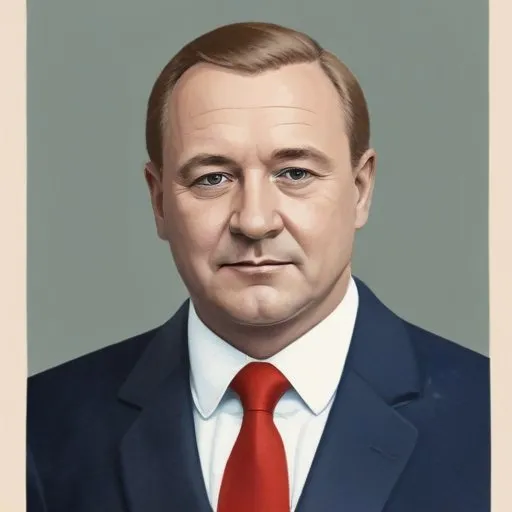
Founded the Lubin Manufacturing Company, a pioneering film studio and equipment manufacturer that played a significant role in the early development of the American film industry. Known for producing and distributing early silent films, cameras, and projectors.
Siegmund Lubin, born Zygmunt Lubszyski, was a trailblazing American motion picture pioneer who founded the Lubin Manufacturing Company, a Philadelphia-based film production and distribution company that operated from 1902 to 1917. Lubin's innovative spirit and entrepreneurial drive played a significant role in shaping the early days of American cinema.
Lubin was born on April 20, 1851, in Breslau, Kingdom of Prussia (now Wroclaw, Poland). His father, Samuel Lubszyski, a successful ophthalmologist, moved the family to Berlin soon after Lubin's birth. It was in Berlin that Lubin Germanicized the spelling of his first name to Siegmund. He later graduated from the University of Heidelberg and emigrated to the United States in 1876, settling in Philadelphia, where he worked as an optometrist.
Around 1881, Lubin shortened his surname from Lubszyski to Lubin. He soon began experimenting with photography and motion pictures, eventually creating his own camera and projector combination, which he sold. In 1896, he began distributing films for Thomas Edison, marking the beginning of his journey in the film industry.
In 1897, Lubin started making his own films, and in 1902, he founded the Lubin Manufacturing Company. The company flourished, producing over a thousand motion pictures during its operational period. However, Lubin's success was tainted by allegations of film piracy. He made illegal copies of many films by other directors, including those of Georges Méliès, making him one of the earliest practitioners of film piracy in the industry.
By 1910, the Lubin Manufacturing Company had built a state-of-the-art film studio, Lubinville, in Philadelphia. This marked the golden age of American cinema, with Lubinville becoming a hub for film production and innovation. The studio was known for its cutting-edge technology and talented workforce, producing some of the most iconic films of the era.
A devastating fire at the Lubinville studio in June 1914 destroyed the negatives of Lubin's unreleased films, dealing a significant blow to the company. The outbreak of World War I in 1914 further affected the company's foreign sales, leading to its eventual demise in 1917. Lubin returned to his optometry practice, but his legacy as a motion picture pioneer was cemented.
Siegmund Lubin's contributions to the development of American cinema are undeniable. His innovative spirit, entrepreneurial drive, and passion for filmmaking paved the way for future generations of filmmakers. Although his career was marked by controversy, Lubin's legacy serves as a testament to the power of creativity and perseverance in the face of adversity.
Siegmund Lubin's life was a testament to the power of innovation and perseverance. His remarkable journey, marked by triumphs and setbacks, continues to inspire filmmakers and entrepreneurs alike.
Born in 1847
A pioneer in innovation, credited with developing groundbreaking inventions that revolutionized the way people live and communicate, including the light bulb and phonograph.
Born in 1860
Pioneering filmmaker credited with inventing the first practical motion picture camera and producing the first film, "Blacksmith Scene." He paved the way for the development of modern cinema.
Born in 1830
Pioneering photographer and cinematographer who created the first motion pictures, capturing sequences of animal and human movement in a series of still images. Known for his groundbreaking work in motion photography and its influence on the development of film.
Born in 1861
A pioneer of special effects and narrative filmmaking, creating fantastical worlds and characters in early cinema, particularly in the science fiction and fantasy genres.
Born in 1867
Co-founder of Universal Studios, a pioneer in the American film industry, credited with creating the first Hollywood film studio and producing hundreds of silent films. Known for revolutionizing the film industry with innovative marketing and production techniques.
Born in 1875
Pioneering filmmaker behind groundbreaking silent movies, credited with developing innovative camera techniques and narrative storytelling styles.
Born in 1892
A pioneering actress, producer, and screenwriter who co-founded United Artists, revolutionizing the film industry with her creative vision and business acumen. She was a silent film star and one of the most popular actresses of her time.
