


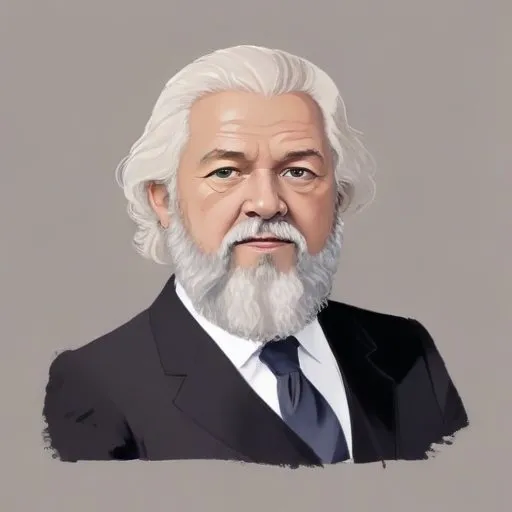
A pioneering African American entrepreneur and politician who broke racial barriers in the early 20th century, known for his innovative business ventures and civic leadership.
Socrates Nelson was a multifaceted individual who made a lasting impact on Minnesota's development as a businessman, politician, and pioneer. He served as a Minnesota State Senator from 1859 to 1861, leaving an indelible mark on the state's early years.
Born on January 11, 1814, in Conway, Massachusetts, to Socrates Nelson and Dorothy Boyden, Nelson's early life was shaped by his family's mercantile business. He attended Deerfield Academy in Greenfield, Massachusetts, before returning to his hometown to take over the family business.
In 1840, Nelson embarked on a prospecting tour to Illinois, where he met his future business partner, Levi Churchill. This marked the beginning of his journey to Minnesota, where he would eventually settle and make his mark. In 1844, Nelson traveled up the Mississippi River to the mouth of the St. Croix River, where he established himself as a general store owner, lumberman, and real estate speculator.
Nelson's involvement in politics began when he was part of the 1848 committee that petitioned the U.S. Congress to create the Minnesota Territory. He played a key role in the early organization of the Minnesota Democratic Party and held various positions, including county treasurer, territorial auditor, and county commissioner. In 1859, he was elected to the Minnesota Senate, where he served for two years.
After Nelson's passing in 1867 from tuberculosis, his achievements in Stillwater were memorialized. The Nelson School was named after him, and a plaque at the Washington County Historic Courthouse commemorates his sale of the land on which the courthouse was built.
Nelson's personal life was marked by his business partnership with Levi Churchill and his involvement in various companies in the insurance and rail industries. Despite his many accomplishments, Nelson's legacy is not without controversy, as he was involved in a failed bill to legalize bringing slaves into Minnesota temporarily during his tenure as a senator.
Nelson's contributions to Minnesota's development have had a lasting impact on the state's growth and progress. His involvement in the establishment of the Minnesota Territory and his role in shaping the state's early years have cemented his place in Minnesota's history.
Socrates Nelson's life serves as a testament to the power of hard work, determination, and vision. His legacy continues to inspire generations, and his story serves as a reminder of the importance of perseverance and community involvement.
Born in 1858
A pioneering leader who championed progressive reforms, trust-busting, and conservation, earning a Nobel Peace Prize for mediating the Russo-Japanese War. He's also famous for his rugged outdoorsmanship and "big stick" diplomacy.
Born in 1857
The 27th President of the United States was a lawyer and jurist who served as the only person to hold the offices of President and Chief Justice of the United States. He's known for his significant contributions to the country's judicial system.
Born in 1856
The 28th President of the United States, a Nobel Peace Prize winner, and a historian who played a key role in shaping international relations and global governance after World War I. He's most known for his idealistic vision of a League of Nations and his efforts to promote peace and diplomacy.
Born in 1865
The 29th President of the United States, a journalist-turned-politician, led the country through a period of post-war prosperity and scandalous corruption. He's infamous for his administration's numerous scandals and his own extramarital affairs.
Born in 1872
The 30th President of the United States, a lawyer and politician, led the country through a period of economic prosperity and limited government intervention, earning the nickname "Silent Cal" for his frugal and humble nature. He's most known for his minimalist approach to governance and tax cuts.
Born in 1874
The 31st President of the United States was a humanitarian and politician who led the country through the Great Depression and is known for his humanitarian efforts and infrastructure development. He's also infamous for his inability to mitigate the economic crisis.
Born in 1882
Led the United States through the Great Depression and World War II, implementing a series of reforms known as the New Deal and helping to establish the country as a global superpower.
Born in 1884
The 33rd President of the United States, a strong leader who made tough decisions, including dropping atomic bombs on Japan and establishing the Marshall Plan to rebuild Europe after WWII.
