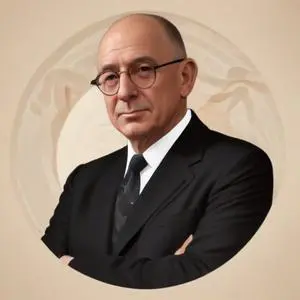
Solomon R. Guggenheim: The Visionary Art Collector and Philanthropist
A Legacy of Modern Art and Innovation
Solomon R. Guggenheim is renowned for establishing the Solomon R. Guggenheim Foundation and the Solomon R. Guggenheim Museum in New York City, one of the most iconic and influential modern art institutions in the world. As a prominent businessman, art collector, and philanthropist, Guggenheim's name has become synonymous with avant-garde art, innovative architecture, and cultural excellence.
Early Life and Family Ties
Born on February 2, 1861, in Philadelphia, Pennsylvania, Solomon R. Guggenheim was the son of Barbara Myers and Meyer Guggenheim, a wealthy mining family of Swiss Ashkenazi Jewish ancestry. He was one of seven siblings, including his brothers Simon, Benjamin, and Daniel, who would later play important roles in the family's business ventures.
Rise to Business Prominence
Guggenheim's entrepreneurial spirit was evident from an early age. After studying in Switzerland at the Concordia Institute in Zurich, he returned to the United States to work in the family mining business. In 1891, he successfully turned around the Compaia de la Gran Fundicin Nacional Mexicana, a struggling mining company in Mexico. This accomplishment marked the beginning of his remarkable business career, which would eventually take him to the Yukon Territory and Alaska, where he founded the Yukon Gold Company.
The Art of Collecting
Guggenheim's passion for art collecting began in the 1890s, with a focus on works by the old masters. However, it was his encounter with Baroness Hilla von Rebay in 1926 that sparked his interest in modern art. Under her guidance, Guggenheim began to acquire works by artists such as
Wassily Kandinsky, Rudolf Bauer,
Marc Chagall,
Fernand Léger, and
László Moholy-Nagy. In 1930, he started displaying his collection to the public at his apartment in the Plaza Hotel in New York City.
Fulfilling a Vision: The Solomon R. Guggenheim Foundation and Museum
In 1937, Guggenheim established the Solomon R. Guggenheim Foundation, with the goal of promoting modern art and fostering a deeper understanding of its cultural significance. Two years later, the Solomon R. Guggenheim Museum opened its doors to the public, featuring an innovative spiral design by architect
Frank Lloyd Wright. The museum quickly became a hub for avant-garde art, featuring works by some of the most visionary artists of the 20th century.
A Lasting Legacy
Solomon R. Guggenheim's impact on modern art and culture is immeasurable. Through his foundation and museum, he has inspired generations of artists, curators, and art enthusiasts. Today, the Solomon R. Guggenheim Museum is one of the most celebrated cultural institutions in the world, with locations in New York City, Bilbao, Venice, and Abu Dhabi.
Personal Milestones and Key Life Events
- 1861: Born on February 2nd in Philadelphia, Pennsylvania
- 1891: Turned around the Compaia de la Gran Fundicin Nacional Mexicana
- 1919: Retired from business to devote more time to art collecting
- 1926: Met Baroness Hilla von Rebay, who introduced him to modern art
- 1930: Began displaying his art collection to the public at the Plaza Hotel
- 1937: Established the Solomon R. Guggenheim Foundation
- 1939: Opened the Solomon R. Guggenheim Museum in New York City
- 1949: Passed away on November 3rd at the age of 88
Quotes and Memorable Sayings
"Art is the only thing that can make us forget our troubles, our worries, our fears, and our doubts."
Solomon R. Guggenheim's legacy continues to inspire and captivate audiences worldwide, a testament to his unwavering commitment to modern art and cultural innovation.
FAQ
What was Solomon R. Guggenheims role in the art world?
Solomon R. Guggenheim was an American businessman and philanthropist who played a significant role in the art world, particularly through his establishment of the Solomon R. Guggenheim Museum in New York City.
What is the significance of the Solomon R. Guggenheim Museum?
The Solomon R. Guggenheim Museum is one of the most important modern art museums in the world, known for its innovative architecture and its comprehensive collection of modern and contemporary art.
How did Guggenheims business career influence his philanthropy?
Guggenheims business career had a significant impact on his philanthropy, shaping his approach to giving and his vision for the museum. His business acumen informed his philanthropic efforts, allowing him to create a sustainable and impactful institution.
What was Guggenheims role in promoting modern art?
Guggenheim played a crucial role in promoting modern art, particularly through his support for avant-garde artists and his creation of the Museum of Non-Objective Painting (now the Solomon R. Guggenheim Museum).
How is Guggenheim remembered in the art world?
Solomon R. Guggenheim is remembered as a visionary philanthropist and patron of the arts, celebrated for his contributions to modern art and his legacy in establishing one of the worlds premier art museums.