


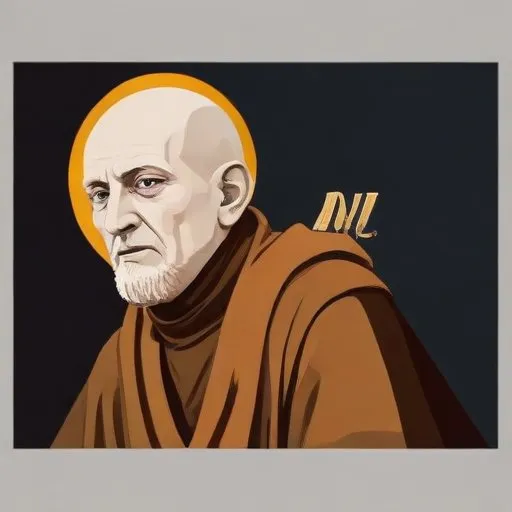
A 17th-century Polish monk, poet, and playwright who reformed the country's education system and wrote influential plays that shaped Polish literature. His works promoted Enlightenment values and social change.
Stanisław Konarski, a Polish pedagogue, educational reformer, and poet, is renowned for his pioneering efforts in modernizing the Polish education system during the 18th century. His innovative approaches and far-reaching reforms not only transformed the country's educational landscape but also had a profound impact on the broader European Enlightenment.
Born on September 30, 1700, in Żarczyce Duże, Konarski was originally named Hieronim Konarski. He pursued his studies at the Collegium Nazarenum in Rome from 1725 to 1727, where he became a teacher of rhetoric. This formative experience laid the foundation for his future endeavors in education reform.
Konarski's most significant contribution was the establishment of the Collegium Nobilium in Warsaw in 1740, an elite school for the sons of the gentry. This institution served as a model for modern education, emphasizing critical thinking, intellectual curiosity, and civic responsibility. He also initiated the creation of the first public reference library on the European mainland in Warsaw in 1747.
Konarski's reforms had a profound impact on Polish society, paving the way for the country's Enlightenment and laying the groundwork for future educational and political developments. His legacy extends beyond Poland, with his ideas influencing educational reformers across Europe.
Konarski was associated with prominent figures of the time, including King Stanisław Leszczyński and King Stanisław August Poniatowski, with whom he participated in famous Thursday dinners. The latter even struck a medal in his honor, featuring his likeness and the motto "Sapere auso" (Dare to know) from Horace.
Konarski's remarkable life and work serve as a testament to his unwavering commitment to education and his vision for a more enlightened and modern Poland.
“Sapere auso” (Dare to know), a motto that encapsulates Konarski's philosophy on the pursuit of knowledge and critical thinking.
Through his remarkable achievements, Stanisław Konarski has left an indelible mark on Polish history, cementing his status as a pioneering educational reformer and a champion of the Enlightenment spirit.
Born in 1554
A 16th-century Jesuit theologian who wrote influential works on moral theology, particularly on the concept of probabilism, which allowed for greater flexibility in moral decision-making.
Born in 1540
A 16th-century Swiss theologian who played a key role in shaping the Reformed tradition, contributing to the development of Calvinism and leaving a lasting impact on Christian theology.
Born in 1506
Co-founder of the Society of Jesus, a Catholic religious order, known for his missionary work in Asia, especially in India and Japan, and for his role in the Counter-Reformation. He's revered for his tireless efforts to spread Christianity and his compassion for the poor and marginalized.
Born in 1491
Founded the Jesuit Order, a Catholic religious organization known for its missionary and educational work, and developed the Spiritual Exercises, a guide for spiritual growth and discernment.
Born in 1521
A 16th-century Jesuit priest and doctor of the church, he played a crucial role in counter-reformation efforts, and his writings helped shape Catholic theology.
Born in 1542
A 16th-century theologian and doctor of the Church, known for his writings on spirituality and his role in shaping Catholic doctrine. He was a key figure in the Counter-Reformation, defending Catholicism against Protestantism.
Born in 1568
This 16th-century Jesuit saint is revered for his selfless devotion to caring for plague victims, ultimately sacrificing his life to save others. He's a powerful symbol of compassion and charity.
