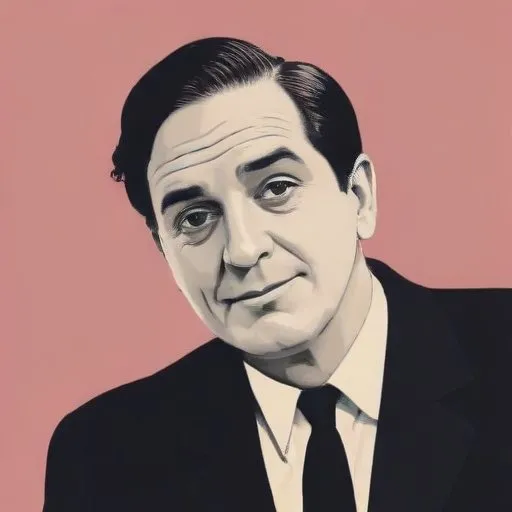
Stanley Holloway: The Beloved English Actor and Comedian
Stanley Holloway was a renowned English actor, comedian, singer, and monologist, best known for his iconic role as Alfred P. Doolittle in the classic musical
My Fair Lady. With a career spanning over seven decades, Holloway's comedic genius and impressive vocal range made him a household name in the entertainment industry.
Early Life and Career
Born on October 1, 1890, in London, England, Holloway initially pursued a career as a clerk before making his stage debut in the early 1900s. During World War I, he served in the infantry and later joined the concert party, The Co-Optimists, in 1921. This marked the beginning of his successful career, which would see him travel from stage to screen, entertaining audiences with his unique blend of humor and talent.
Rise to Fame
The 1930s saw Holloway's popularity soar, with his distinctive voice and comedic skills making him a favorite among audiences. He became a staple in variety, pantomime, and musical comedy, starring in several revues and films. His memorable monologues, including "Sam Small" and "Albert Ramsbottom," became an integral part of British popular culture, further cementing his status as a national treasure.
Wartime Contributions
During World War II, Holloway used his talents to support the war effort, creating propaganda films for the British Film Institute and Path News. He also appeared in a series of films, including
Major Barbara,
The Way Ahead,
This Happy Breed, and
The Way to the Stars.
Post-War Success
In the decades following the war, Holloway continued to thrive, starring in the film
Brief Encounter and making a series of films for Ealing Studios, including
Passport to Pimlico,
The Lavender Hill Mob, and
The Titfield Thunderbolt. His crowning achievement, however, was his iconic portrayal of Alfred P. Doolittle in
My Fair Lady, which earned him international acclaim and a Tony Award nomination for Best Featured Actor.
Awards and Honors
Throughout his illustrious career, Holloway received numerous awards and accolades, including:
- Nomination for Tony Award for Best Featured Actor for My Fair Lady (1956)
- Appointed an Officer of the Order of the British Empire (OBE) in 1960
- Won a BAFTA Award for Best British Actor for The Lavender Hill Mob (1951)
Legacy
Stanley Holloway's impact on the entertainment industry is immeasurable. His unique blend of humor, talent, and charisma has inspired generations of actors, comedians, and musicians. As a true legend of British entertainment, Holloway's legacy continues to bring joy and laughter to audiences around the world.
Stanley Holloway passed away on January 30, 1982, but his remarkable life and career remain an inspiration to all who seek to entertain and bring people together through the power of comedy and performance.
FAQ
What is Stanley Holloways most famous film role?
Stanley Holloway is perhaps best known for his iconic role as Alfred P. Doolittle in the 1964 film My Fair Lady, for which he won an Academy Award for Best Supporting Actor.
What was Stanley Holloways background in music hall?
Stanley Holloway came from a long line of music hall performers and began his career on the stage, performing in various music halls and theaters in London. He developed a unique style of comedy and storytelling that endeared him to audiences.
What is Stanley Holloways connection to Noel Coward?
Stanley Holloway and Noel Coward were close friends and collaborators. Holloway appeared in many of Cowards plays and films, and Coward often wrote roles specifically for him.
How did Stanley Holloways career evolve over time?
Stanley Holloways career spanned over six decades, during which he transitioned from music hall to film, television, and radio. He remained a beloved figure in British entertainment until his death in 1982.
What is Stanley Holloways legacy in British comedy?
Stanley Holloway is remembered as one of the greatest comedians of his generation, known for his unique wit, charm, and timing. He influenced generations of British comedians and remains a beloved figure in British entertainment history.