


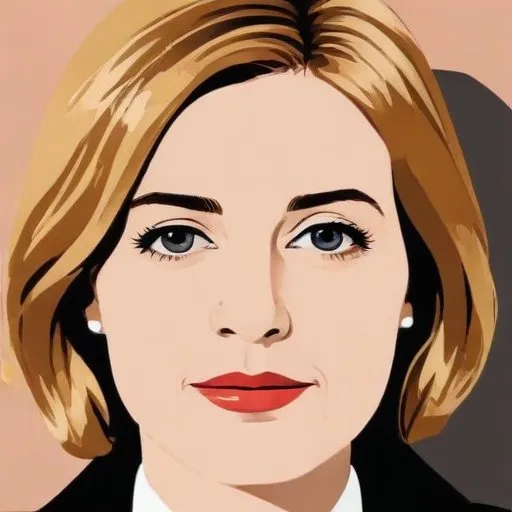
A renowned journalist and author, best known for her humorous and satirical novels, particularly "Cold Comfort Farm", which gently mocks rural life in England.
Stella Gibbons is renowned for her debut novel, Cold Comfort Farm, a satire that hilariously dismantles the clichés of rural-themed novels popular in the late 1920s. Published in 1932, this iconic work cemented Gibbons' reputation as a masterful wordsmith, earning her a permanent place in the annals of English literature.
Born on January 5, 1902, Stella Dorothea Gibbons was the daughter of a London doctor. Her childhood was marked by turbulence and unhappiness, which would later influence her writing. After an unremarkable school career, Gibbons trained as a journalist, working as a reporter and features writer for the Evening Standard and The Lady.
Gibbons' first book, a collection of poems, was published in 1930 to critical acclaim. Although she considered herself primarily a poet, her novelistic endeavors would soon overshadow her poetic pursuits.
Cold Comfort Farm, her breakthrough novel, remains her most celebrated work. The book's satirical take on rural life, infused with humor and wit, resonated with readers and critics alike.
Following the success of Cold Comfort Farm, Gibbons wrote 22 more novels, none of which achieved the same level of critical or popular acclaim. Despite this, her writing continued to showcase her exceptional descriptive skills, charm, and barbed humor.
In 1950, Gibbons was elected a Fellow of the Royal Society of Literature, a testament to her contributions to English literature.
Stella Gibbons' writing style has drawn comparisons to Jane Austen, with her unique blend of humor, satire, and poignant observations of middle-class suburban life. Despite her significant literary output, Gibbons is often regarded as a "one-work novelist," with Cold Comfort Farm dominating her career and public perception.
Gibbons grew increasingly frustrated with her identification with Cold Comfort Farm, feeling that it overshadowed the rest of her literary achievements. She passed away on December 19, 1989, leaving behind a body of work that, although not widely recognized during her lifetime, has experienced a modest revival in the 21st century.
Through her writing, Gibbons critiqued the romanticization of rural life and the publishing industry's tendency to categorize authors. Her work also explored the complexities of middle-class suburban life, offering a nuanced and humorous portrayal of its characters and their experiences.
Gibbons' family originated from Ireland, and her grandfather, Charles Preston Gibbons, was a civil engineer who worked on bridge-building projects in South Africa.
Despite her literary success, Gibbons never sought to be part of the literary world, preferring to maintain a degree of detachment.
Born in 1904
Witty and insightful writer of novels and essays that satirize the British aristocracy, particularly in her iconic novel "The Pursuit of Love".
Born in 1903
A renowned English writer, known for his witty satires and novels of manners, particularly "Brideshead Revisited", which explores the British aristocracy's decline.
Born in 1894
Author of dystopian classics like Brave New World, exploring the consequences of technological advancements on humanity. Known for prophetic warnings about government control and manipulation.
Born in 1903
A renowned writer of dystopian classics, such as "1984" and "Animal Farm", who warned of totalitarianism's dangers through allegorical fiction.
Born in 1892
A pioneering journalist and author who wrote extensively on politics, literature, and feminism, producing influential works that continue to shape modern thought.
Born in 1881
A celebrated children's author and playwright, best known for her whimsical and imaginative stories, including the iconic "Catsuit" and the beloved hymn "Morning Has Broken".
Born in 1892
A renowned author, poet, and gardener, celebrated for her lyrical writings and innovative gardening style, which continues to inspire literary and horticultural enthusiasts alike.
Born in 1893
A renowned author of detective fiction, particularly the Lord Peter Wimsey series, and a translator of Dante's Divine Comedy.
