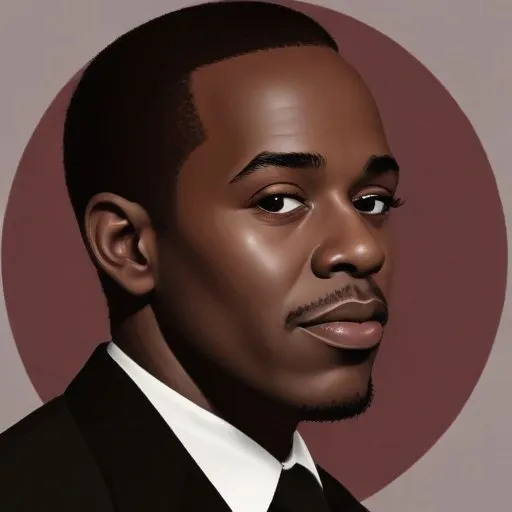
Sterling Allen Brown: The Poetic Voice of the African American Experience
A Legendary Professor, Folklorist, and Literary Critic
Sterling Allen Brown, born on May 1, 1901, was a stalwart champion of African American culture, known for his profound contributions to literature, poetry, and education. As a professor at Howard University, he spent most of his career studying and celebrating the rich cultural heritage of the Southern United States, earning him the esteemed title of the first Poet Laureate of the District of Columbia.
Early Life and Education: A Family of Scholars
Born on the campus of Howard University, Brown's early life was deeply rooted in academia. His father, Sterling N. Brown, a former slave, was a prominent minister and professor at Howard University Divinity School, while his mother, Grace Adelaide Brown, was a distinguished educator who taught in D.C. public schools for over 50 years. Brown's parents, both from Tennessee, would regale him with stories of notable leaders like Frederick Douglass and
Booker T. Washington, instilling in him a deep sense of pride and purpose.
Arcadian Childhood and Early Academic Pursuits
Brown's childhood was spent on a picturesque farm in Howard County, Maryland, where he developed a deep connection with nature. He attended Waterford Oaks Elementary and Dunbar High School, graduating as the top student. A scholarship to Williams College in Massachusetts beckoned, and he graduated Phi Beta Kappa in 1922. Brown then pursued his master's degree in English at Harvard University, earning it in 1923.
A Career Marked by Excellence and Advocacy
Brown's academic career was a testament to his dedication to the African American experience. He began as an English lecturer at Virginia Theological Seminary and College in Lynchburg, Virginia, before joining Howard University, where he spent most of his career. His literary prowess earned him numerous honors, including the Graves Prize for his essay "The Comic Spirit in Shakespeare and Moliere" during his senior year at Williams.
Poetic Legacy: Capturing the Essence of Black Culture
Brown's poetry is a masterful blend of folk culture, history, and personal narrative. His works, such as "The Negro in American Literature" and "The Last Ride of Wild Bill," are iconic representations of the African American experience. As a folklorist, he celebrated the rich oral traditions of the South, preserving the stories and songs of the everyday people.
Personal Life: Marriage, Family, and Inspiration
In 1927, Brown married Daisy Turnbull, and they adopted a son, Johnathon L. Dennis. Daisy was an occasional muse for Brown, inspiring poems like "Long Track Blues" and "Against That Day."
Awards and Honors: A Lifetime of Recognition
Throughout his career, Brown received numerous honorary doctorates from various colleges. He was also awarded the prestigious Poet Laureate of the District of Columbia, a testament to his enduring impact on American literature.
Legacy: A Champion of African American Culture
Sterling Allen Brown's life was a testament to his unwavering commitment to preserving and celebrating African American culture. As a professor, folklorist, poet, and literary critic, he left an indelible mark on the literary landscape. His legacy continues to inspire generations, reminding us of the power of words to shape our understanding of ourselves and our world.
FAQ
What was Sterling Allen Browns contribution to African American literature?
Sterling Allen Brown was a prominent African American poet, academic, and critic who made significant contributions to the development of African American literature. He was known for his powerful poetry, which explored themes of racial identity, social justice, and the African American experience.
What was Sterling Allen Browns role in the Harlem Renaissance?
Sterling Allen Brown was a key figure in the Harlem Renaissance, a cultural and literary movement that emerged in the 1920s. He was friends with Langston Hughes and other prominent African American writers, and his poetry reflected the spirit of the Renaissance.
What was Sterling Allen Browns teaching career?
Sterling Allen Brown had a long and distinguished teaching career, during which he taught at several prominent universities, including Howard University and Vassar College. He was known for his inspiring teaching style and his commitment to promoting African American literature and culture.
What were Sterling Allen Browns later writings?
In his later years, Sterling Allen Brown continued to write poetry and criticism. He published several collections of poetry, including Southern Road and Negro Poetry and Drama, which cemented his reputation as a major figure in African American literature.
What was Sterling Allen Browns legacy in African American literature?
Sterling Allen Browns legacy in African American literature is that of a powerful and innovative poet, critic, and teacher who helped to shape the course of African American literary history. He is remembered for his contributions to the Harlem Renaissance, his inspiring teaching, and his enduring poetry.